
Dar es Salaam (DAR) is almost always the cheapest international airport to fly into Tanzania, typically pricing out at $150 to $400 lower per round-trip ticket than flights into Kilimanjaro (JRO) or Zanzibar (ZNZ) from North America, Europe, and Asia. However, choosing Dar es Salaam purely on base ticket cost only saves money if your final destination is the southern coast or if you plan to travel overland; once you add domestic flights ($60 to $180 per leg), regional airport transfers, transit hotel nights, and luggage surcharge fees, booking directly into Kilimanjaro or Zanzibar often results in a lower total expenditure and saves up to two full days of travel time.
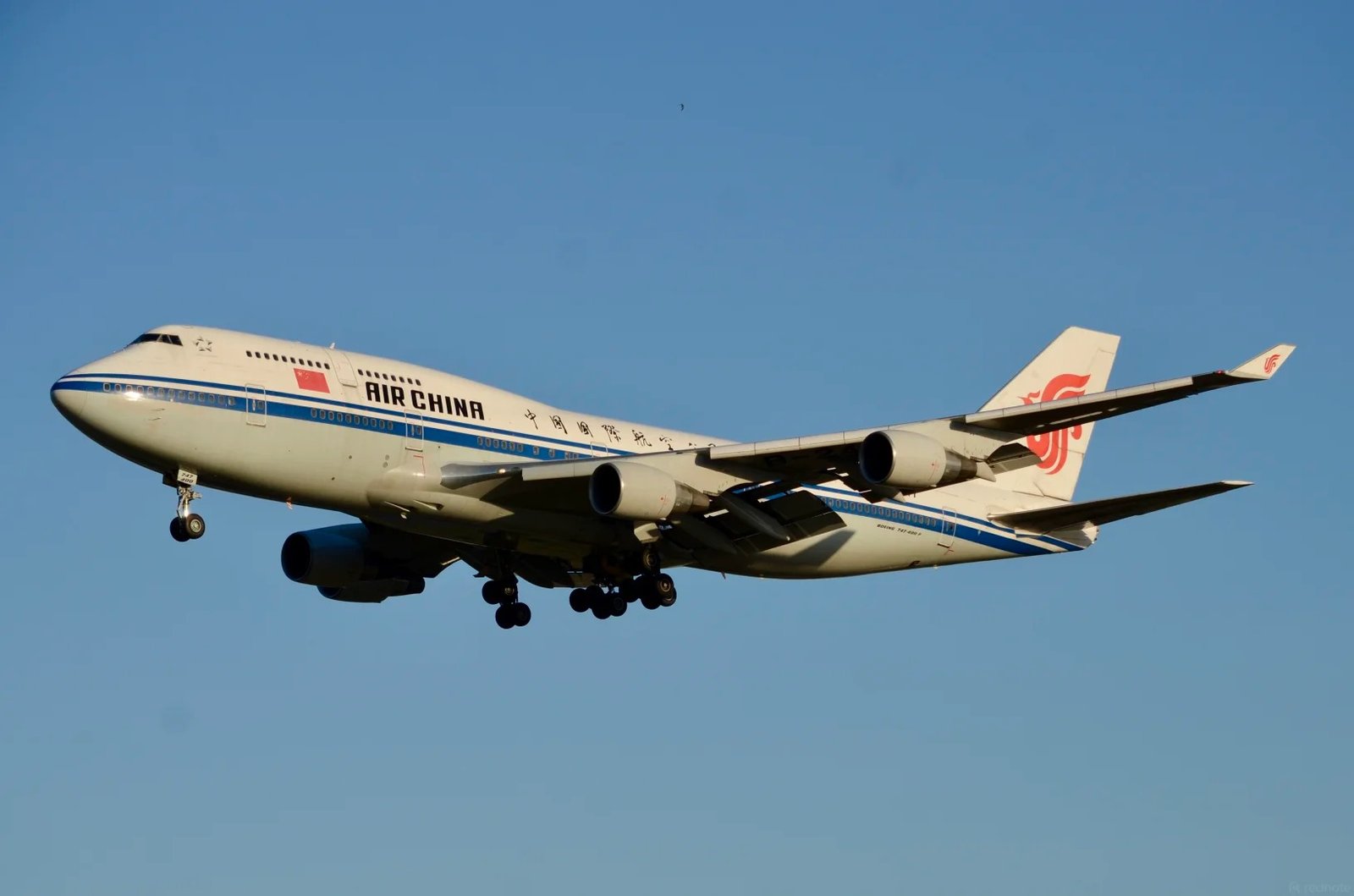
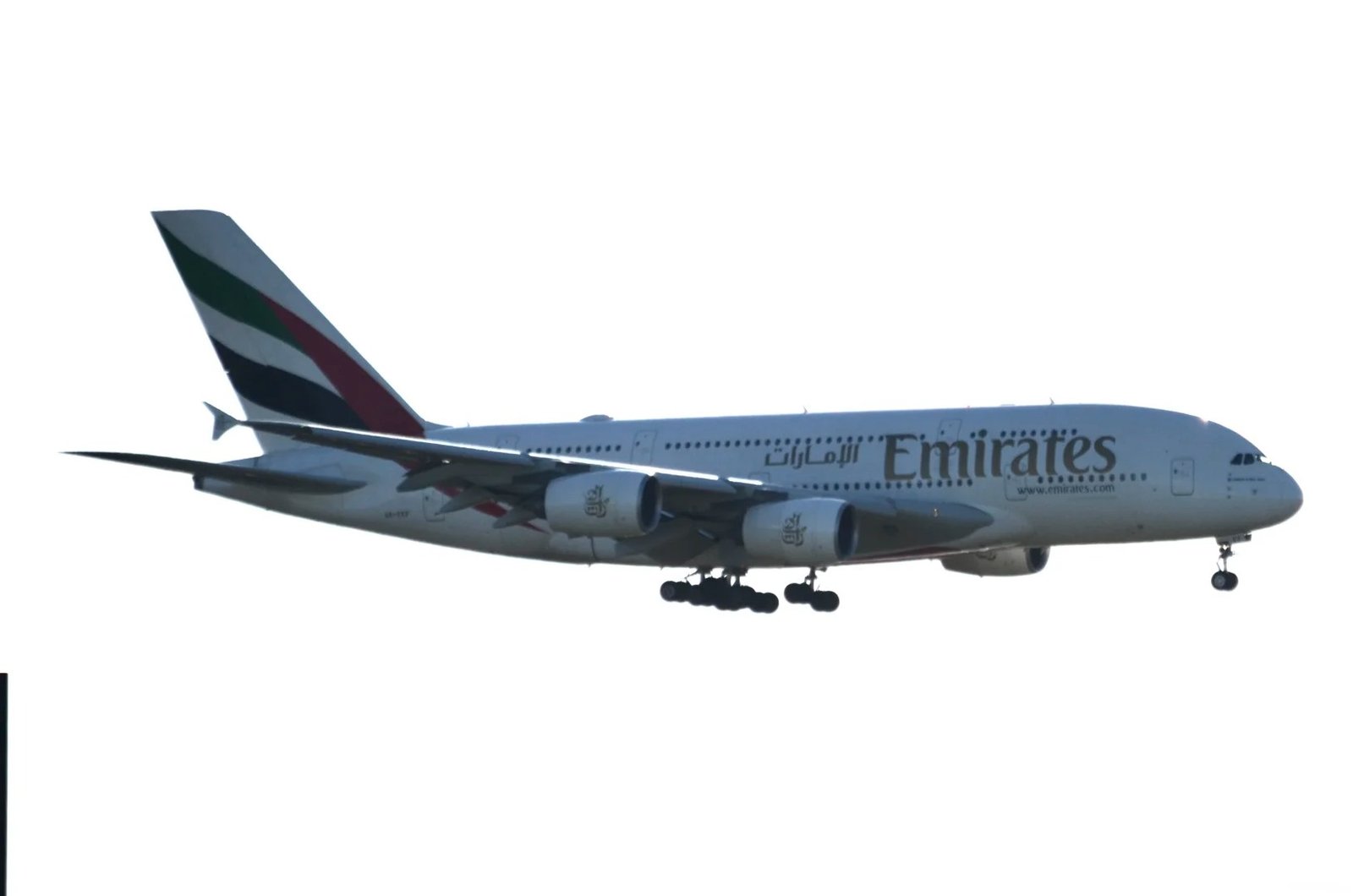
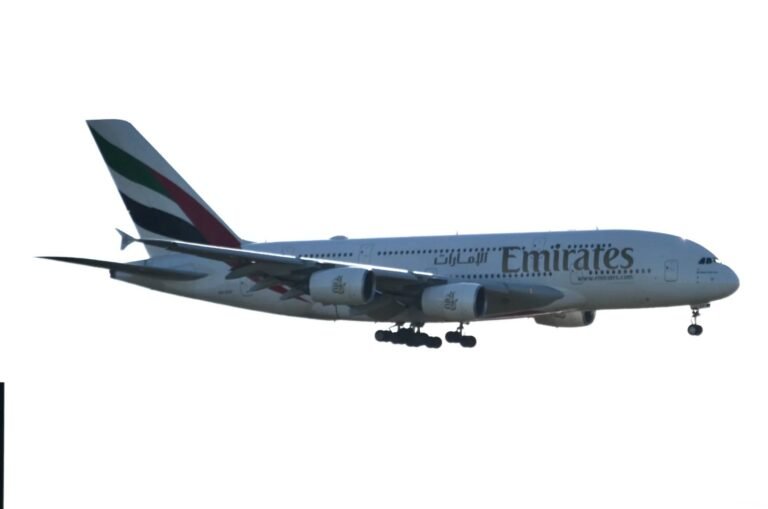
When planning a holiday to East Africa for 2026-2027, international flight pricing is frequently the single largest line item in your initial budget. Travelers frequently search aggregator sites and notice that Julius Nyerere International Airport in Dar es Salaam displays noticeably lower sticker prices than Kilimanjaro International Airport in the north or Abeid Amani Karume International Airport on the spice island of Zanzibar. The natural impulse is to book the cheapest flight to Tanzania and sort out internal logistics later. In practice, our operations team in Moshi and Arusha routinely watches travelers spend substantially more money and time fixing a poorly routed flight than they saved on the original ticket.
Deciding between DAR, JRO, and ZNZ requires looking beyond base airline ticket engines. You must factor in airline route networks, peak seasonality, internal bush and commuter flights, ferry connections, checked baggage weight restrictions on domestic planes, and how your itinerary is sequenced on the ground.
Direct Airfare Price Comparison: DAR vs JRO vs ZNZ
To evaluate which arrival airport yields the lowest out-of-pocket cost, you must compare equivalent routing tiers. Ticket prices fluctuate across high season (July through October, and late December through January) and low season (March through May, and November), but the relative pricing spread across the three international gateways remains remarkably stable.
The table below outlines typical economy return fares across major intercontinental routes for 2026-2027 travel planning based on mid-season bookings placed three to six months in advance.
| Departure Region | Dar es Salaam (DAR) | Kilimanjaro (JRO) | Zanzibar (ZNZ) | Typical Spread Difference |
|---|---|---|---|---|
| Western Europe (London, Amsterdam, Frankfurt, Paris) | $650 – $950 | $850 – $1,250 | $750 – $1,150 | DAR is $150–$300 cheaper; ZNZ often matches DAR on leisure charters |
| North America East Coast (JFK, IAD, ATL, BOS) | $950 – $1,400 | $1,200 – $1,750 | $1,150 – $1,650 | DAR is $200–$350 cheaper than JRO |
| North America West Coast (LAX, SFO, SEA) | $1,150 – $1,650 | $1,400 – $1,950 | $1,350 – $1,850 | DAR saves $250–$300 upfront |
| Middle East Hubs (Dubai, Doha, Muscat, Istanbul) | $400 – $650 | $600 – $900 | $450 – $750 | ZNZ and DAR compete closely; JRO carries higher carrier fees |
| South Africa & Southern Africa (JNB, CPT) | $350 – $550 | $550 – $800 | $400 – $650 | DAR has multiple non-stop flights daily; JRO requires connections |
On raw headline ticket numbers, Dar es Salaam establishes a consistent lead. If you evaluate your flight decision strictly through an airfare search aggregate without considering what happens after you clear customs, DAR wins the price battle every single time. For deeper regional airline choices, read our full guide on How Much Are Flights To Tanzania? International Airfare Prices 2026-2027.
Aviation Economics: Why Dar es Salaam Almost Always Costs Less
The price difference between these three Tanzanian entry points is not arbitrary. It is rooted in commercial cargo demand, passenger volume dynamics, airline alliances, and government airport taxation policies.
1. Cargo Revenue and Belly Freight: Julius Nyerere International Airport (DAR) serves as the economic hub of Tanzania. Wide-body long-haul passenger jets operated by Qatar Airways, Emirates, Turkish Airlines, and KLM transport massive commercial belly cargo into and out of Dar es Salaam daily. This air-cargo freight offsets the operating cost of the flight, allowing passenger airlines to offer lower economy ticket yields. Kilimanjaro (JRO) and Zanzibar (ZNZ), by contrast, generate comparatively minor cargo revenue; passenger seat sales alone must bear virtually the entire operating cost of the rotation.
2. Passenger Volume and Commercial Competition: DAR handles millions of passengers each year across business travel, government missions, commercial shipping personnel, visiting relatives, and tourism. Major regional carriers such as Ethiopian Airlines, Kenya Airways, EgyptAir, and South African Airways compete directly against the Gulf carriers for traffic into DAR. When multiple airline alliances (Star Alliance, SkyTeam, Oneworld) fly identical routes, price competition compresses airfares. At JRO, fewer carriers operate wide-body passenger services, meaning ticket inventory during peak safari trekking months remains tight, keeping fares high.
3. Seasonality and Fleet Utilization: Flights to Kilimanjaro and Zanzibar reflect intense seasonal tourist swings. Peak travel hits between July and September, followed by another spike around the Christmas and New Year window. Outside of these months, tourist loads drop significantly. Airlines serving JRO and ZNZ price their peak tickets high to offset thinner load factors during the April-May wet season. In Dar es Salaam, corporate and diplomatic movement sustains stable, year-round load factors that keep standard ticket classes accessible even during seasonal peak months.
The Hidden Transit Tax: Calculating Real-World Connection Costs
While landing in Dar es Salaam saves money at checkout on a flight booking site, it frequently introduces substantial secondary expenses that dissolve those initial savings. Travelers planning to climb Kilimanjaro, join a Northern Circuit safari, or spend a week on Zanzibar beaches must calculate the cost of bridging the geographic gap from the commercial capital.
Consider the practical logistical expenses required when landing in Dar es Salaam with an itinerary based elsewhere in Tanzania:
Mandatory Expenses to Move Between Hubs
- Domestic Flight (DAR to JRO or ARK): Precision Air, Air Tanzania, or Auric Air charge between $65 and $160 each way per traveler, depending on how early the seat is booked and current fuel surcharges.
- Checked Baggage Surcharges: International tickets usually permit two 23 kg (50 lb) bags. Domestic turboprop flights often cap checked luggage at 15 kg to 20 kg total. Excess baggage fees routinely run $3 to $5 per extra kilogram, adding another $30 to $60 per bag if you are carrying heavy trekking gear.
- Transit Taxi & Transfer Costs: If your domestic flight leaves from a different terminal or requires staying overnight in Dar es Salaam, airport taxis between Terminal 3 (International) and the city center or local accommodations run $25 to $40 per vehicle each direction.
- Transit Accommodation: Due to late-night long-haul flight arrivals from Europe or the Gulf (frequently landing past 22:00 or 01:00), you will almost always require a hotel night in Dar es Salaam before catching morning internal flights. A clean, secure hotel room near the airport or in the central business district ranges from $60 to $130 per room night.
- Dar to Zanzibar Ferry Alternative: If you are traveling from DAR to Zanzibar, the Azam Marine coastal ferry costs $35 for Economy and $40 for VIP one way. However, you must add $25 to $35 for a taxi through Dar es Salaam’s notorious traffic to reach the ferry port from the airport, plus another taxi on arrival at the Stone Town ferry terminal.
If you save $200 on an international ticket to DAR but spend $110 on a one-way domestic flight to Kilimanjaro, $30 in excess baggage, $30 on airport transfers, and $75 on a transit hotel, you have spent $245 to save $200. Beyond the net financial loss, you spend half a day dealing with security queues, baggage re-checks, and city traffic instead of resting at your lodge in Arusha or acclimatizing on the lower slopes of the mountain.
Travelers evaluating internal routing options should cross-reference our analysis on The Best Airport To Fly Into Tanzania For Safari, Kilimanjaro & Zanzibar to avoid unnecessary transit traps.
When Flying Straight into Kilimanjaro (JRO) Actually Saves You Money
Kilimanjaro International Airport (JRO) is located strategically between Arusha and Moshi. It exists primarily to feed travelers into the northern trekking circuits (Mount Kilimanjaro, Mount Meru) and premier wildlife conservation areas (Serengeti National Park, Ngorongoro Crater, Lake Manyara, and Tarangire).
While base international fares directly into JRO run roughly $200 higher on average than into DAR, booking directly into JRO becomes the cheaper overall choice under specific, common holiday profiles:
1. Dedicated Mountain Climbing Treks: If you are flying to Tanzania specifically to climb Mount Kilimanjaro or Mount Meru, landing at JRO eliminates all domestic flight risks. Our mountain guides meet you directly at the arrivals hall and transfer you 45 minutes along tarmac roads to your base hotel in Moshi. You avoid the real risk of domestic airlines misplacing your luggage—an event that can ruin a scheduled trek if your technical cold-weather gear fails to connect through a separate domestic carrier in Dar es Salaam. The time savings alone ensures an extra day of vital physical rest before starting your route.
2. Tight Safari Schedules (5 to 8 Days): When your vacation time is limited to a one-week or 10-day window, spending an entire travel day negotiating Dar es Salaam transfers represents a wasted vacation day. Calculating the “cost per conscious vacation hour,” wasting 12 to 24 hours in urban transit burns far more real value than the modest price gap between flights. Furthermore, you can review details on how to Start A Tanzania Safari Directly From Kilimanjaro Airport to begin your wildlife drives within hours of touchdown.
3. Heavy Expedition Baggage: Mountain climbs require warm layers, waterproof duffels, heavy trekking boots, and specialized sleeping gear. When flying international carriers straight into JRO, your two standard checked luggage allowances are honored all the way to your final arrival gate. Bypassing domestic turboprops entirely saves $60 to $120 per person in baggage weight overage fees.
Check Availability for Flights To Dar Es Salaam Vs Kilimanjaro Vs Zanzibar: Which Is Cheaper?
Ready to compare dates, prices, and the best option for your group? Send the package name and travel month so the team can reply with a clear quote, availability, and what is included.
Best Airport To Fly Into Tanzania For Safari, Kilimanjaro & Zanzibar 2026-2027
Best Airport to Fly Into Tanzania for Safari, Kilimanjaro & Zanzibar is explained with current 2026-2027 planning, price, itinerary and booking information.
View package details
Best Flights To Tanzania For Safari And Zanzibar Holidays 2026-2027
Best Flights to Tanzania for Safari and Zanzibar Holidays is explained with current 2026-2027 planning, price, itinerary and booking information.
View package details
Two Day Mikumi Safari From Zanzibar With Flights And Accommodation 2026-2027
Two Day Mikumi Safari from Zanzibar with Flights and Accommodation is explained with current 2026-2027 planning, price, itinerary and booking information.
View package detailsSafari Tours From Zanzibar With Hotel Pickup And Return Flights 2026-2027
Safari Tours from Zanzibar with Hotel Pickup and Return Flights is explained with current 2026-2027 planning, price, itinerary and booking information.
View package details
3 Day Serengeti Safari From Zanzibar With Return Flights 2026-2027
3 Day Serengeti Safari from Zanzibar with Return Flights is explained with current 2026-2027 planning, price, itinerary and booking information.
View package details
Best 1 Day Tanzania Safari Tours From Zanzibar With Flights 2026-2027
Best 1 Day Tanzania Safari Tours from Zanzibar with Flights is explained with current 2026-2027 planning, price, itinerary and booking information.
View package details
Tanzania Safari Tours From Moshi Ending At Zanzibar Airport 2026-2027
Tanzania Safari Tours from Moshi Ending at Zanzibar Airport is explained with current 2026-2027 planning, price, itinerary and booking information.
View package details
Best Short Tanzania Safari Packages During A Zanzibar Holiday 2026-2027
Best Short Tanzania Safari Packages During a Zanzibar Holiday is explained with current 2026-2027 planning, price, itinerary and booking information.
View package details
Tanzania Fly-In Safari Packages From Zanzibar For Families 2026-2027
Tanzania Fly-In Safari Packages from Zanzibar for Families is explained with current 2026-2027 planning, price, itinerary and booking information.
View package details
Zanzibar To Serengeti Safari For Couples With Private Accommodation 2026-2027
Zanzibar to Serengeti Safari for Couples with Private Accommodation is explained with current 2026-2027 planning, price, itinerary and booking information.
View package details
Best Wildlife Safari Add-Ons For Zanzibar Beach Holidays 2026-2027
Best Wildlife Safari Add-Ons for Zanzibar Beach Holidays is explained with current 2026-2027 planning, price, itinerary and booking information.
View package details
Zanzibar Safari Tours With All Transfers And Park Fees Included 2026-2027
Zanzibar Safari Tours with All Transfers and Park Fees Included is explained with current 2026-2027 planning, price, itinerary and booking information.
View package detailsNo closely related package is available yet for this topic.

Our Guest Reviews, Currently Feedback from Clients in 2026
Reviews from different sources, including Google Business, Tripadvisor, other platforms, and social media.