
Tanzania safari packages with family rooms and private bathrooms offer multi-bedroom tents, interconnected chalets, and dedicated en-suite facilities designed specifically for parents traveling with children across the Northern Circuit. For 2026-2027, these private family packages range from $450 to $850 per adult per day for comfortable mid-range lodges and $950 to $1,800+ per adult per day for luxury tented suites, with child rates (ages 5–15) generally discounted by 30% to 50% when sharing room units. The core routing pairs Tarangire National Park, Lake Manyara, the Ngorongoro Crater, and Central or Northern Serengeti, using exclusive custom 4×4 Land Cruisers driven by licensed local guides who adjust daily wildlife tracking to the physical stamina and bathroom rhythms of your children.
What Qualifies as a Genuine Safari Family Room with Private Bathroom?
Booking a safari as a family introduces logistics that solo travelers and couples rarely face. In safari industry sales brochures, the term “family accommodation” is often loosely applied to any standard double room where a camp manager can squeeze two wobbly folding rollaway beds between a double bed and the canvas wall. For parents traveling with young children or teenagers, that arrangement quickly leads to luggage clutter, zero parental privacy, and severe bottlenecks around a single washbasin before 06:00 sunrise game drives.
A genuine family safari package secures units built deliberately for multi-generational groups. In Tanzania’s bush camps and permanent safari lodges, this architectural footprint takes two standard forms: two stand-alone canvas tents connected by an enclosed private wooden gangway or zippered corridor, or a permanent stone-and-thatch cottage with two distinct bedrooms separated by a central shared lounge or separate access hallways. Crucially, each sleeping wing or bedroom contains its own private, en-suite bathroom with a plumbed flush toilet, twin stone or copper vanity basins, and a pressurized hot shower.
Private facilities are not merely a comfort consideration; they are a fundamental safety issue in unfenced national parks. When sleeping inside Tarangire luxury tented camps with private bathrooms or anywhere on the Serengeti plains, wildlife moves freely between guest tents. Buffalo, elephants, hyenas, and leopards routinely graze or walk past guest verandas after dusk. Having private en-suite bathrooms inside the secure canvas or solid walls eliminates the hazard of stepping outside at 02:00 to use shared ablution blocks or navigating poorly lit pathways through animal territory.
Field Tip for Parents: Always verify whether a camp’s “family tent” utilizes a shared single bathroom or dual en-suite bathrooms. For families with children over ten years old, having two separate en-suite bathrooms cuts morning departure preparation times in half and avoids sleep disruptions caused by late-night bathroom visits.
Beyond the structural walls, a proper family safari package in Tanzania integrates private logistics on the road. Rather than placing a family into a shared game-drive vehicle with independent photographers who demand quiet four-hour vigils at a single lion pride, family operators dedicate an exclusive custom-built 4×4 vehicle to the group. As detailed in our analysis of safari packages with guaranteed private vehicle options, an exclusive vehicle grants parents complete control over when to take meal stops, when to return to the lodge pool, and how frequently to take comfort breaks.
Cost Breakdown and Pricing Logic for 2026-2027 Family Safari Packages
Understanding how safari operators structure pricing for family rooms prevents unexpected surprises on the final invoice. Safari pricing differs fundamentally from standard city hotel billing. In Tanzania, lodging rates operate on a per-person, full-board or game-package basis rather than a simple flat room fee, combined with government-mandated conservation tariffs, vehicle permits, and regional concession fees.
To estimate budgets accurately for the 2026-2027 travel seasons, families must consider several operational cost layers:
- Park Conservation and Concession Fees: The Tanzania National Parks Authority (TANAPA) and the Ngorongoro Conservation Area Authority charge daily entry and concession fees per person per 24-hour cycle. Children aged 5 to 15 pay substantially reduced government fees (typically 60% lower than adult rates), while toddlers under age five enter free.
- Family Room Minimum Occupancy Rules: Because a two-bedroom family tent takes up the physical footprint and staff resources of two distinct guest rooms, lodges enforce a pricing floor. Most camps bill family units based on a minimum of three full-paying adults, even if occupied by two adults and two small children. Other properties offer generous child discounts of 30% to 50% off the adult sharing rate, provided the children occupy the secondary bedroom within the family unit.
- Private Safari Vehicle and Guide Surcharges: A private, pop-top 4×4 Land Cruiser with unlimited mileage inside park boundaries costs between $280 and $400 per day for the entire vehicle, inclusive of the licensed guide-driver’s daily rate, fuel, vehicle entry permits, and taxes. When divided across a family of four or five, the per-person vehicle cost becomes significantly more economical than paying multiple solo or couple seat rates on group-joining tours.
For a detailed breakdown of total group outlays, read our complete guide on how much a Tanzania safari costs for a family of four. Below is an authentic seasonal cost projection for 2026-2027, based on a family of four (two adults and two children aged 6 to 14) traveling on a private Northern Circuit safari with private family suites and en-suite bathrooms.
| Package Tier | Estimated Adult Rate (Per Day) | Estimated Child Rate (Ages 5–15) | Room & Bathroom Standard | Best Suited For |
|---|---|---|---|---|
| Mid-Range Comfort | $450 – $650 | $250 – $380 | Interconnected canvas tents or solid family bandas; permanent flush toilets, 24/7 solar hot water, private en-suite shower. | Families seeking authentic wildlife immersion, comfortable bedding, swimming pools, and balanced travel budgets. |
| Upper Mid-Range / Premium | $700 – $950 | $390 – $550 | Large 2-bedroom permanent cottages or luxury walk-in tents; dual en-suite bathrooms, double vanities, bathtubs, private decks. | Families requiring extra physical space, two full bathrooms, elevated dining menus, and closer park proximity. |
| Luxury & Concession Lodges | $1,100 – $2,200+ | $600 – $1,200+ | Exclusive luxury family villas or master tented suites; plunge pools, outdoor showers, dedicated private butler, air conditioning. | Families seeking unmatched privacy, flexible wilderness activities, walking safaris for older kids, and five-star service. |
Seasons also heavily dictate pricing. The high season months of July through October and the Christmas-to-New-Year festive window carry top-tier room rates and minimal child discounts. If you travel in the shoulder seasons—specifically January through March (which coincides with the great wildebeest calving in Southern Serengeti) or June—lodges offer reduced rack rates, and operators can secure better family-room value without sacrificing game viewing quality.
The Bush Bathroom Reality: Plumbing, Hot Water, and Nighttime Safety
Parents researching safaris frequently ask what “private bathroom” truly means when living under canvas in remote conservation areas. Misunderstandings about bush plumbing can cause needless anxiety for first-time visitors, or conversely, lead to uncomfortable surprises if expectations are not managed properly.
Across the Northern Circuit’s family properties, en-suite safari bathrooms generally fall into two distinct engineering categories:
1. Permanent Lodge Plumbing
Found in solid-structure properties around Karatu, Manyara, and the rim of Ngorongoro Crater, these bathrooms are identical to luxury hotel facilities anywhere in the world. Water flows from borehole reserves or municipal springs through continuous copper or PVC piping. You have uninterrupted pressurized hot and cold water, ceramic flush toilets, soaking tubs, standard electrical hair-dryer outlets (during generator run times), and glass-walled shower stalls. These lodges are ideal for families with very young children (under age six) who need standard bathtubs or who find the rustic elements of tented camps slightly intimidating.
2. Eco-Luxury Tented Camp Bathrooms (Plumbed or Safari Bucket Systems)
In deep wilderness sections of the Central Serengeti, Seronera, and Tarangire, sustainable eco-camps minimize environmental impact while maintaining high comfort. Modern mid-range and luxury tented family units feature solid wooden floor decking, zippered privacy canvas partitions, and ceramic flush toilets connected to self-contained underground bio-digester septic systems. You are not using chemical chemical camping pans; you are flushing a standard domestic toilet.
Hot water in mobile or seasonal tented camps is supplied in one of two ways:
- Solar-Thermal Tanks with Gas Backups: The camp maintains pressurized hot water generated by solar panels mounted behind each tent, supported by instant propane water heaters on cloudy days. You turn on the shower tap, and hot water flows on demand at any hour.
- Traditional Safari Bucket Showers: In genuine seasonal mobile camps following the Great Migration, some operators use traditional pulley bucket systems. When your family returns from an afternoon drive, staff fill an external 25-liter insulated canvas or stainless steel reservoir with water heated over clean wood or gas fires to exactly 40°C (104°F). The reservoir is raised on an external pulley outside the back of your tent, connected by a sealed valve to an indoor chrome shower rose. You twist the internal tap, and water flows cleanly with great pressure for a brisk, hot shower. While unfamiliar to city travelers, bucket showers deliver dependable hot water, conserve precious wilderness reserves, and children consistently find the ritual memorable.
Our team at Top Guide Adventures explicitly verifies the plumbing and hot water systems of every recommended lodge before booking. If your children are sensitive to nighttime sounds or bucket-shower setups, we steer your routing toward permanent family chalets or solar-pressurized luxury camps where the bathroom routines remain straightforward and familiar.
Interconnected Tents vs Two-Bedroom Family Cottages: Evaluating Room Layouts
When selecting your safari accommodation, room layout directly influences sleep quality, safety, and psychological comfort. The age of your children should be the primary factor in deciding between interconnected canvas structures and permanent family cottages.
The Interconnected Canvas Suite
In luxury tented camps, an interconnected family unit consists of two large canvas sleeping structures erected on a single elevated wooden platform under an expansive makuti thatch roof or heavy weatherproof fly-sheet. The master bedroom features a king-size bed and an en-suite bathroom, while the children’s bedroom offers two twin beds and its own private en-suite bathroom. Between the two rooms sits an enclosed central foyer, canvas breezeway, or zip-together corridor.
Why it works: The internal connection allows parents to check on sleeping children throughout the night without unzipping the main tent door, stepping onto outdoor walkways, or calling for an armed Maasai guard. You enjoy absolute peace of mind knowing the perimeter is completely sealed against wild animals and insects.
The trade-off: Canvas walls do not block sound. If a child wakes up with a cough, or if a hippopotamus is grazing loudly outside your tent fabric, everyone will hear it. Canvas suites are best suited for children aged six and older who can understand camp safety protocols and do not attempt to unzip window flyscreens independently.
Park-by-Park Lodging Analysis: Where Family Suites Work Best
Not all national parks offer the same caliber or volume of family-specific accommodations. A well-designed family itinerary balances driving times with properties positioned near high-density wildlife areas, minimizing road fatigue while ensuring private bathrooms and interconnected suites at every halt.
1. Tarangire National Park: The Essential Family Opener
Tarangire is the undisputed champion for families beginning a Northern Circuit safari. Located just an easy two-hour paved drive from Arusha, it removes the fatigue of long gravel transfers on arrival day. The park’s elephant densities are legendary, providing immediate wildlife excitement for children within twenty minutes of clearing the entrance gate.
For family accommodation, Tarangire excels in comfortable permanent lodges and luxury tented suites positioned just outside the boundary or deep inside the park along the Tarangire River. Lodges here often include fenced perimeters around central restaurant areas, swimming pools where kids can burn off morning energy, and multi-room cottages with private stone bathrooms. Selecting accommodation with swimming facilities in Tarangire is critical; daytime temperatures are warm, and an afternoon swim between game drives keeps younger travelers refreshed.
For families that prefer shorter daily drives, exploring a family-friendly safari with short driving distances allows you to split two nights in Tarangire before venturing deeper toward the Rift Valley.
2. Lake Manyara and the Karatu Escarpment
Situated between Tarangire and the Ngorongoro Conservation Area, the town of Karatu and the red-cliffed shores of Lake Manyara offer the highest concentration of solid-structure family cottages in northern Tanzania. Rather than mobile tents, Karatu features lush agricultural coffee estates transformed into boutique lodges with landscaped gardens, brick-and-mortar family chalets, extensive swimming pools, and dual-sink en-suite bathrooms.
Staying in Karatu serves an indispensable tactical purpose: it avoids the cold, wet, high-altitude microclimates on the Ngorongoro Crater rim while positioning your family only 30 minutes from the crater gate for early morning descents. The solid-wall construction provides superior soundproofing, ensuring children sleep soundly without nervousness about nocturnal animal noises.
3. Ngorongoro Crater: Rim Lodges vs. Lower Escarpment Bases
The Ngorongoro Crater is a non-negotiable highlight, offering near-guaranteed sightings of black rhinos, lions, flamingos, and massive bull elephants within a single six-hour drive on the crater floor. However, choosing family lodging here requires strategic care.
Properties directly perched on the Crater rim sit at an elevation of 2,300 meters (7,500 feet). Temperatures plunge rapidly after sunset, dense fog frequently rolls across the viewpoints, and many historic rim lodges feature older, compact rooms where squeezing extra beds is cramped and drafts are common. Solid luxury properties on the rim do feature exquisite heated stone suites with enclosed fireplaces and magnificent en-suite bathtubs, but at premium price tiers.
For mid-range budgets, staying at an interconnected family cottage in Karatu at 1,500 meters elevation offers far warmer evenings, expansive gardens for children to stretch their legs, lower nightly costs, and fully modern en-suite plumbing. Your private guide picks you up at 06:00, and you arrive at the crater descent road precisely as wildlife activity peaks.
Family Room Booking Checklist: What to Verify Before Paying
- True Interconnection: Confirm in writing whether the family unit has an internal connecting door or zip corridor, rather than two adjacent tents separated by 20 feet of open terrain.
- Number of Bathrooms: Verify if the unit has two distinct en-suite bathrooms or a single shared bathroom between both bedrooms.
- Power Availability: Check if electricity operates 24/7 or runs on fixed generator cycles (crucial for charging children’s tablets, sound machines, or medical devices overnight).
- Pool Facilities: Confirm if the camp has an active, filtered swimming pool for midday breaks between drives.
- Minimum Age Policies: Several camps enforce minimum age restrictions (often age 6 or 8 for safety in unfenced predator habitats).
The Scarcity Trap: Securing Limited Family Units 8 to 12 Months Out
The single greatest operational challenge facing families planning a Tanzania safari is simple arithmetic: inventory scarcity. In any typical safari camp consisting of 12 to 16 luxury guest tents, management almost always builds only one or two dedicated family units.
While an operator can easily accommodate a couple requesting a double tent four months prior to arrival, family suites for peak seasons (July, August, October, and Christmas/New Year 2026-2027) consistently sell out 8 to 12 months in advance. When parents wait until late spring to organize an August departure, they are invariably forced into awkward compromises: splitting parents across two separated, full-priced standard double tents, staying at sub-optimal lodges far outside park entry points, or paying steep single-supplement fees to place children in separate units with private night watchmen stationed outside.
To secure authentic family chalets with dual private en-suite bathrooms and private 4×4 vehicles at sensible prices, initiating your itinerary planning early is essential. Coordinating with a local specialist operator based on the ground in Moshi and Arusha, such as Top Guide Adventures, ensures direct access to live camp availability charts, real-time hold allocations, and expert advice on which rooms truly match your family’s safety and spatial needs.
Check Availability for Tanzania Safari Packages With Family Rooms And Private Bathrooms 2026-2027
Ready to compare dates, prices, and the best option for your group? Send the package name and travel month so the team can reply with a clear quote, availability, and what is included.
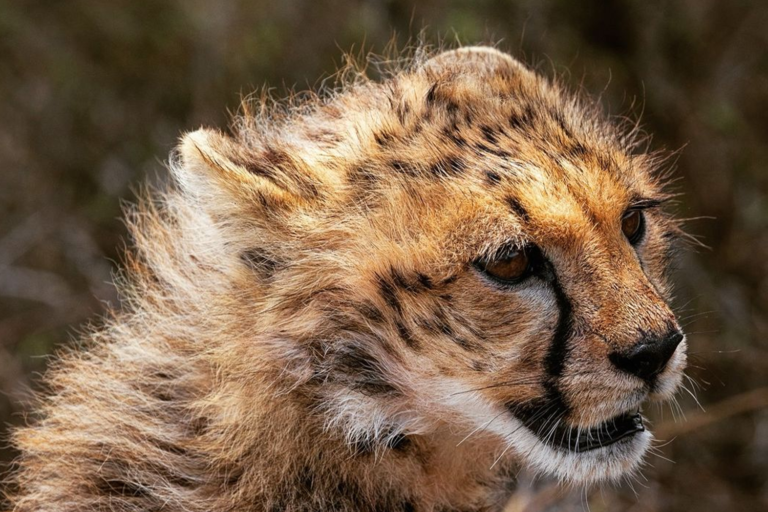
Tarangire Safari With Luxury Tented Camps And Private Bathrooms 2026-2027
A comprehensive buyer guide to booking a Tarangire safari with luxury tented camps featuring private en-suite flush toilets and running hot showers for 2026-2027.
View package detailsPrivate Tanzania Safari With Flexible Game Drives For Children 2026-2027
Private Tanzania Safari with Flexible Game Drives for Children is explained with current 2026-2027 planning, price, itinerary and booking information.
View package detailsFamily-Friendly Tanzania Safari With Short Driving Distances 2026-2027
Family-Friendly Tanzania Safari with Short Driving Distances is explained with current 2026-2027 planning, price, itinerary and booking information.
View package detailsTanzania Safari And Zanzibar Family Holiday Packages 2026-2027
Tanzania Safari and Zanzibar Family Holiday Packages is explained with current 2026-2027 planning, price, itinerary and booking information.
View package detailsHow Many Days Should A Family Spend On Safari In Tanzania? 2026-2027
How Many Days Should a Family Spend on Safari in Tanzania? is explained with current 2026-2027 planning, price, itinerary and booking information.
View package detailsBest Tanzania Safari Parks For Children Visiting Africa The First Time
Planning a family safari in Tanzania? Learn which parks are best for children, what to expect, and how to make the most of your first African adventure.
View package details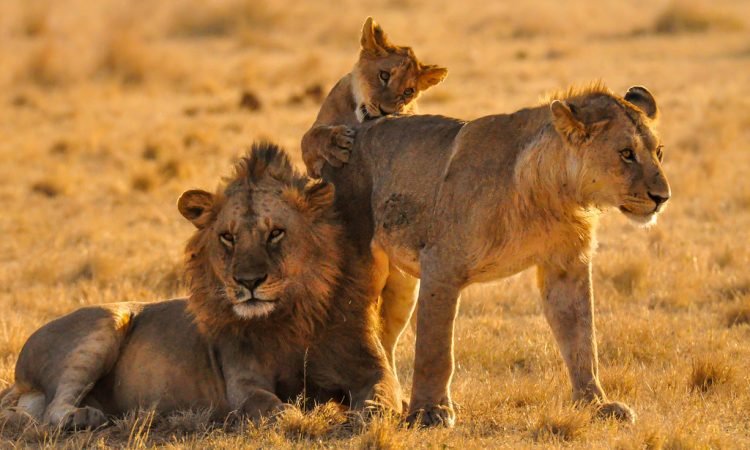
Family-Friendly Tarangire Safari Packages With Short Driving Distances
Family-Friendly Tarangire Safari Packages with Short Driving Distances is explained with current 2026-2027 planning, price, itinerary and booking information.
View package details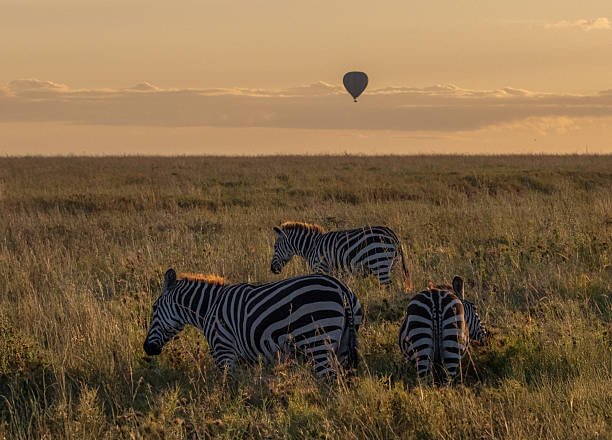
Best Private Tarangire Safari Tours For Wildlife Photographers 2026-2027
Best Private Tarangire Safari Tours for Wildlife Photographers is explained with current 2026-2027 planning, price, itinerary and booking information.
View package details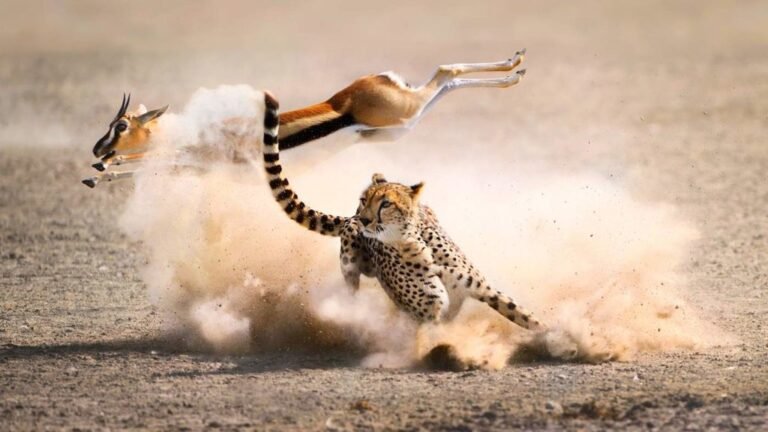
6 Day Ndutu Serengeti And Ngorongoro Safari With Private Guide 2026-2027
6 Day Ndutu Serengeti and Ngorongoro Safari with Private Guide is explained with current 2026-2027 planning, price, itinerary and booking information.
View package details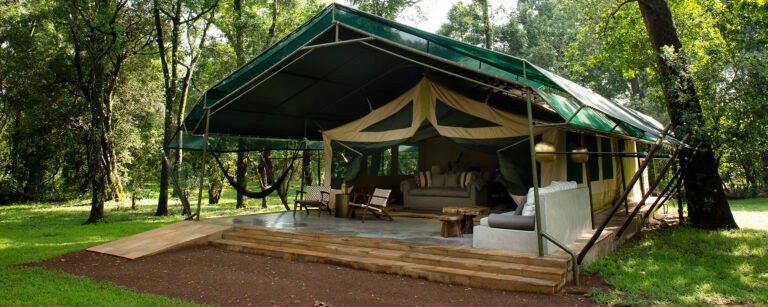
How Much Does A Private Ndutu Calving Safari Cost? 2026-2027
How Much Does a Private Ndutu Calving Safari Cost? is explained with current 2026-2027 planning, price, itinerary and booking information.
View package details
Private Serengeti Migration Safari With Flexible Game Drive Schedules
Private Serengeti Migration Safari with Flexible Game Drive Schedules is explained with current 2026-2027 planning, price, itinerary and booking information.
View package details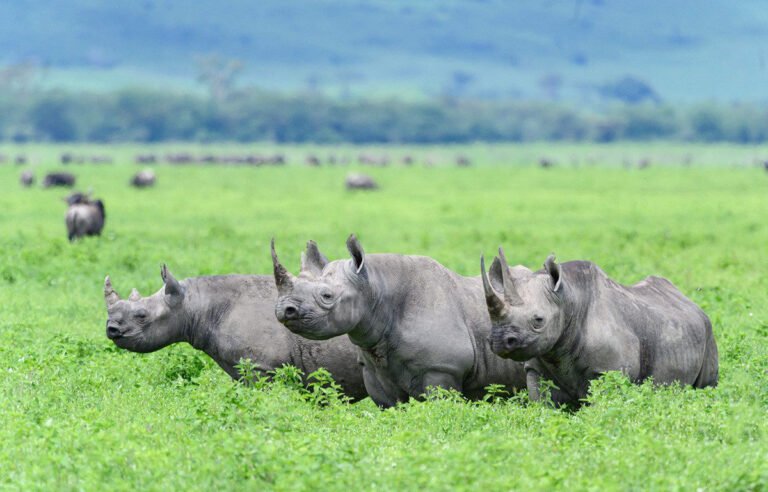
Ngorongoro Crater Safari With Private 4X4 Land Cruiser 2026-2027
Ngorongoro Crater Safari with Private 4x4 Land Cruiser is explained with current 2026-2027 planning, price, itinerary and booking information.
View package detailsNo closely related package is available yet for this topic.

Our Guest Reviews, Currently Feedback from Clients in 2026
Reviews from different sources, including Google Business, Tripadvisor, other platforms, and social media.