The 8 Days Machame Kilimanjaro Full Moon Climb – 18–25 December 2026 is a specialized high-altitude trekking expedition structured to place climbers on the summit of Mount Kilimanjaro (Uhuru Peak, 5,895 meters / 19,341 feet) under the peak lunar illumination of the December 2026 full moon. Starting at Machame Gate on December 18 and completing descent on December 25, 2026, this schedule incorporates a deliberate acclimatization pacing—spending critical adaptation nights at Shira Cave, Barranco, and Karanga Valley—to achieve an average summit success rate exceeding 92%. Mid-range to premium private departures for 2026–2027 typically range between $2,250 and $2,850 per climber depending on group size, equipment specifications, and private toilet options, covering all TANAPA conservation fees, mountain rescue insurance, certified wilderness guides, and mountain crew logistics.
The December 2026 Lunar Window: Astronomy, Glacial Visibility, and Cold-Night Realities
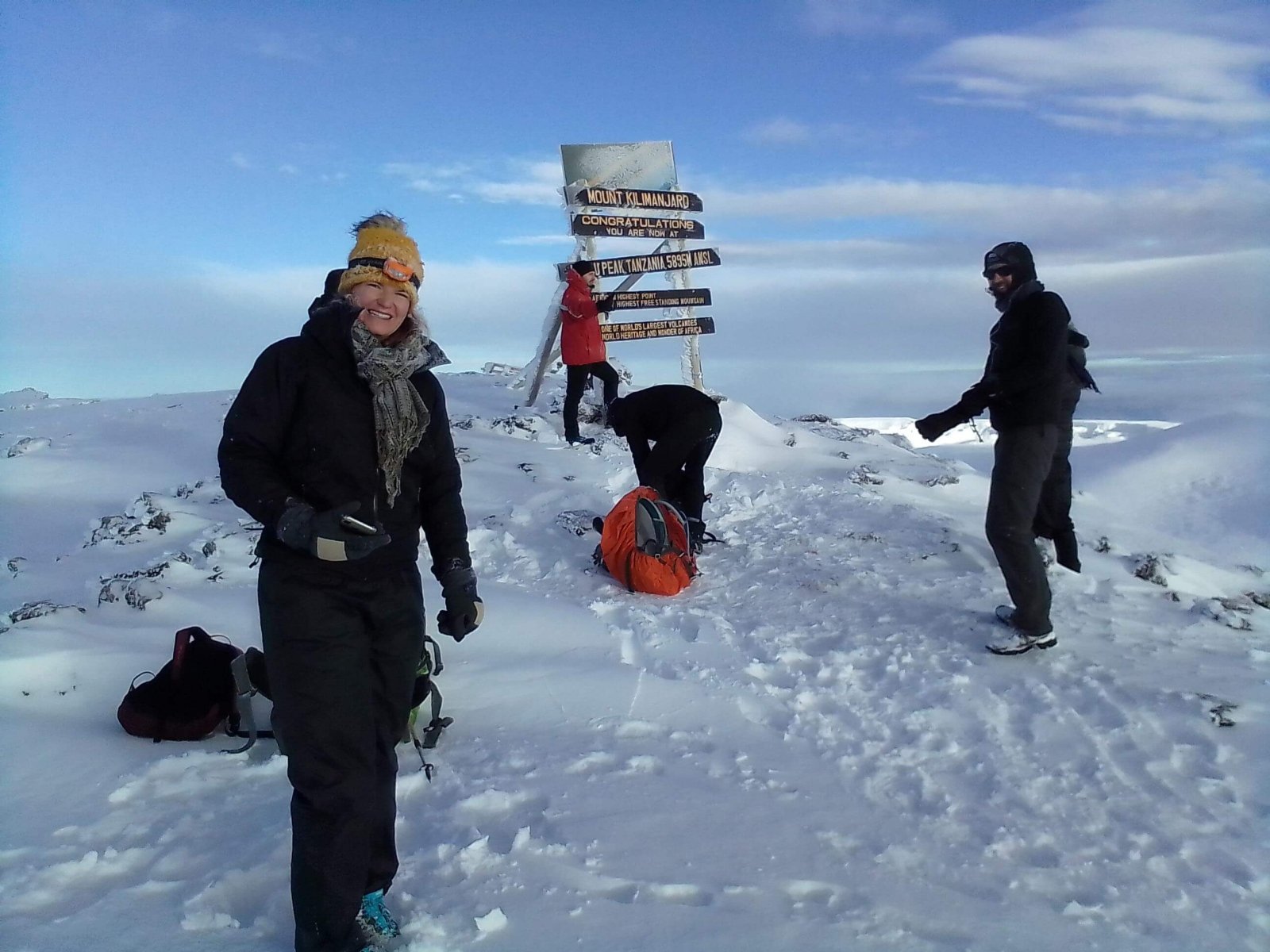
Summiting Kilimanjaro at night is standard mountaineering procedure regardless of the calendar date. Most climbing crews depart Barafu Camp (4,673 meters) or Kosovo Camp (4,870 meters) between 23:00 and midnight. The objective is to negotiate the steep, loose scree slopes of the Kibo volcanic cone while sub-zero temperatures freeze the gravel into stable footing, reaching Stella Point or Uhuru Peak right around first light. However, standard dark-sky ascents force hikers to spend six to eight hours staring exclusively at a narrow pool of LED light projected by their headlamp, surrounded by an impenetrable void of black space.
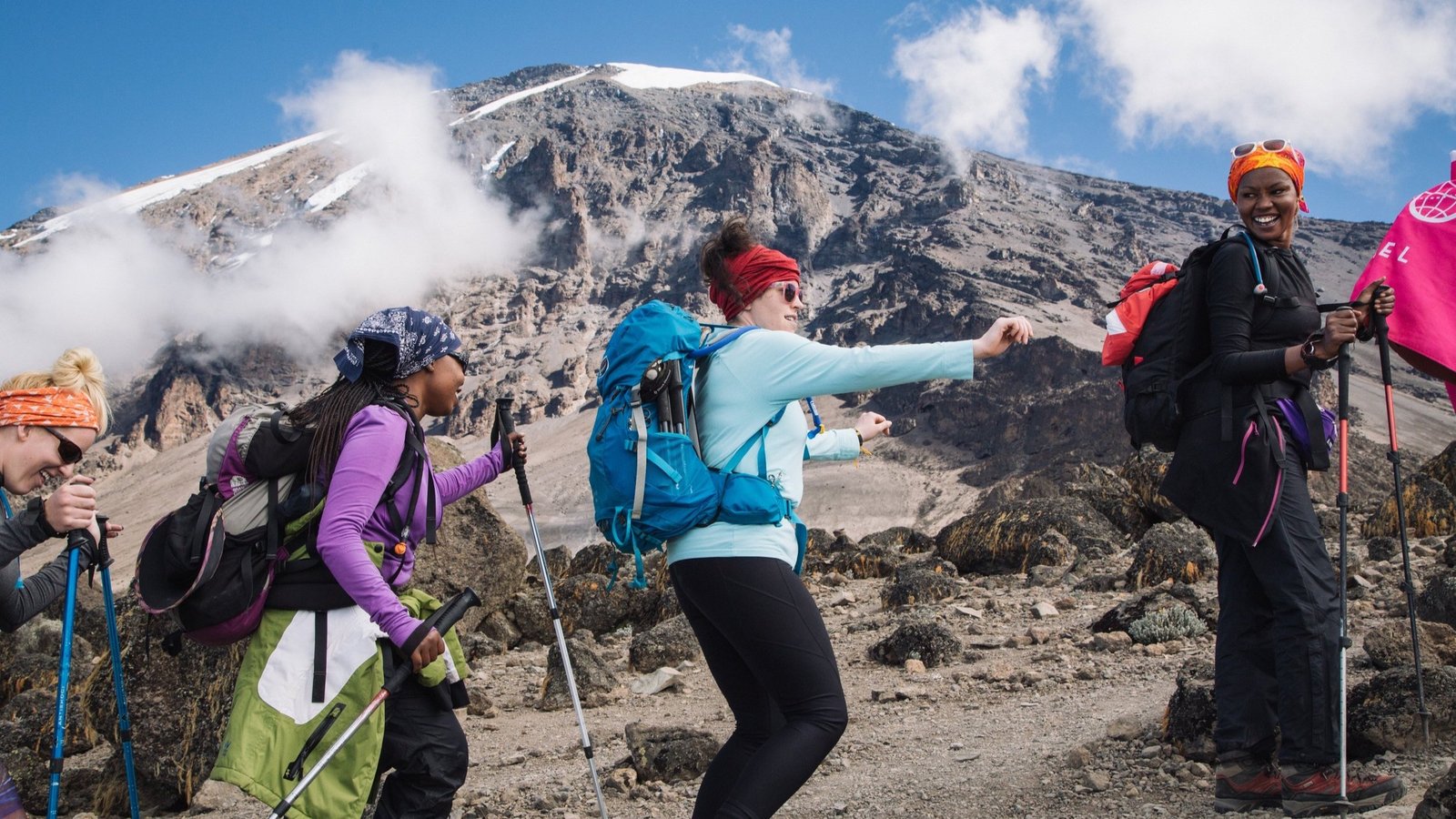
A full moon climb radically alters the physiological and psychological experience of summit night. In December 2026, the astronomical full moon reaches 100% surface illumination on December 24. By aligning the 8-day Machame progression to launch from Barafu Camp late on the night of December 23 and topping out during the pre-dawn hours of December 24, climbers ascend beneath an orb so luminous that headlamps become entirely redundant across open sections of the Rebmann and Ratzel glaciers.
Under direct lunar illumination, the crater rim of Kibo, the sheer vertical ice walls of the Southern Icefield, and the dramatic drop down into the crater floor reveal themselves in stark, silver-white contrast. Trekkers can see the actual curvature of the crater ridge hours before sunrise, transforming what is frequently an isolating, mentally exhausting trudge through darkness into a deeply panoramic visual journey.
Practical Cold-Weather Reality: Lunar brightness does not reduce thermal intensity. In late December, summit temperatures on Kilimanjaro regularly plummet to between -10°C and -18°C (14°F to 0°F), with wind chills on the crater rim dipping closer to -25°C (-13°F). Furthermore, chemical hand warmers and lithium-ion headlamp batteries discharge up to 60% faster in extreme cold. Even when climbing by natural moonlight, your headlamp must remain secured under your outer hardshell hood with spare lithium cells kept close to your base layer.
Planning for a lunar summit also demands an understanding of crowd distribution. High-altitude calendar dates that coincide with astronomical events—particularly during the global Christmas travel window—attract higher climber numbers than mid-November or early December departures. If your arrival dates are fixed but you prefer a less trodden path on the western flank, comparing this itinerary with the 9 Days Lemosho Kilimanjaro Full Moon Climb – 17–25 December 2026-2027 helps clarify whether you prefer the raw, technical verticality of Machame or the quieter, more gradual wilderness approach of Lemosho.
2026–2027 Pricing Dynamics, TANAPA Park Tariffs, and Crew Inclusions
Climbing Kilimanjaro is a heavily regulated logistical operation governed by the Tanzania National Parks Authority (TANAPA). Every legitimate operator must pay mandatory, non-negotiable statutory fees assessed on a per-person, per-day basis. On an 8-day Machame itinerary, statutory fees account for more than half of the total package cost before accounting for guides, porters, food provisioning, private ground transport, and mountain safety hardware.
For the 2026–2027 operational seasons, standard transparent pricing for an 8-day Machame mountain program breaks down into distinct operational tiers:
- Group Joining (4 to 10 climbers): $2,150 – $2,350 per person. Group departures spread fixed vehicle transfer and campsite management expenses across multiple participants while maintaining high mountain-crew ratios.
- Private Mid-Range Trek (2 climbers): $2,450 – $2,650 per person. Complete departure autonomy, dedicated mountain transport, personalized meal planning, and private mess tent facilities.
- Solo Climber (Private Guide & Full Dedicated Crew): $2,950 – $3,250. Covers dedicated vehicle mobilization, lead guide, assistant guide, cook, and a minimum team of four to five porters required by park safety regulations.
| Cost Category | Estimated Amount (USD) | Operational Scope & Details |
|---|---|---|
| TANAPA Mandatory Park Fees | $1,120 – $1,280 | Includes daily conservation fees ($70/day), daily camping fees ($50/day), rescue insurance, crater fees (if applicable), and 18% Tanzanian VAT. |
| Mountain Staff Wages & Welfare | $520 – $680 | Fair wage compensation compliant with mountain porter regulatory standards for lead guides, cooks, and porters. |
| Safety Equipment & Monitoring | $120 – $180 | Daily medical diagnostics (pulse oximeters), supplemental medical oxygen cylinders, hyperbaric emergency planning, and evacuation readiness. |
| Catering, Logistics & Camp Gear | $280 – $410 | Four-season mountain tents, mess tents, private chemical toilets, three hot prepared meals daily, airport transfers, and hotel nights. |
| Estimated Base Total | $2,250 – $2,850 | Total operational cost range per person based on a standard two-person private 2026 departure. |
Travelers often ask why pricing diverges between operators for what appears to be the exact same physical trail. In reality, budget operators cutting prices below the $1,900 mark consistently compromise on porter load weights, safety protocols, and guide training. TOP GUIDE ADVENTURES operates with strict safety compliance: pulse oximeters are deployed twice daily at breakfast and dinner to track resting heart rate and blood oxygen saturation (SpO2), certified medical oxygen systems are maintained on the mountain for acute mountain sickness (AMS) intervention, and client-to-guide ratios are strictly capped at 2:1 on summit night.
If you are coordinating broader holiday travel around these specific departure dates, remember that December sits inside the northern Tanzania safari high season. Trekkers often question whether you can join a safari after finishing a Kilimanjaro climb; balancing trail departure dates with wildlife circuits like the Serengeti and Ngorongoro Crater requires booking park access permits and vehicle allocations well ahead of late-year cutoffs.
Route Architecture: Why 8 Days on Machame Outperforms Shorter Profiles
The Machame Route is frequently marketed in commercial brochures as a 6-day or 7-day climb. While a 6-day itinerary is physically feasible for highly conditioned hikers, statistical tracking by park authorities reveals that 6-day Machame treks suffer from an elevation failure rate near 35% to 40%. Compressing the route forces hikers to skip critical intermediate camp zones, moving directly from Barranco Camp (3,950 meters) to Barafu Camp (4,673 meters) without an overnight stay in the Karanga Valley.
By selecting an 8-day total itinerary structure (incorporating either an arrival prep day alongside a 7-day mountain trek, or an extended 8-day profile that adds an extra acclimatization stage at Shira or Karanga), climbers utilize the proven physiological principle of climb high, sleep low to its fullest advantage. Let us compare the specific route profiles operating in this exact late-December corridor:
Check Availability for 8 Days Machame Kilimanjaro Full Moon Climb – 18–25 December 2026-2027
Ready to compare dates, prices, and the best option for your group? Send the package name and travel month so the team can reply with a clear quote, availability, and what is included.
9 Days Lemosho Kilimanjaro Full Moon Climb – 17–25 December 2026-2027
9 Days Lemosho Kilimanjaro Full Moon Climb – 17–25 December 2026 is explained with current 2026-2027 planning, price, itinerary and booking information.
View package details
6 Days Machame Kilimanjaro Full Moon Climb – 20–25 December 2026-2027
6 Days Machame Kilimanjaro Full Moon Climb – 20–25 December 2026 is explained with current 2026-2027 planning, price, itinerary and booking information.
View package details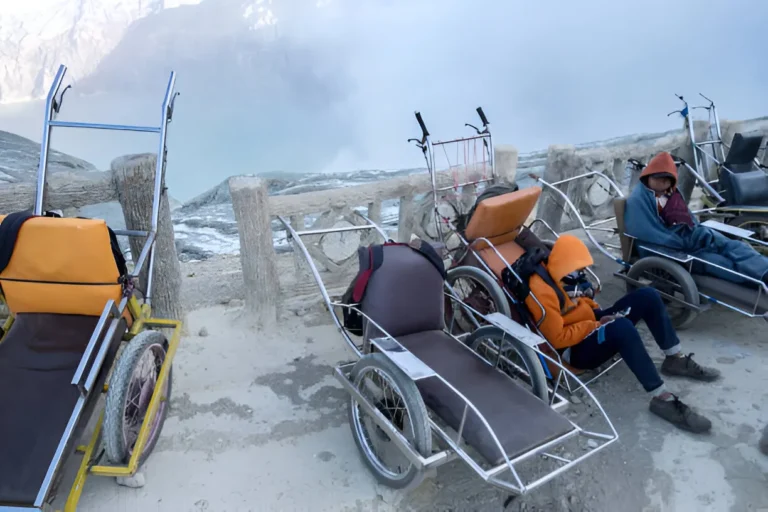
7 Days Machame Kilimanjaro New Year Climb – 27 December – 2 January 2026-2027
7 Days Machame Kilimanjaro New Year Climb – 27 December 2026 – 2 January 2027 is explained with current 2026-2027 planning, price, itinerary and booking.
View package details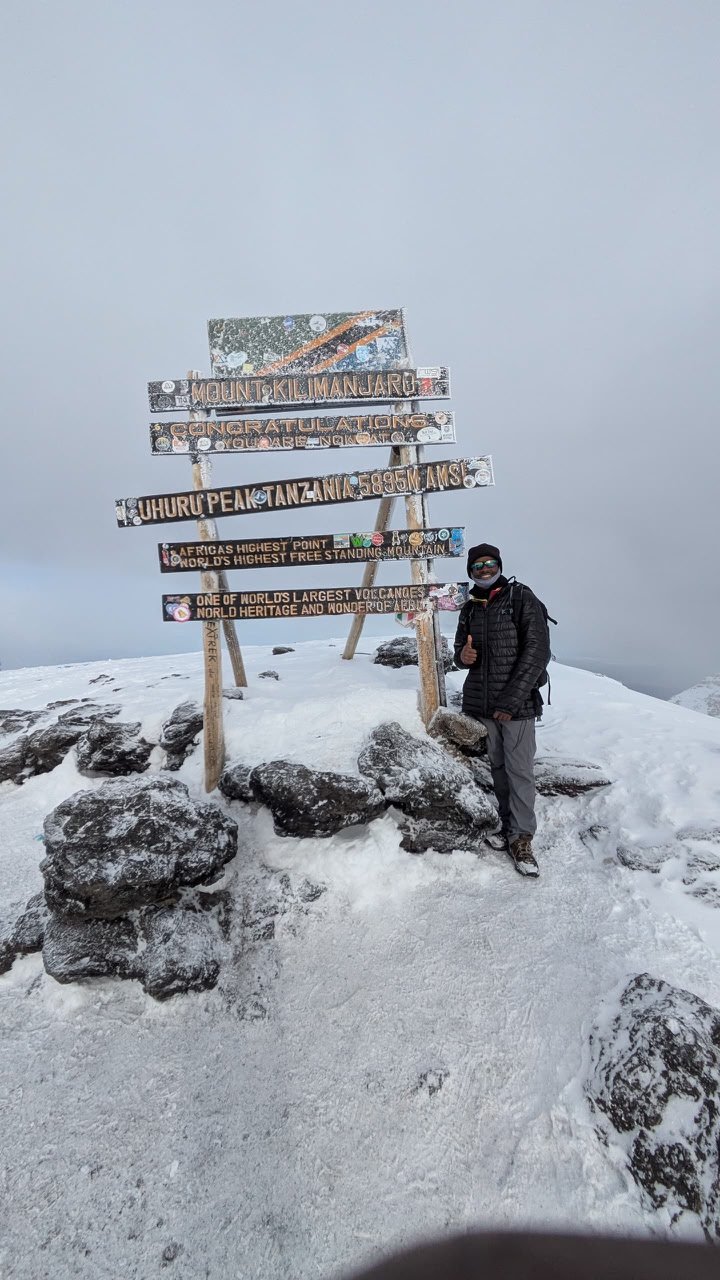
8 Days Lemosho Kilimanjaro Full Moon Group Trek – 18–25 December 2026-2027
An 8-day group trek on Kilimanjaro's scenic Lemosho Route timed for the December 2026 full moon period, with summit day on Christmas morning.
View package details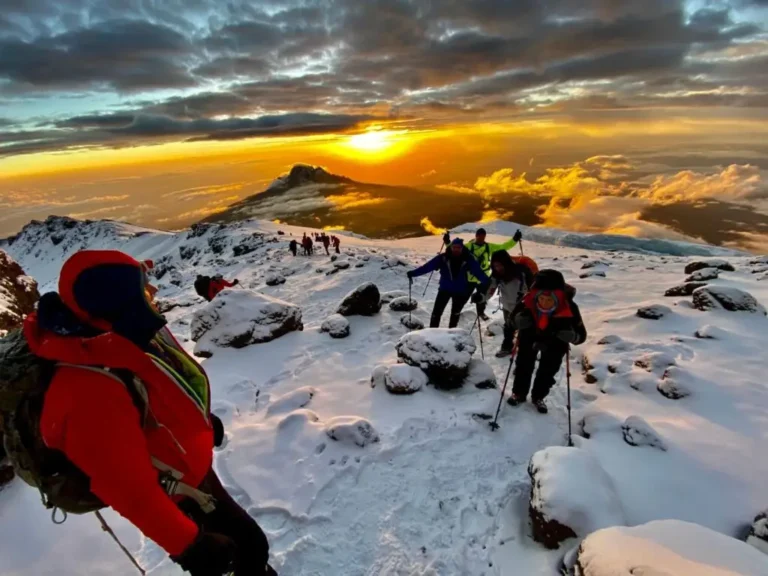
7 Days Machame Kilimanjaro Group Climb – 9–15 December 2026-2027
A detailed guide to the 7-day Machame Route Kilimanjaro group climb in December 2026, covering itinerary, preparation, and what to expect.
View package details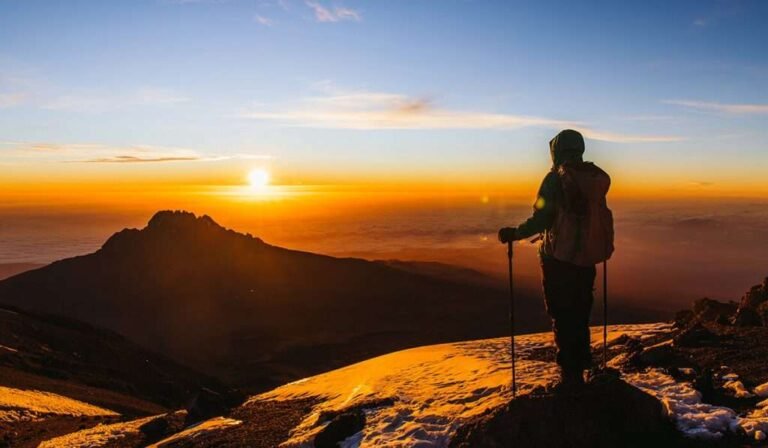
6 Days Marangu Kilimanjaro Full Moon Climb – 20–25 December 2026-2027
6 Days Marangu Kilimanjaro Full Moon Climb – 20–25 December 2026 is explained with current 2026-2027 planning, price, itinerary and booking information.
View package details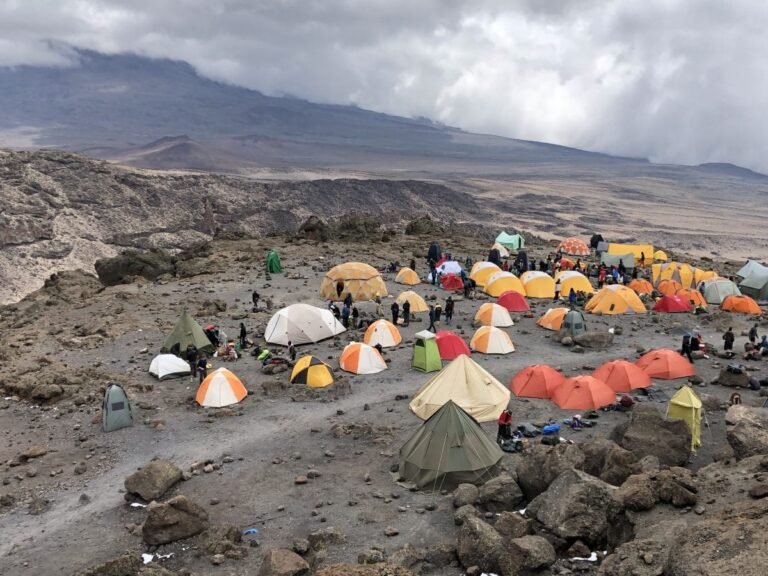
7 Days Lemosho Route Kilimanjaro Group Climb – 3–9 December 2026-2027
7 Days Lemosho Route Kilimanjaro Group Climb – 3–9 December 2026 is explained with current 2026-2027 planning, price, itinerary and booking information.
View package details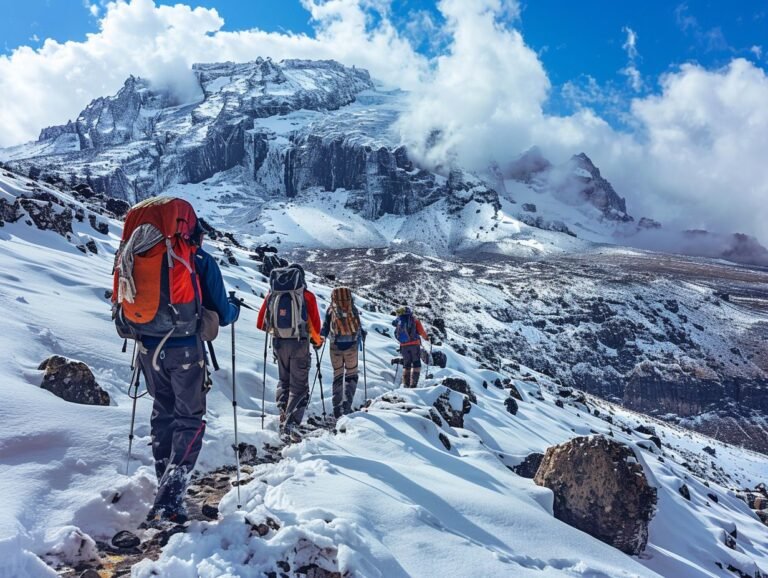
7 Days Machame Kilimanjaro Christmas Holiday Trek – 25–31 December 2026-2027
7 Days Machame Kilimanjaro Christmas Holiday Trek – 25–31 December 2026 is explained with current 2026-2027 planning, price, itinerary and booking.
View package details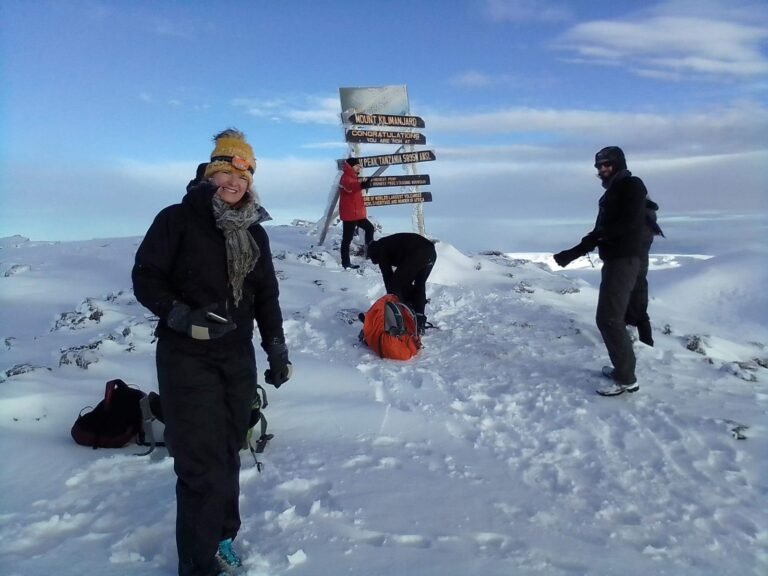
7 Days Machame Route Kilimanjaro Christmas Trek – 20–26 December 2026-2027
7 Days Machame Route Kilimanjaro Christmas Trek – 20–26 December 2026 is explained with current 2026-2027 planning, price, itinerary and booking information.
View package details8 Days Machame Route Kilimanjaro Trekking – 15–22 December 2026-2027
8 Days Machame Route Kilimanjaro Trekking – 15–22 December 2026 is explained with current 2026-2027 planning, price, itinerary and booking information.
View package details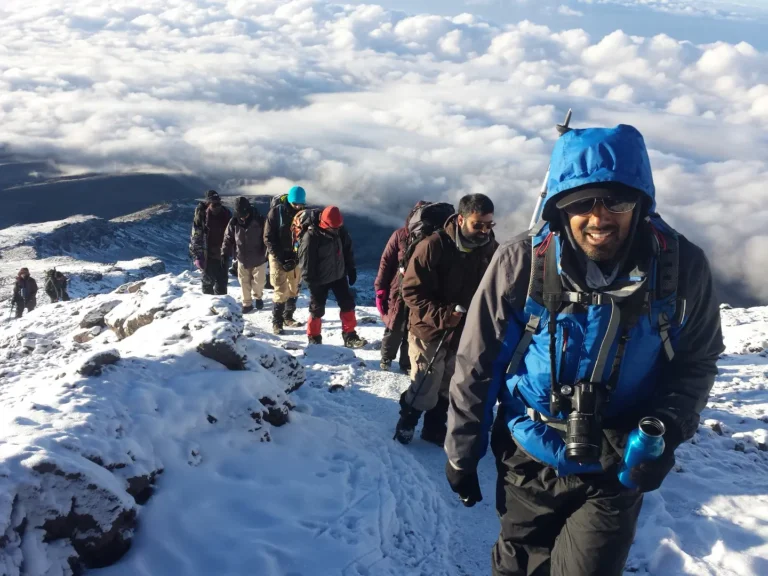
7 Days Machame Kilimanjaro Trek – 12–18 December 2026-2027
7 Days Machame Kilimanjaro Trek – 12–18 December 2026 is explained with current 2026-2027 planning, price, itinerary and booking information.
View package details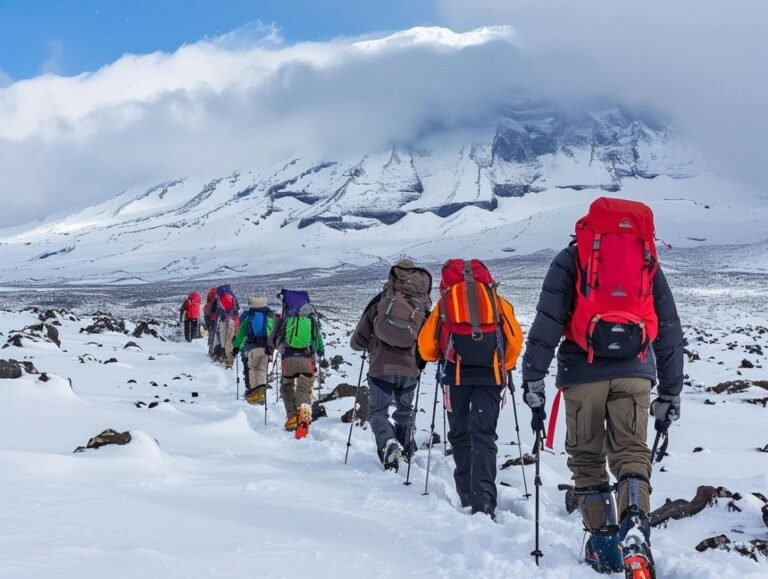
7 Days Machame Kilimanjaro Trekking Tour – 4–10 December 2026-2027
7 Days Machame Kilimanjaro Trekking Tour – 4–10 December 2026 is explained with current 2026-2027 planning, price, itinerary and booking information.
View package detailsNo closely related package is available yet for this topic.

Our Guest Reviews, Currently Feedback from Clients in 2026
Reviews from different sources, including Google Business, Tripadvisor, other platforms, and social media.