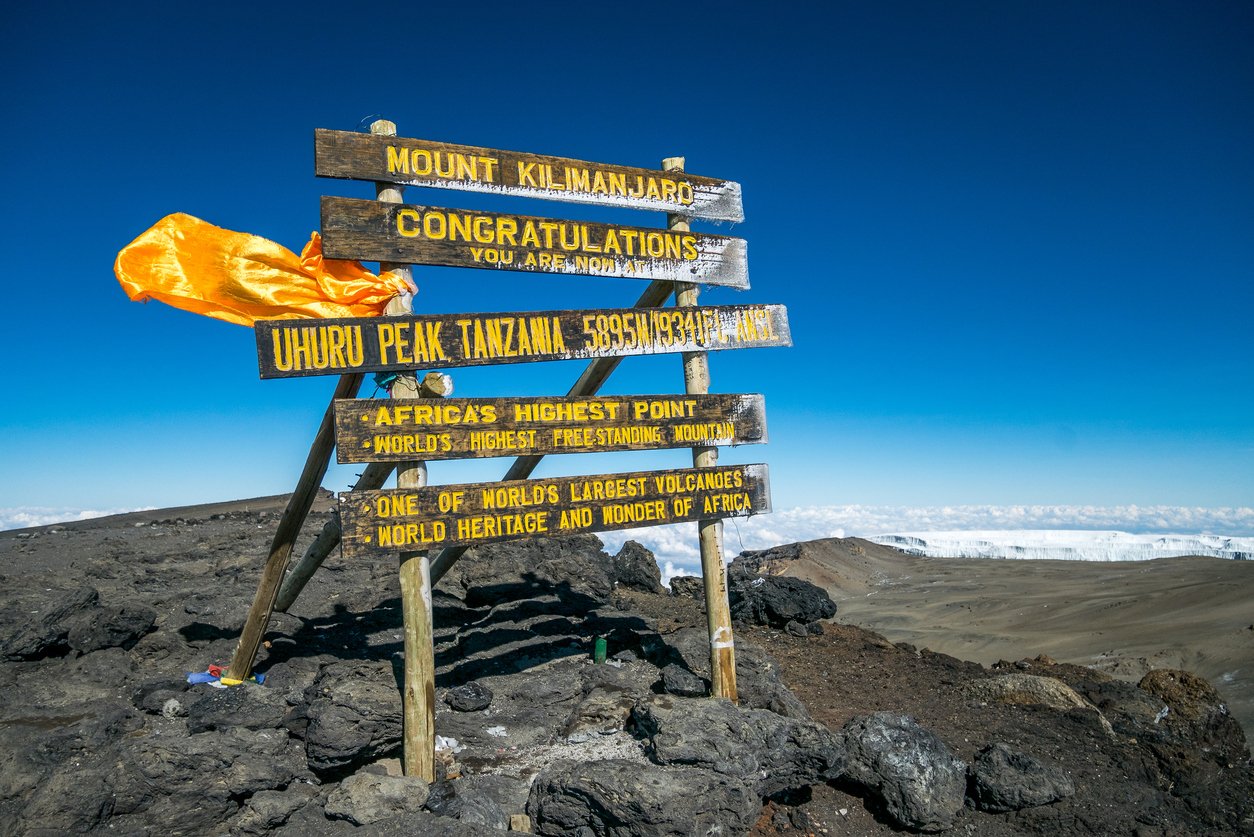
The 6 Days Machame Route Christmas Climb – 21–26 December 2026 is a fast-paced, high-altitude Kilimanjaro expedition that begins at Machame Gate on December 21, positions climbers to summit Uhuru Peak (5,895 meters) early on Christmas morning (December 25), and descends through Mweka Gate on December 26. Standard package rates for this Christmas departure range between $1,850 and $2,450 per person depending on group size and transport logistics, covering all Tanzania National Parks (TANAPA) conservation and camping fees, mountain rescue protocols, mountain crew wages, daily pulse oximeter checks, and emergency oxygen systems. The primary decision for trekkers selecting this condensed 6-day profile over the 7-day variation is managing the skipped Karanga Valley acclimatization night, requiring solid baseline physical conditioning and strict adherence to a steady pace.
Expedition Snapshot: 21–26 December 2026 Schedule & Cost Logic
Choosing to spend Christmas week on the slopes of Mount Kilimanjaro is one of the most distinctive ways to close out the year. The 6 Days Machame Route Christmas Climb – 21–26 December 2026 offers an unbroken trajectory from the dense montane rainforest up to the arctic glaciated summit crater, timing your final ascent to coincide with Christmas Day. Because late December falls at the transition between the short rainy season and the dry summer window, running this precise departure date requires transparent logistical planning, clear cost expectations, and rigorous gear preparation.
Standard commercial pricing for this fixed-date Christmas itinerary operates on a tiered structure. For the 2026-2027 climbing seasons, operators face fixed statutory fees established by TANAPA, which constitute the largest portion of any legitimate climb quote. When evaluating quotes for this Christmas departure, climbers should expect the following cost frameworks:
Cost Framework for 21–26 December 2026 Machame Departures
Climbers often ask why December holiday climbs carry strict pricing tiers. The reason lies in mandatory operational costs: national park conservation fees ($70/day), camp fees ($50/night), mountain rescue coverage, crew insurance, fair wage mandates set by the Kilimanjaro Porters Assistance Project (KPAP), and comprehensive logistical backing including supply replenishment and medical gear.
- Shared Small-Group Joining (4–10 climbers): $1,850 – $2,150 per climber. Includes airport transfers, standard Moshi hotel stays before and after the trek, shared mess tents, mountain safety gear, and complete camp services.
- Private Expedition (2–3 climbers): $2,200 – $2,450 per climber. Delivers customized pace control, private vehicle logistics, dedicated dining setups, and flexible daily schedules.
- Solo Private Climber: $2,750 – $3,100. Covers all private guide allocations, dedicated porter team ratios, private mess logistics, and single-occupancy hotel arrangements.
If you prefer an extra acclimatization day during the same holiday window, you can compare this profile against the alternative 7 Days Machame Route Kilimanjaro Christmas Trek – 20–26 December 2026-2027, which inserts an overnight rest stop in the Karanga Valley before moving to Barafu Camp. For travelers who require the tighter 6-day profile to fit strict international flight windows, the 21–26 December schedule functions as an intensive, highly rewarding itinerary that demands disciplined energy conservation from the start.
| Expedition Parameter | Operational Detail (21–26 December 2026) | Strategic Consideration |
|---|---|---|
| Total Trail Distance | Approximately 62 kilometers (38.5 miles) | Averaging 9 to 13 kilometers daily across uneven volcanic terrain. |
| Route Architecture | Ascend Machame / Descend Mweka | Maximizes scenic variety; avoids retracing downhill steps. |
| Summit Push Window | Night of Dec 24 / Morning of Dec 25 | Uhuru Peak at sunrise on Christmas Day; descend to Mweka Camp. |
| Average Trekking Hours | 5–7 hours daily (Summit day: 11–14 hours) | Requires sustained cardiovascular endurance and mental resilience. |
| Mandatory Park Fees Included | Conservation, Camping, Rescue Fees | Direct compliance with official Tanzania National Parks authority rules. |
| Safety Infrastructure | Pulse oximeters, emergency oxygen, medical kits | Twice-daily biometric screenings performed at breakfast and dinner. |
Machame Route Profile: The 6-Day Progression vs. 7-Day Strategy
The Machame Route—informally nicknamed the “Whiskey Route”—is historically celebrated for its high scenic diversity and natural terrain staging. Unlike the older Marangu Route, which ascends and descends the same path on the southeastern flank and houses trekkers in communal wooden A-frame huts, Machame is a true wilderness camping route that climbs through five distinct ecological bands on the mountain’s southwestern aspect.
Understanding the exact mechanics of the 6-day variant is essential before securing your booking. The fundamental difference between the standard 7-day Machame schedule and this 6-day Christmas expedition lies entirely on Day 4. In a 7-day profile, climbers ascend from Shira Camp, climb past the Lava Tower (4,630 meters) for lunch and acclimatization, descend into the lush Barranco Valley (3,970 meters) to sleep, and on the subsequent day make a short 3- to 4-hour trek across the Barranco Wall into Karanga Camp (3,995 meters) for an additional night of rest.
In this 6 Days Machame Route Christmas Climb, that intermediate resting day at Karanga is removed. On Day 4 (December 24), your team scales the dramatic Barranco Wall immediately after breakfast, hikes through the arid alpine gullies of Karanga for a trailside lunch, and pushes straight upward across barren scree fields to Barafu Camp (4,673 meters) by mid-afternoon. This creates an 8- to 9-hour mountain day followed immediately by a short evening rest before the midnight summit push begins.
Who Should Choose the 6-Day Christmas Climb?
- Physically Active Hikers: Trekkers with proven multi-day backpacking experience who are comfortable walking 6 to 9 hours back-to-back with trekking poles and a daypack.
- Time-Constrained Holiday Climbers: Professionals who must coordinate their trip around strict office closures between December 20 and January 2, allowing them to summit on Christmas morning and connect with post-trek flights or a short safari.
- Pre-Acclimatized Trekkers: Individuals who have spent time trekking at high elevations prior to arrival, or who have completed a warm-up climb such as Mount Meru.
- Resilient Campers: Hikers unbothered by consecutive nights under canvas in sub-zero alpine conditions, changing weather patterns, and early mountain starts.
If your schedule provides greater flexibility, operators like TOP GUIDE ADVENTURES frequently advise reviewing options such as the 8 Days Machame Route Kilimanjaro Trekking – 15–22 December 2026-2027 or shifting laterally to a quieter trail via the 7 Days Lemosho Kilimanjaro Christmas Climb – 20–26 December 2026-2027. However, for those committed to reaching the highest point in Africa on December 25, the 6-day Machame route offers a direct, highly focused mountain itinerary.
Holiday Season Dynamics: Weather, Trail Traffic, and Camp Realities
Planning an expedition across late December requires balancing seasonal climatic transitions with holiday camp congestion. In northern Tanzania, the short rainy season (known locally as the Vuli) typically runs from late October through early December. By the third week of December, the weather pattern shifts toward the warm, dry summer season that extends through March. Nevertheless, Mount Kilimanjaro generates its own localized weather systems, meaning microclimates shift significantly as you move up the trail.
During the 21–26 December 2026 window, climbers should anticipate distinct atmospheric conditions across different altitude zones:
- Rainforest Zone (1,800m to 2,800m): High humidity, midday temperatures hovering around 20°C to 24°C, and frequent afternoon downpours. Trails can become slick mud chutes, requiring sturdy, waterproof high-ankle hiking boots and breathable outer shells.
- Moorland and Heather Zone (2,800m to 4,000m): Cooler ambient air (10°C to 16°C), intense solar radiation during morning hours, and dropping evening temperatures that often flirt with 2°C to 5°C. Mist and low cloud cover often roll in by early afternoon.
- Alpine Desert Zone (4,000m to 5,000m): Arid, dusty winds, rapid evaporation rates, sharp temperature drops, and nightly freezes dipping below -5°C.
- Arctic Summit Zone (5,000m to 5,895m): Sub-zero conditions ranging from -10°C to -20°C on summit morning, compounded by windchill over Stella Point and the crater rim.
Holiday traffic is another practical factor. The Christmas and New Year period represents one of the busiest operational windows on Mount Kilimanjaro. Machame Camp, Shira Camp, Barranco Camp, and Barafu Camp experience high tent density. Arriving at camps with a dedicated crew ensures prime tent positioning away from high-traffic toilet corridors and main thoroughfares. Top Guide Adventures deploys forward-moving camp porters who hike ahead of the climbing group each morning to secure level, wind-protected tent sites, assemble mountain domes, and prepare boiling water stations long before you walk into camp.
For those tracking celestial patterns, climbers trekking right before Christmas may also witness the trailing light of the lunar cycle; travelers specifically seeking nighttime navigation under full illumination often look at alternatives such as the 6 Days Machame Kilimanjaro Full Moon Climb – 20–25 December 2026-2027 or the longer 8 Days Machame Kilimanjaro Full Moon Climb – 18–25 December 2026-2027. During late December 2026, the mountain presents crisp, star-filled night skies, making the Christmas summit push toward the glaciers of Kibo a stunning sensory experience.
Acclimatization Science: Managing the Skipped Karanga Night
Altitude sickness (Acute Mountain Sickness, or AMS) is the primary obstacle for climbers on Kilimanjaro, particularly on 6-day routes. Because the mountain rises sharply from the plains of northern Tanzania without a surrounding high-altitude plateau, your body must adapt to progressive drops in barometric pressure over a compressed timeframe. At Uhuru Peak (5,895 meters), the effective oxygen availability is less than 50% of sea-level values.
The Machame Route incorporates a crucial natural acclimatization feature early in the itinerary: the “climb high, sleep low” profile on Day 3. Trekkers leave Shira Camp (3,840 meters) and hike steadily up to the base of the volcanic monolith known as Lava Tower (4,630 meters). After spending an hour resting and consuming a hot lunch at this elevated threshold, the trail descends steeply through the Senecio forest into Barranco Camp (3,970 meters). This deliberate exposure triggers the release of erythropoietin (EPO), stimulating red blood cell production while allowing the nervous system to recuperate at a lower sleeping altitude.
Critical Acclimatization Rules for the 6-Day Machame Profile
Because this 6-day profile skips the additional resting night in the Karanga Valley, every climber must execute practical acclimatization protocols without compromise:
- Enforce the “Pole Pole” Pace: Walking at an intentionally slow, rhythmic pace prevents premature lactic acid buildup and keeps your heart rate comfortably below its aerobic threshold. If you cannot maintain an easy conversation while moving, you are walking too fast.
- Hydration Monitoring: High respiration rates in dry, thin air lead to silent dehydration. Every climber must consume 4 to 5 liters of purified water daily, supported by electrolyte replacements to maintain osmotic balance.
- Biometric Data Collection: Top Guide Adventures guides run mandatory medical checks twice daily—once after breakfast and once after dinner. These screenings record blood oxygen saturation (SpO2) and resting heart rates using medical-grade pulse oximeters, paired with evaluations using the Lake Louise AMS Scoring System.
- Honest Symptom Reporting: Mild headaches, reduced appetite, and slight sleep disruptions are normal altitude adaptations. However, severe nausea, ataxia (loss of balance), persistent dry coughing, or extreme fatigue require immediate intervention, supplemental oxygen administration, and potentially a managed descent to lower camps.
Travelers weighing their route selections often evaluate whether to join a standard group or book privately. If you are comparing this Christmas timeframe with group arrangements, check out the 6 Days Machame Kilimanjaro Group Joining – 12–17 December 2026-2027 for early-season dynamics, or examine the more relaxed 7 Days Machame Kilimanjaro Group Climb – 9–15 December 2026-2027 to see how an extra day fundamentally alters the physiological workload.
Stage-by-Stage Trail Breakdown: Days 1 Through 3
Executing a safe, successful ascent on Mount Kilimanjaro requires knowing what each trail segment demands in terrain, pacing, and energy use. The opening half of the 6-day Machame Christmas expedition establishes your physical baseline as you transition from the base gates into the wild volcanic amphitheater of the southern slopes.
Day 1 (December 21, 2026): Machame Gate (1,800m) to Machame Camp (2,835m)
The climb begins with morning logistics. Your mountain transfer vehicle collects you from your hotel base in Moshi or Arusha after breakfast, navigating the scenic paved roads that wind through the fertile coffee and banana plantations of the Chagga heartland to Machame Gate. Here, your lead guide processes climbing permits with the national park rangers while our porters organize, weigh, and distribute collective gear—including all mountain tents, dry rations, cooking hardware, and private duffel bags within the strict 15-kilogram weight limit enforced by TANAPA.
Check Availability for 6 Days Machame Route Christmas Climb – 21–26 December 2026-2027
Ready to compare dates, prices, and the best option for your group? Send the package name and travel month so the team can reply with a clear quote, availability, and what is included.
6 Days Machame Route Kilimanjaro Group Trek – 3–8 December 2026-2027
A detailed guide to the 6-day Machame Route Kilimanjaro group trek departing 3–8 December 2026, covering route details, daily itinerary, preparation, and booking.
View package details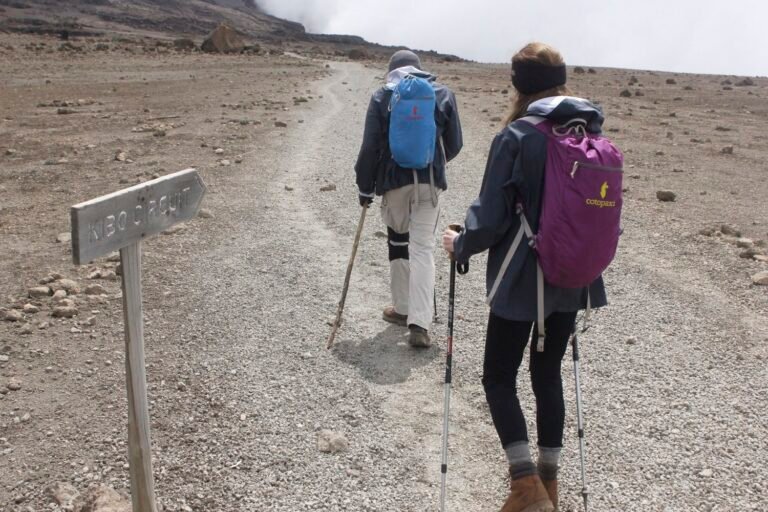
5 Days Marangu Route Kilimanjaro Group Climb – 8–12 December 2026-2027
5 Days Marangu Route Kilimanjaro Group Climb – 8–12 December 2026 is explained with current 2026-2027 planning, price, itinerary and booking information.
View package details
6 Days Machame Kilimanjaro Full Moon Climb – 20–25 December 2026-2027
6 Days Machame Kilimanjaro Full Moon Climb – 20–25 December 2026 is explained with current 2026-2027 planning, price, itinerary and booking information.
View package details7 Days Machame Route Kilimanjaro Christmas Trek – 20–26 December 2026-2027
7 Days Machame Route Kilimanjaro Christmas Trek – 20–26 December 2026 is explained with current 2026-2027 planning, price, itinerary and booking information.
View package details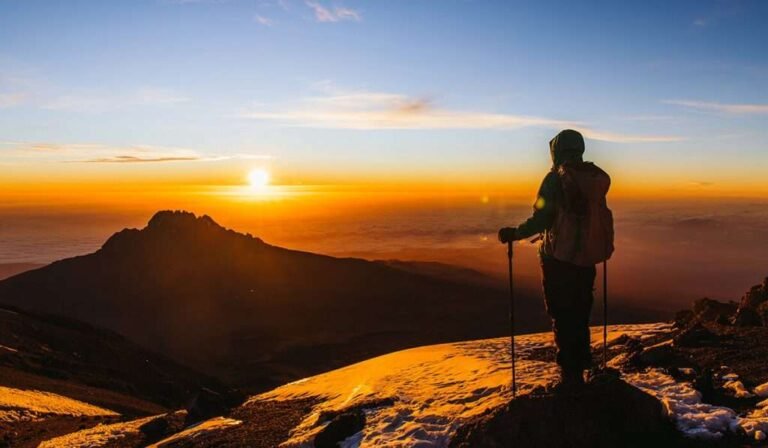
6 Days Marangu Kilimanjaro Full Moon Climb – 20–25 December 2026-2027
6 Days Marangu Kilimanjaro Full Moon Climb – 20–25 December 2026 is explained with current 2026-2027 planning, price, itinerary and booking information.
View package details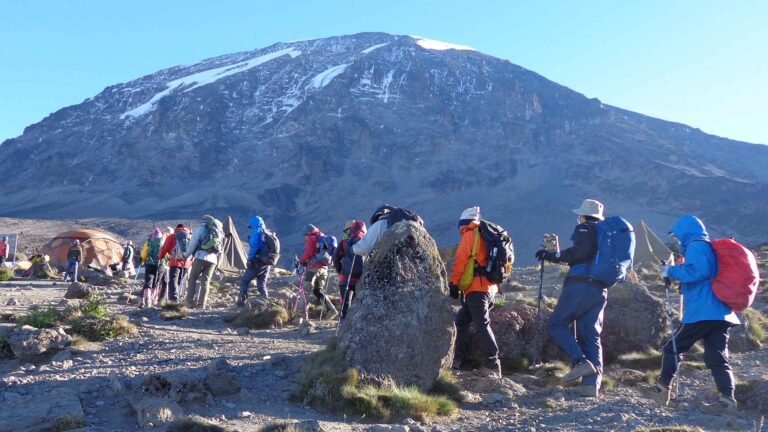
6 Days Machame Kilimanjaro New Year Trek – 28 December – 2 January 2026-2027
6 Days Machame Kilimanjaro New Year Trek – 28 December 2026 – 2 January 2027 is explained with current 2026-2027 planning, price, itinerary and booking.
View package details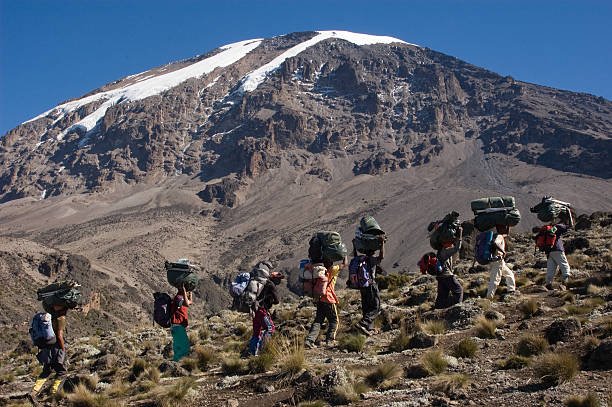
6 Days Marangu Kilimanjaro New Year Climb – 28 December – 2 January 2026-2027
6 Days Marangu Kilimanjaro New Year Climb – 28 December 2026 – 2 January 2027 is explained with current 2026-2027 planning, price, itinerary and booking.
View package details
5 Days Marangu Kilimanjaro Christmas Trek – 22–26 December 2026-2027
5 Days Marangu Kilimanjaro Christmas Trek – 22–26 December 2026 is explained with current 2026-2027 planning, price, itinerary and booking information.
View package details5 Days Marangu Route Kilimanjaro Trek – 2–6 December 2026-2027
5 Days Marangu Route Kilimanjaro Trek – 2–6 December 2026 is explained with current 2026-2027 planning, price, itinerary and booking information.
View package details
7 Days Machame Kilimanjaro New Year Climb – 27 December – 2 January 2026-2027
7 Days Machame Kilimanjaro New Year Climb – 27 December 2026 – 2 January 2027 is explained with current 2026-2027 planning, price, itinerary and booking.
View package details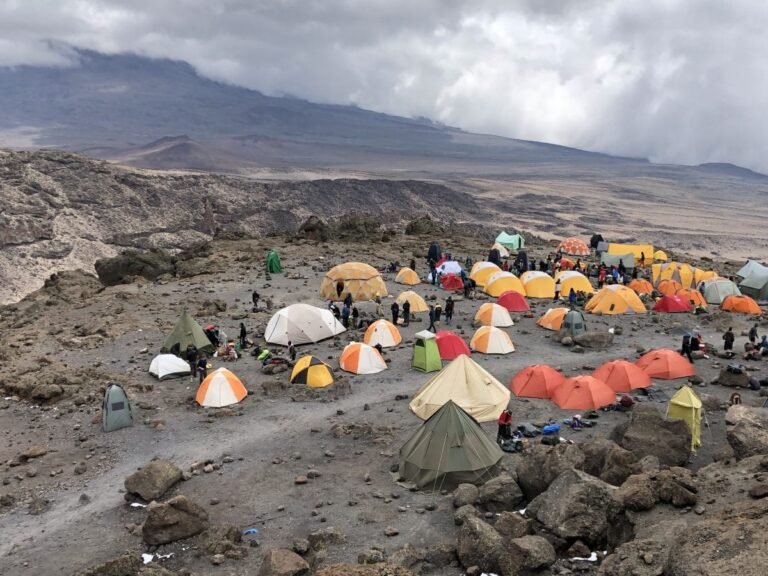
7 Days Lemosho Route Kilimanjaro Group Climb – 3–9 December 2026-2027
7 Days Lemosho Route Kilimanjaro Group Climb – 3–9 December 2026 is explained with current 2026-2027 planning, price, itinerary and booking information.
View package details8 Days Machame Kilimanjaro Full Moon Climb – 18–25 December 2026-2027
8 Days Machame Kilimanjaro Full Moon Climb – 18–25 December 2026 is explained with current 2026-2027 planning, price, itinerary and booking information.
View package detailsNo closely related package is available yet for this topic.

Our Guest Reviews, Currently Feedback from Clients in 2026
Reviews from different sources, including Google Business, Tripadvisor, other platforms, and social media.