
The 6 Days Marangu Route Kilimanjaro Group Joining – 1–6 December 2026 is a scheduled, shared-departure mountain trek ascending Mount Kilimanjaro via its classic eastern hut route. This fixed departure incorporates a crucial extra acclimatization day at Horombo Hut (3,720 m), which raises summit success rates to over 85% compared to the rushed 5-day variation. Operating at standard rates between $1,650 and $2,050 per person, this climb provides licensed wilderness guides, mountain rescue fees, National Park permits, porter logistics carrying up to 15 kg of gear, fresh trail meals, and shared wooden A-frame hut accommodations. It is tailored for solo hikers, couples, or small parties wanting the financial benefit and shared camaraderie of a group without tent camping during the early December seasonal transition.
The 1–6 December 2026 Marangu Group Departure at a Glance
Stepping onto Mount Kilimanjaro during the opening week of December places you at a unique seasonal intersection. The 6 Days Marangu Route Kilimanjaro Group Joining – 1–6 December 2026 brings solo travelers, climbing partners, and budget-conscious adventurers together into a cohesive team starting at the Marangu Gate (1,860 m). Unlike routes such as Machame or Lemosho that rely exclusively on mountain tents, Marangu provides solid communal timber A-frame cabins across all elevations, giving hikers structured shelter, dining tables, and mattress bunks.
Joining a fixed-date group departure organized by TOP GUIDE ADVENTURES solves the isolation and higher overhead of booking a private expedition. You share transport from Moshi or Arusha, group equipment, head guides, and mountain cooks, bringing the overall investment to a sensible figure while preserving rigorous safety measures. Our group climbs never compromise on the guide-to-trekker ratio: we deploy one head mountain guide for every two climbers, along with licensed assistant guides, ensuring individual pacing on summit night.
For climbers weighing their calendar against alternative dates, this early December slot is ideal if you want to complete your climb before the intense holiday rush. If your schedule requires an even tighter window, you might evaluate the 5 Days Marangu Route Kilimanjaro Trek – 2–6 December 2026-2027, though local guides consistently advise the 6-day profile because the additional 24 hours spent between 3,700 meters and 4,000 meters makes a substantial physiological difference.
Early December Weather on Kilimanjaro: What to Expect on Marangu
Understanding Kilimanjaro’s microclimates in December 2026 requires dispelling broad regional generalities. East Africa experiences its short rainy season, known locally as the Vuli, throughout November. By the first week of December, this precipitation pattern is actively breaking down, yielding clearer mornings and localized afternoon cloud formations rather than relentless daily downpours.
The Marangu Route traverses the southeastern aspect of Kilimanjaro. This geographical exposure means the lower montane rainforest zone receives moisture brought in by prevailing Indian Ocean winds. Between 1,800 and 2,700 meters, you should expect damp trail conditions, root-covered forest paths, and passing afternoon showers. However, once you break out of the canopy above Mandara Hut into the moorland zone at 3,000 meters, the landscape dries considerably.
Practical Microclimate Reality: While mornings at Horombo Hut are typically bright and clear with sweeping views of Mawenzi Peak and the Kibo massif, afternoon clouds routinely roll in by 2:00 PM. Arriving early at camp keeps your primary gear dry and gives your body ample time to warm up inside the sleeping quarters before ambient temperatures drop toward freezing at dusk.
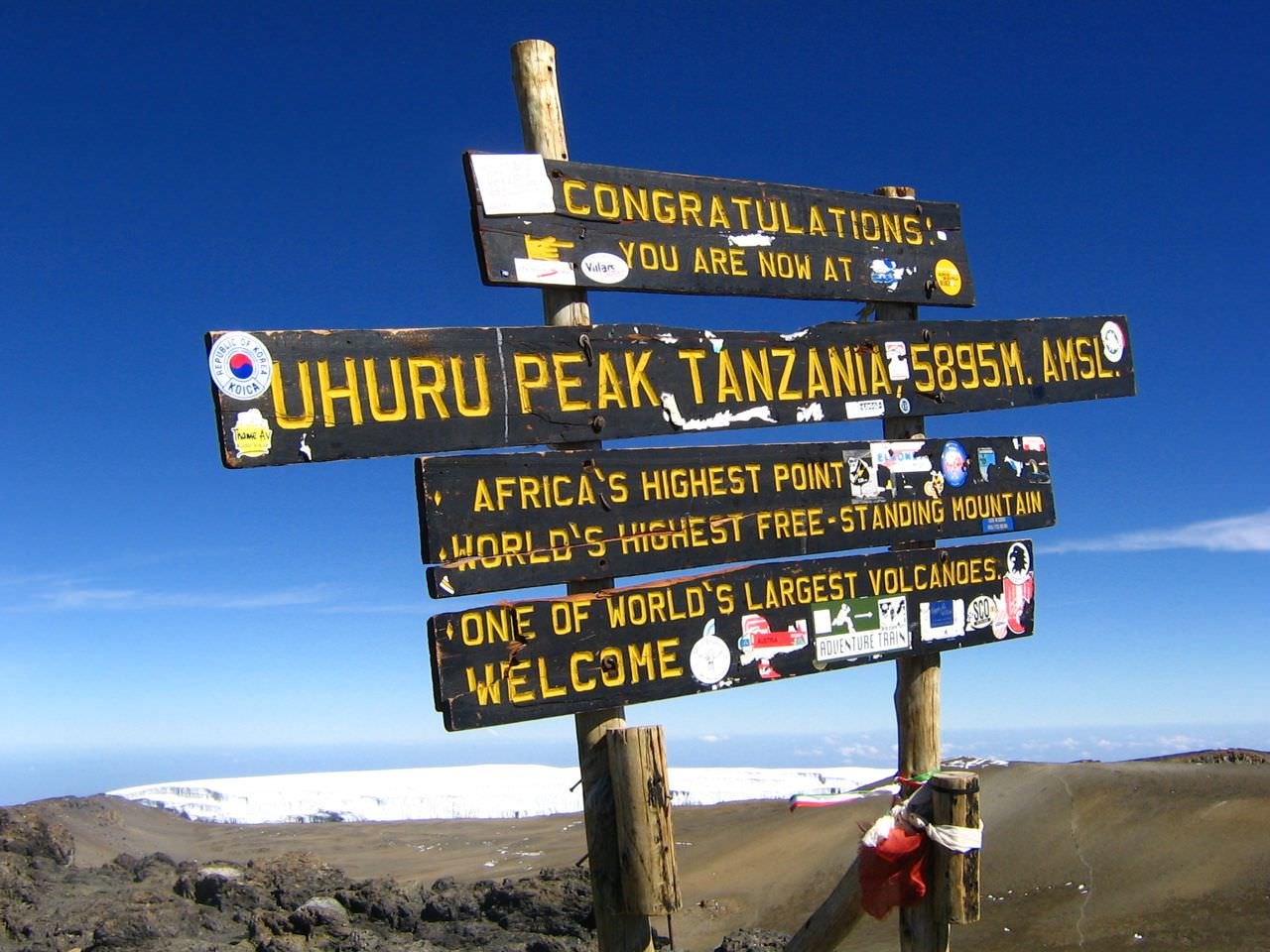
Above 4,000 meters in the alpine desert leading to Kibo Hut, rainfall is exceptionally rare; instead, freezing winds and overnight dusting of light snow or rime ice become the primary factors. Temperatures on summit night at Gilman’s Point (5,685 m) and Uhuru Peak (5,895 m) regularly plummet between -8°C and -15°C (17°F to 5°F), accentuated by wind chill. The physical construction of Marangu’s huts proves its worth in these conditions: while tent campers on other routes contend with frozen canvas and packed snow, Marangu climbers sleep inside insulated stone-and-timber cabins at Kibo Base Camp.
Why 6 Days Beats 5 Days: The Physiological Necessity of Horombo Hut
The Marangu Route has historically suffered an unfair reputation for lower summit success rates, but this is entirely an artifact of travelers choosing the budget 5-day option. Attempting Kilimanjaro in five days skips the mandatory acclimatization day at Horombo Hut, forcing an altitude jump from 3,720 meters straight to 4,703 meters at Kibo Hut, followed immediately by the 1,200-meter midnight push to Uhuru Peak. The human body simply cannot produce red blood cells or adjust blood acidity fast enough under that rate of ascent.
The 6 Days Marangu Route Kilimanjaro Group Joining – 1–6 December 2026 fundamentally changes this arithmetic. By inserting an active rest day on Day 3 at Horombo Hut, you spend two consecutive nights sleeping at 3,720 meters while engaging in an acclimatization hike to Zebra Rocks (4,020 m) or the Mawenzi Ridge saddle during daylight hours.
The Golden Mountaineering Rule: Climb high, sleep low. On Day 3, our guides take the group up 300 vertical meters to the striated volcanic formation of Zebra Rocks. You spend 45 minutes resting, hydrating, and exposing your cardiovascular system to lower oxygen levels before descending to Horombo for a hot lunch and afternoon rest. This stimulates the kidneys to shed bicarbonate and signals bone marrow to accelerate erythropoietin (EPO) production, stabilizing resting oxygen saturation levels well ahead of the summit attempt.
If you have fellow travelers who prefer wilder, tented routes with gradual profiles, compare this itinerary with the 7 Days Lemosho Route Kilimanjaro Group Climb – 3–9 December 2026-2027 or the scenic 6 Days Machame Route Kilimanjaro Group Trek – 3–8 December 2026-2027. However, for those who value solid mattresses, dry social halls, and an uncomplicated trail underfoot, the 6-day Marangu profile remains unmatched in its balance of physical comfort and physiological soundness.
Mountain Living: Facilities, Bunks, and Logistics at Mandara, Horombo, and Kibo
One of the most frequent misconceptions about Marangu is that the huts function like European alpine hotels with private ensuites, private rooms, and hot radiators. In reality, the huts managed by Kilimanjaro National Park (KINAPA) are practical, communal shelters designed to withstand extreme mountain weather while minimizing environmental degradation.
| Camp & Altitude | Hut Structure | Sleeping Capacity | Ablution Facilities |
|---|---|---|---|
| Mandara Hut 2,700 m (8,858 ft) |
Timber A-frame chalets with solar lighting | 4 to 8 climbers per A-frame chalet | Running water flush toilets, basic wash sinks |
| Horombo Hut 3,720 m (12,205 ft) |
Timber cabins arranged on a village-like ridge | 6 to 8 climbers per room (double bunks) | Flush toilets & pit latrines, cold wash water |
| Kibo Hut 4,703 m (15,430 ft) |
Thick stone masonry blockhouse | Dormitory-style communal bunks (up to 12) | Dry pit latrines; sub-zero environment |
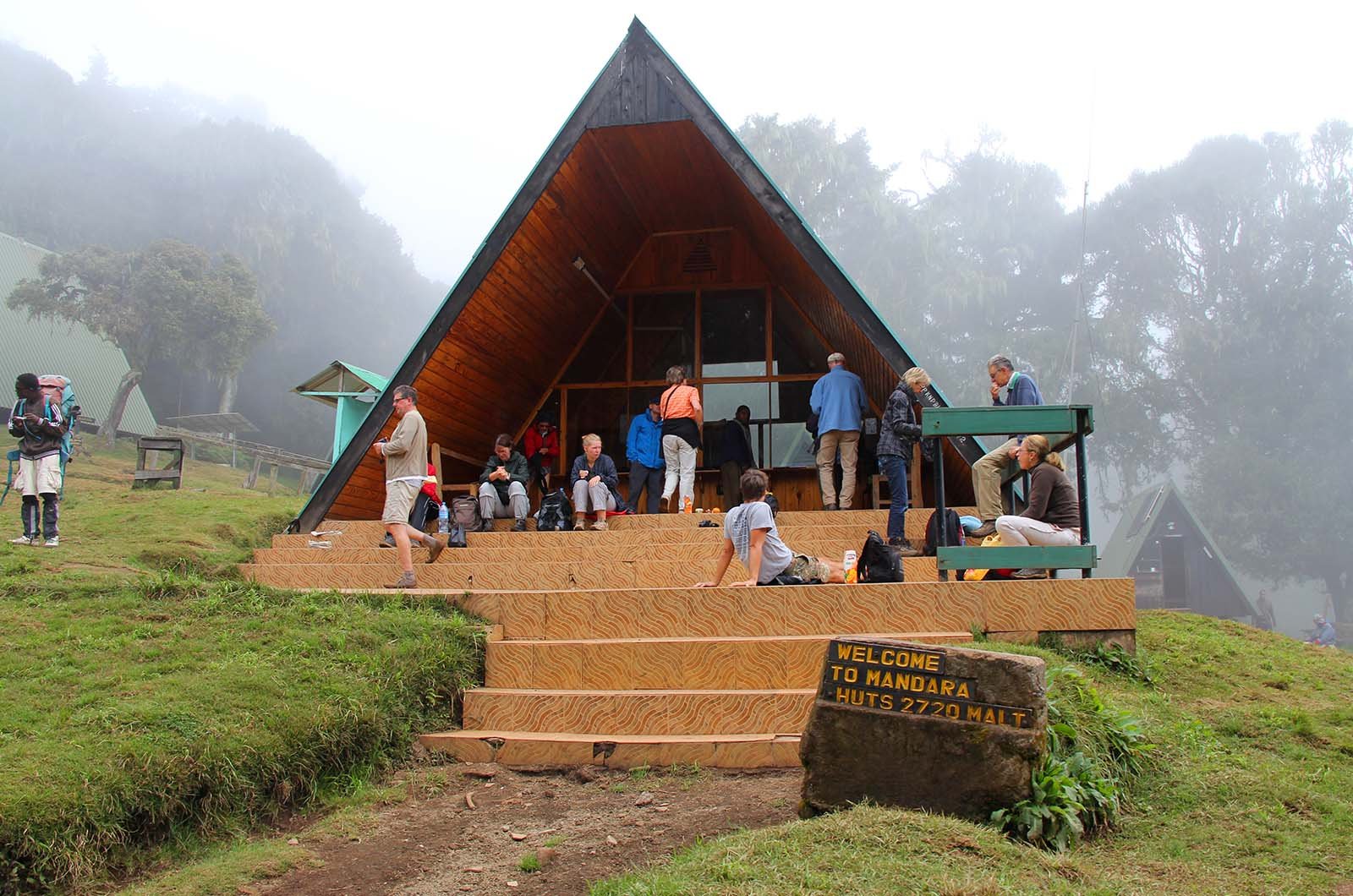
At Mandara Hut, located within the upper perimeter of the rainforest, climbers sleep in smaller triangular A-frame cabins spaced between giant heather trees. Mattresses are vinyl-covered foam pads laid out on sturdy wooden bunk frames. At Horombo Hut, the camp spreads out like a bustling alpine village along a windy spur. Because Horombo hosts both ascending and descending trekkers, the atmosphere in the shared dining halls is animated, filled with climbers sharing summit reports over cups of hot ginger tea.
By contrast, Kibo Hut is built from heavy stone blocks to insulate against harsh alpine winds in the high desert saddle. The quarters here are dormitory-style. Trekkers rest shoulder to shoulder from late afternoon until the 11:00 PM summit wake-up call. There is no running water at Kibo due to deep freezing; our mountain crew carries all cooking, drinking, and washing water up from the last water point below Horombo.
Check Availability for 6 Days Marangu Route Kilimanjaro Group Joining – 1–6 December 2026-2027
Ready to compare dates, prices, and the best option for your group? Send the package name and travel month so the team can reply with a clear quote, availability, and what is included.
6 Days Marangu Route Kilimanjaro Group Departure – 16–21 December 2026-2027
6 Days Marangu Route Kilimanjaro Group Departure – 16–21 December 2026 is explained with current 2026-2027 planning, price, itinerary and booking information.
View package details
5 Days Marangu Route Kilimanjaro Group Climb – 8–12 December 2026-2027
5 Days Marangu Route Kilimanjaro Group Climb – 8–12 December 2026 is explained with current 2026-2027 planning, price, itinerary and booking information.
View package details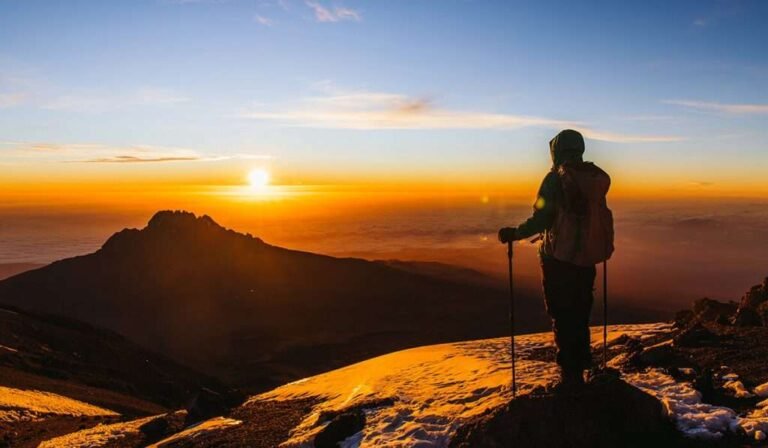
6 Days Machame Kilimanjaro Group Joining – 12–17 December 2026-2027
6 Days Machame Kilimanjaro Group Joining – 12–17 December 2026 is explained with current 2026-2027 planning, price, itinerary and booking information.
View package details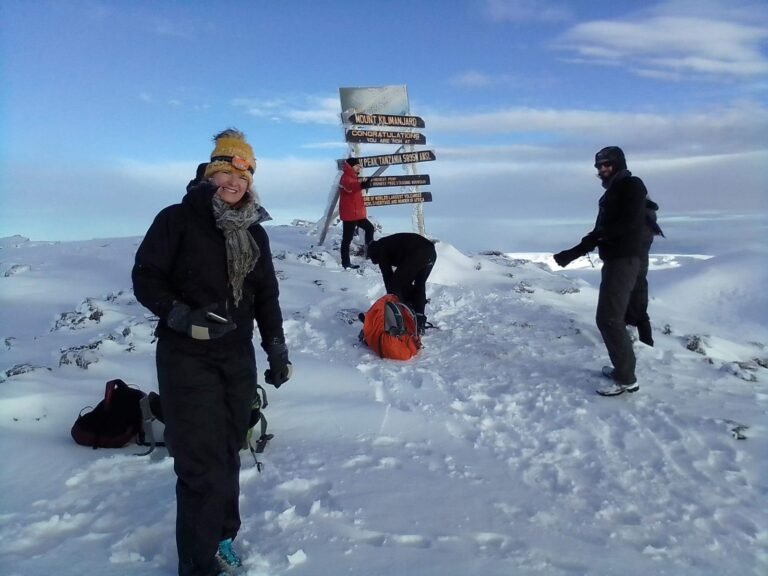
6 Days Machame Route Kilimanjaro Group Trek – 3–8 December 2026-2027
A detailed guide to the 6-day Machame Route Kilimanjaro group trek departing 3–8 December 2026, covering route details, daily itinerary, preparation, and booking.
View package details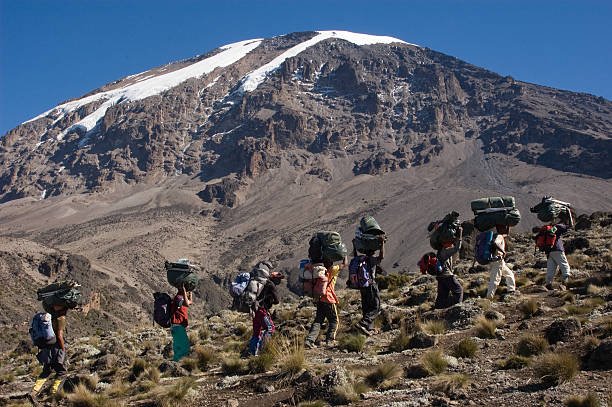
6 Days Marangu Kilimanjaro Group Hiking – 9–14 December 2026-2027
6 Days Marangu Kilimanjaro Group Hiking – 9–14 December 2026 is explained with current 2026-2027 planning, price, itinerary and booking information.
View package details
8 Days Lemosho Route Kilimanjaro Group Departure – 12–19 December 2026-2027
A detailed guide to the 8-day Lemosho Route Kilimanjaro group climb departing 12–19 December 2026, covering route details, daily itinerary, acclimatization strategy, and what to expect.
View package details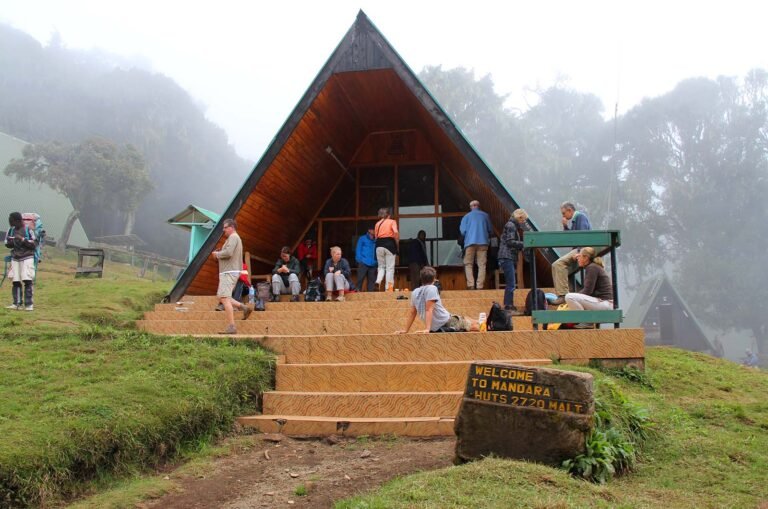
7 Days Machame Kilimanjaro Full Moon Group Joining – 19–25 December 2026-2027
7 Days Machame Kilimanjaro Full Moon Group Joining – 19–25 December 2026 is explained with current 2026-2027 planning, price, itinerary and booking.
View package details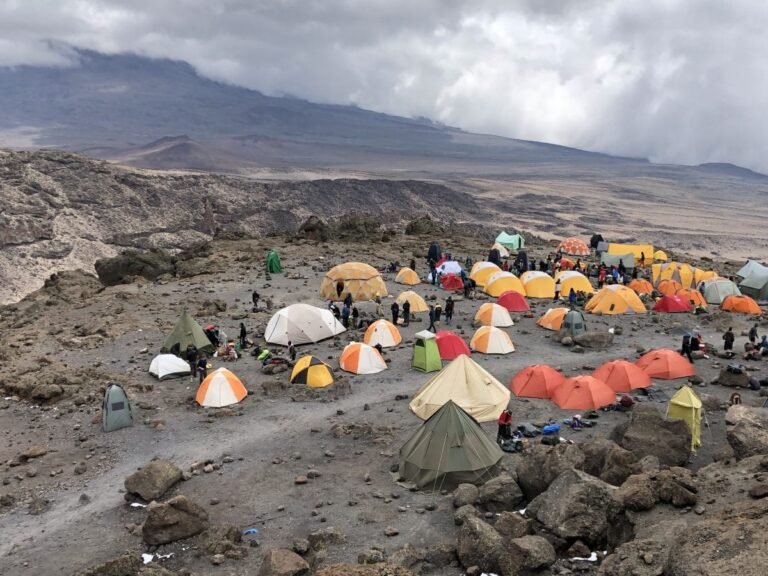
7 Days Lemosho Route Kilimanjaro Group Climb – 3–9 December 2026-2027
7 Days Lemosho Route Kilimanjaro Group Climb – 3–9 December 2026 is explained with current 2026-2027 planning, price, itinerary and booking information.
View package details7 Days Machame Kilimanjaro Group Joining – 30 December – 5 January 2026-2027
7 Days Machame Kilimanjaro Group Joining – 30 December 2026 – 5 January 2027 is explained with current 2026-2027 planning, price, itinerary and booking.
View package details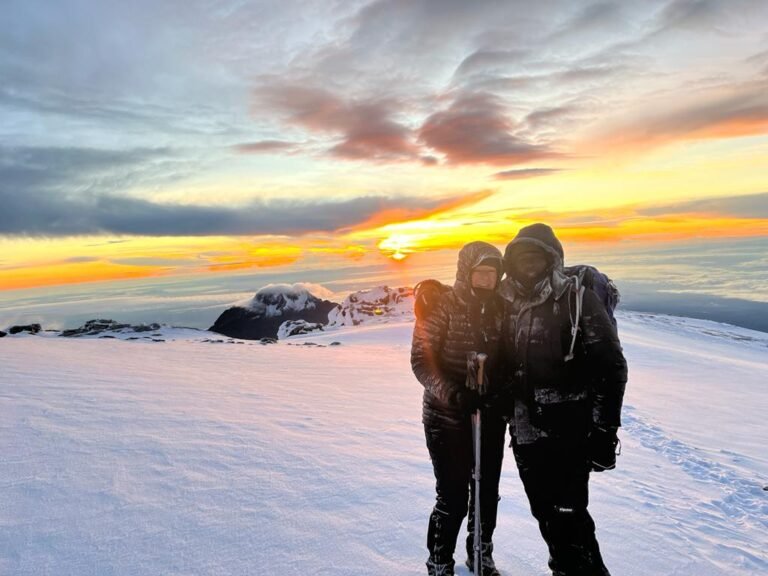
8 Days Lemosho Kilimanjaro Group Joining – 29 December – 5 January 2026-2027
8 Days Lemosho Kilimanjaro Group Joining – 29 December 2026 – 5 January 2027 is explained with current 2026-2027 planning, price, itinerary and booking.
View package details8 Days Lemosho Route Kilimanjaro Group Climb – 15–22 December 2026-2027
8 Days Lemosho Route Kilimanjaro Group Climb – 15–22 December 2026 is explained with current 2026-2027 planning, price, itinerary and booking information.
View package details7 Days Lemosho Kilimanjaro Group Joining – 12–18 December 2026-2027
7 Days Lemosho Kilimanjaro Group Joining – 12–18 December 2026 is explained with current 2026-2027 planning, price, itinerary and booking information.
View package detailsNo closely related package is available yet for this topic.

Our Guest Reviews, Currently Feedback from Clients in 2026
Reviews from different sources, including Google Business, Tripadvisor, other platforms, and social media.