
Yes, you can combine Ndutu and Ngorongoro Crater in four days, provided you travel during the calving window between late December and late March and use a private, well-routed 4×4 Land Cruiser departing from Arusha or Karatu. Because the Ndutu plains sit inside the western Ngorongoro Conservation Area, this route eliminates the long transit corridors required for Central or Northern Serengeti, allowing you to dedicate two full nights to off-road predator tracking and wildebeest calving in Ndutu and one night on the rim or in Karatu for an early descent into Ngorongoro Crater. For 2026-2027, a typical four-day private mid-range safari ranges between $1,650 and $2,450 per person on a double-occupancy basis, depending on camp selection and vehicle logistics.

The Geographic Reality: Why a 4-Day Ndutu and Ngorongoro Route Works
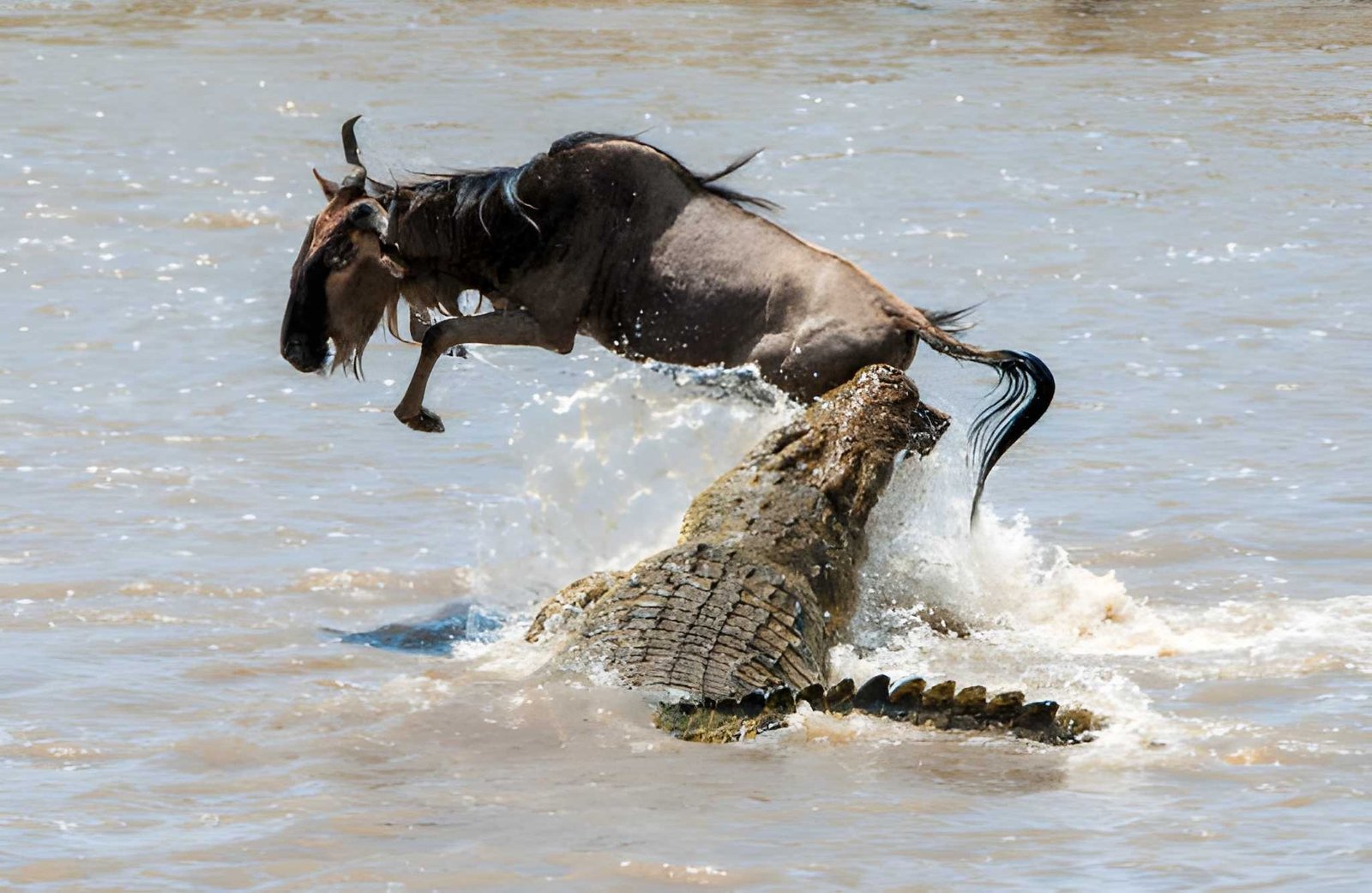
Many travelers planning a short northern Tanzania safari assume that seeing both the Great Migration and the Big Five requires at least six to eight days on the road. That assumption holds true when the migration herds roam the northern Serengeti near the Mara River or graze in the distant western corridor. However, the geographic alignment shifts dramatically between late December and early April. During these months, the massive herds of wildebeest and zebra concentrate on the short-grass plains surrounding Lake Ndutu and Lake Masek.
Geographically, the Ndutu region is not an isolated outpost; it straddles the unfenced border between the southern Serengeti National Park and the western reaches of the Ngorongoro Conservation Area (NCAA). Because Ndutu falls largely under the administrative jurisdiction of the NCAA, travelers heading there pass directly through the Ngorongoro highlands. You do not need to detour around distinct mountain ranges or bypass one park to reach another. The highway from Arusha climbs straight up the Great Rift Valley escarpment, cuts through the mist forests of the Ngorongoro rim, drops down the western slopes past Olduvai Gorge, and empties directly into the southern acacia scrub and open plains.
This shared boundary makes combining Ndutu and Ngorongoro Crater in a tight four-day window practical rather than rushed. If you were attempting to combine Central Serengeti (Seronera) with Ngorongoro in four days, you would spend an excessive percentage of your daylight hours driving back and forth across transit corrugated roads. By contrast, a focused four-day circuit concentrating on Ndutu keeps your vehicle stationed within the active grazing herds, followed by a logical, staged retreat back through the highlands to tackle the crater floor.
Understanding this route requires recognizing how park fees and boundary permits operate. When you book a Ngorongoro Crater safari with private 4×4 Land Cruiser, your permits must account for both the NCAA daily conservation fee and the separate crater service fee. Because Ndutu sits within the conservation area boundary, your access permits can often be coordinated efficiently without paying double entry penalties, provided your tour operator sequences your entry gates and exit timestamps correctly.
The Optimized 4-Day Ndutu & Ngorongoro Itinerary Blueprint
Attempting this journey without a tight, hourly schedule often leads to missed game drives or exhaustion from bumpy tracks. To extract the maximum wildlife viewing from ninety-six hours, your itinerary must prioritize early departures, strategic camp positioning, and minimal backtrack driving. Below is the field-tested operational blueprint used for private departures during the calving season.
Day 1: Arusha or Karatu to Southern Plains (Ndutu)
Your safari begins with an early pickup at 06:30 from your hotel in Arusha, or 08:00 if you rested the previous night in Karatu. Leaving early allows your guide to clear the NCAA Loduare Gate before mid-morning safari traffic builds up. The route climbs through the montane forest of the crater rim, offering sweeping viewpoints before descending through the Malanja depression toward Olduvai. You reach the short-grass plains of Ndutu by early afternoon. After checking into your mobile tented camp and enjoying a hot lunch, you head out for an afternoon game drive across the acacia-fringed lakeshores where cheetahs and big cat prides actively hunt among thousands of grazing wildebeest. Overnight: Mobile Tented Camp in the Ndutu region.
Day 2: Full-Day Deep Exploration of the Ndutu Plains
You depart camp at first light (06:00 to 06:30) with a packed breakfast or return to camp mid-morning. Ndutu is one of the few conservation zones where responsible off-road driving is permitted in specific sectors, allowing your guide to track predators such as leopards along the twin lakes or cheetahs patrolling the open flats. Unlike rigid itineraries that enforce strict camp meal schedules, a full day here gives you the latitude to stay with an active lion pride or observe newborn calves taking their first steps. Midday heat slows predator movement, providing an opportunity for camp rest before an intensive late-afternoon tracking session until sunset at 18:30. Overnight: Mobile Tented Camp in the Ndutu region.
Day 3: Ndutu Plains to Ngorongoro Crater Rim
After an early-morning game drive around the marshes of Lake Masek or Lake Ndutu, you return to camp for brunch and pack your duffel bags. By 11:00, you begin your transit drive back across the rolling plains toward the Ngorongoro highlands. Along the way, travelers interested in cultural interactions can arrange an educational visit via our Ngorongoro Crater and Maasai village itinerary. You ascend the western crater rim by late afternoon, arriving at your lodge or rim camp before temperatures plummet. The high elevation provides panoramic views across the caldera floor, allowing you to rest early in anticipation of the dawn descent. Overnight: Safari Lodge on the Crater Rim or in Karatu.
Day 4: Ngorongoro Crater Floor Descent to Arusha
Set an early alarm for a 05:45 breakfast to reach the crater descent road the moment gates open at 06:00. Dawn is the absolute peak window for black rhino sightings and spotted hyena activity on the floor. You spend five to six hours exploring the varied habitats within the 260-square-kilometer caldera: searching for tusker elephants in the Lerai Forest, scanning the saline expanse of Lake Magadi for flamingos, and checking the pride movements around the hippo pools. After a picnic lunch near the Ngoitokitok spring, you ascend the steep crater wall by 12:30 and complete the four-hour highway drive back to Arusha, arriving by 17:30 to 18:30 for your onward international flight or domestic connection to Zanzibar.
Travelers considering alternative durations often compare this flow to our shorter 3-day Ndutu and Ngorongoro Crater safari from Arusha. While a three-day tour is physically possible, it forces you to spend roughly sixty percent of your waking hours inside a moving vehicle, leaving only a single afternoon and a brief morning for Ndutu itself. Four days represents the true sweet spot for balancing physical stamina with high-value game viewing.
Seasonal Viability: When This 4-Day Combination Makes Sense (and When It Fails)
You cannot book this specific four-day itinerary year-round. Wildlife movement dictated by regional rainfall makes Ndutu an exceptional wildlife theater during certain months and an empty, arid landscape during others. Understanding the seasonal calendar is crucial so you do not invest significant funds expecting millions of animals in a zone they vacated months prior.
Calving Season Calendar: Month-by-Month Viability
- Late December to Mid-January: The migration herds drift south across the central plains into Ndutu following the short rains. Numbers build steadily. Grass is fresh, predator interactions ramp up, and migratory bird populations are outstanding. Verdict: Highly Recommended.
- Late January through February: Peak calving window. Roughly 8,000 wildebeest calves are born every single day across an intensive three-week span. Cheetahs, lions, hyenas, and leopards converge on the flats. Wildlife density is among the highest in Africa. If you plan to see baby wildebeest in Ndutu during February, confirm your camp bookings nine to twelve months in advance for 2026-2027. Verdict: Prime Operational Window.
- March: The herds remain spread across the Ndutu plains and southern Serengeti borders, though grazing pressure begins to push them toward transitional corridors. Occasional afternoon downpours arrive, transforming the soil into sticky black-cotton mud. Excellent predator numbers and fewer vehicle crowds than February. Verdict: Highly Recommended.
- April to Mid-May: The long rains set in heavily. The short-grass plains turn waterlogged, and the migration moves northward into the Moru Kopjes and the Western Corridor. Most seasonal mobile camps in Ndutu pack up and dismantle their infrastructure. Verdict: Do Not Book (Reroute to Central Serengeti).
- June to November: Ndutu is bone-dry, dusty, and largely devoid of the great herds. While resident wildlife (giraffes, impalas, bat-eared foxes) remains, spending two nights of a four-day safari here during the dry season is inefficient. If traveling during these months, our classic 4-day Serengeti and Ngorongoro Crater safari focusing on Central or Northern Serengeti is the correct logistical choice. Verdict: Not Recommended for 4-Day Durations.
Ngorongoro Crater, on the other hand, operates under an entirely different ecological system. The caldera walls form an enclosed sanctuary with permanent water springs, supporting roughly 25,000 resident large mammals year-round. Consequently, whether you descend into the crater in February or September, resident populations of black rhinos, lions, cape buffalo, zebras, and hippos remain stable. The limiting factor in this four-day equation is never the crater; it is strictly Ndutu’s seasonal migration cycle.
Drive Times, Road Conditions, and Transit Fatigue
The single greatest operational barrier on a short Tanzania safari is road conditions. When reviewing a map, the distance between Arusha and Ndutu looks deceivingly modest: approximately 260 to 280 kilometers. Many first-time visitors translate this distance using highway standards, assuming a three-hour drive. In reality, northern Tanzania’s safari network transitions quickly from smooth tarmac to challenging off-road terrain.
| Leg of the Journey | Approximate Distance | Average Drive Time | Road Surface Type | Key Driver Considerations |
|---|---|---|---|---|
| Arusha to Karatu | 140 km | 2.0 to 2.5 hours | Smooth Asphalt Highway | Police speed traps (50 km/h zones), scenic farming areas |
| Karatu to Ngorongoro Gate (Loduare) | 15 km | 20 to 30 minutes | Smooth Paved Ascending Road | NCAA document verification and park fee clearances |
| Loduare Gate to Crater Viewpoint | 18 km | 40 to 50 minutes | Steep Gravel / Murram | Misty, humid rainforest; slow-moving heavy supply trucks |
| Crater Rim to Olduvai Junction | 45 km | 1.5 to 2 hours | Heavily Corrugated Dirt | Washboard ruts; vibration fatigue; dry volcanic dust |
| Olduvai Junction to Ndutu Camps | 40 to 60 km | 1.5 to 2.5 hours | Unpaved Sand, Silt, Black Cotton | Navigational tracks; muddy ruts during rain; off-road sections |
| Ndutu to Crater Floor Descent Gate | 85 km | 2.5 to 3 hours | Corrugated Dirt & Steep Track | Must depart Ndutu by 06:00 to reach crater early |
As outlined in the transit matrix above, the journey between the Ngorongoro rim and the Ndutu plains consists of gravel roads known for severe washboard corrugations. These vibrations shake loose luggage and cause physical fatigue. A durable, heavy-duty 4×4 vehicle with raised ground clearance and reinforced leaf springs is non-negotiable. Top Guide Adventures outfits its fleet with custom long-base Toyota Land Cruisers fitted with high-lift jacks, dual spare wheels, and pop-up observation roofs designed specifically to navigate these challenging stretches safely.
Rain can instantly double drive times across the Ndutu marshlands. The underlying soil consists of volcanic ash mixed with clay, forming a slick substance commonly known as black-cotton mud. Standard all-wheel-drive vehicles instantly lose traction here. Even seasoned safari drivers frequently need to lock differentials, lower tire pressures, and utilize kinetic recovery ropes. Building margin into your schedule avoids driving through wildlife zones after dark, which violates NCAA regulations and jeopardizes passenger safety.
Budgeting and Inclusions for 2026-2027
Planning a four-day expedition requires transparency regarding pricing structures, especially given the distinct fees enforced by the Ngorongoro Conservation Area Authority. Safaris to this region carry premium statutory conservation tariffs, making it impossible to operate a legitimate, insured private 4×4 trip below certain fixed expense thresholds.
For planning budgets across the 2026 and 2027 travel seasons, travelers should categorize their private four-day safari costs into three distinct tiers:
- Mid-Range Tented Lodging: Expect to invest between $1,650 and $2,100 per person on a double-occupancy basis. This covers comfortable, canvas mobile camps with private en-suite flush toilets, bucket or gravity showers, and full board meals, alongside a dedicated safari guide and private Land Cruiser.
- Luxury Mobile & Permanent Lodges: Priced from $2,450 to $3,800+ per person. These operators provide luxury canvas suites, premium solar-powered refrigeration, gourmet bush dining, high-thread-count linens, and prime locations directly bordering Lake Masek or the rim forests.
- Budget Camping: Running approximately $1,100 to $1,400 per person. This style utilizes public or special wilderness campsites, dome tents pitched on the ground, a company safari chef, and communal sanitary facilities. Given the remote location of Ndutu and chilly highland nights near the crater, dome camping requires an adventurous mindset and good gear.
To evaluate operator quotes accurately, understand what must be included to avoid sudden out-of-pocket charges at the gate. If you have questions about standard contracts, review our detailed guide on what is included in a Ngorongoro Crater safari package. The core cost elements that make up your quote include:
Check Availability for Can I Combine Ndutu And Ngorongoro Crater In Four Days? 2026-2027
Ready to compare dates, prices, and the best option for your group? Send the package name and travel month so the team can reply with a clear quote, availability, and what is included.

3 Day Ndutu And Ngorongoro Crater Safari From Arusha 2026-2027
3 Day Ndutu and Ngorongoro Crater Safari from Arusha is explained with current 2026-2027 planning, price, itinerary and booking information.
View package details
6 Day Ndutu Serengeti And Ngorongoro Safari With Private Guide 2026-2027
6 Day Ndutu Serengeti and Ngorongoro Safari with Private Guide is explained with current 2026-2027 planning, price, itinerary and booking information.
View package details
Can I Combine Ngorongoro Crater With A Maasai Village Visit? 2026-2027
Can I Combine Ngorongoro Crater with a Maasai Village Visit? is explained with current 2026-2027 planning, price, itinerary and booking information.
View package details
7 Day Tanzania Great Migration Safari With Ngorongoro Crater 2026-2027
7 Day Tanzania Great Migration Safari with Ngorongoro Crater is explained with current 2026-2027 planning, price, itinerary and booking information.
View package detailsBest Ngorongoro Crater Safari Tours With 6 Am Game Drive 2026-2027
Best Ngorongoro Crater Safari Tours with 6 AM Game Drive is explained with current 2026-2027 planning, price, itinerary and booking information.
View package details
Is Ngorongoro Crater Better Than Serengeti For A Short Safari? 2026-2027
Is Ngorongoro Crater Better Than Serengeti for a Short Safari? is explained with current 2026-2027 planning, price, itinerary and booking information.
View package details
Best Ngorongoro Crater Safari Packages From Moshi 2026-2027
Best Ngorongoro Crater Safari Packages from Moshi is explained with current 2026-2027 planning, price, itinerary and booking information.
View package details
Ngorongoro Crater And Lake Manyara Safari With Overnight Lodge 2026-2027
Ngorongoro Crater and Lake Manyara Safari with Overnight Lodge is explained with current 2026-2027 planning, price, itinerary and booking information.
View package detailsBest Ngorongoro Crater Safari For Families With Young Children 2026-2027
Best Ngorongoro Crater Safari for Families with Young Children is explained with current 2026-2027 planning, price, itinerary and booking information.
View package details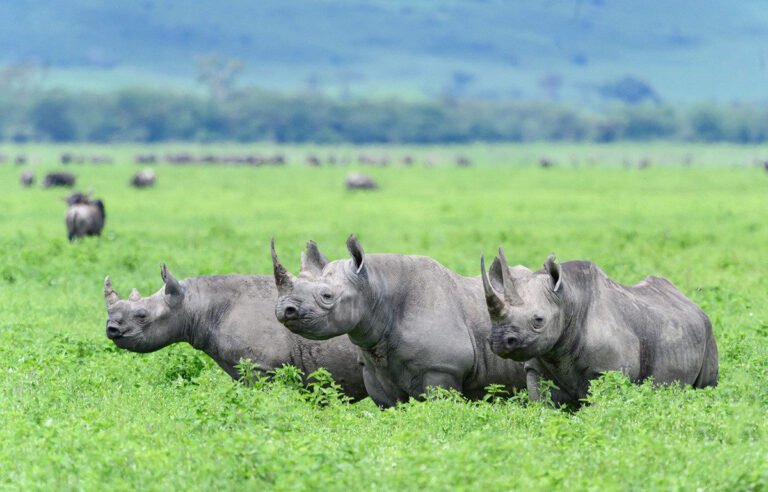
Ngorongoro Crater Safari With Private 4X4 Land Cruiser 2026-2027
Ngorongoro Crater Safari with Private 4x4 Land Cruiser is explained with current 2026-2027 planning, price, itinerary and booking information.
View package details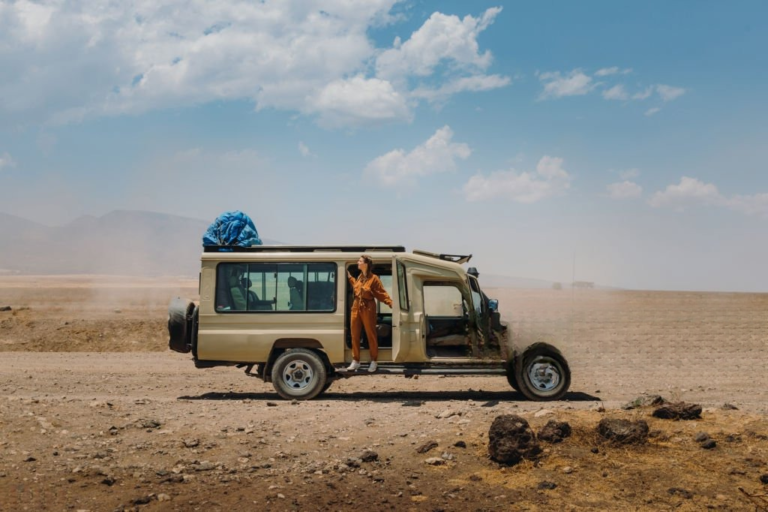
What Is Included In A Ngorongoro Crater Safari Package? 2026-2027
What Is Included in a Ngorongoro Crater Safari Package? is explained with current 2026-2027 planning, price, itinerary and booking information.
View package details
Can I See The Big Five Animals In Ngorongoro Crater? 2026-2027
Can I See the Big Five Animals in Ngorongoro Crater? is explained with current 2026-2027 planning, price, itinerary and booking information.
View package detailsNo closely related package is available yet for this topic.

Our Guest Reviews, Currently Feedback from Clients in 2026
Reviews from different sources, including Google Business, Tripadvisor, other platforms, and social media.



