
Tanzania safari packages with flexible dates and itineraries allow travelers to start any day of the week, modify their daily game drive schedules, and shift travel windows without forfeiting their entire investment if plans change. Unlike rigid group tours with non-negotiable fixed departures, flexible packages are operated either as private custom journeys or as rolling daily-departure group circuits starting from Arusha or Moshi. In 2026 and 2027, flexible mid-range packages typically range from $380 to $650 per person per day, while luxury lodge itineraries run from $750 to $1,400+ per person per day, depending on seasonal park fees, internal flights, and lodge postponement rules. The primary decision is choosing between a private safari vehicle for total on-the-ground route control or a flexible daily-joining tour to lower solo or couple costs.
Planning a safari in East Africa involves several moving parts: seasonal animal migrations, regional bush flights, mandatory national park entry permits, and boutique tented camp reservations. For many international travelers visiting Tanzania in 2026 or 2027, committing to locked calendar dates months ahead feels risky. Work commitments shift, international flight connections through hubs like Doha, Amsterdam, or Addis Ababa face disruptions, and wildlife behavior does not always align with a fixed static timetable printed in a brochure.
Understanding how date and itinerary flexibility functions in Tanzania requires looking past generic travel agency slogans. True flexibility is not just an open-ended voucher; it is an operational framework negotiated on the ground with national park authorities, safari vehicle dispatchers, and tented camp networks. When structured properly through a registered local operator in Arusha or Moshi, an adaptable safari protects your financial commitment and lets you pivot your route toward where wildlife densities are highest.
What Flexible Date and Itinerary Packages Mean in Tanzania
When travelers search for flexible safari packages, they are usually dealing with one of two distinct logistical needs. The first is date elasticity: the freedom to shift the safari start date forward or backward by several days—or even months—without losing their deposit. The second is itinerary adaptability: the ability to change the day-to-day route while in the country, spending more time in the Serengeti if a Great Migration river crossing is active, or diverting to Tarangire National Park when heavy localized rains scatter herds elsewhere.
In standard fixed-schedule tours, an operator bundles multiple unrelated travelers into a single 4×4 Land Cruiser departing on a predetermined Tuesday or Saturday. These trips follow a rigid route: one night in Manyara, two nights in Central Serengeti, one night at Ngorongoro Crater rim. If your international flight arrives a day late, you miss the departure, and catching up with the vehicle in the remote bush requires expensive private charters or separate ground transfers.
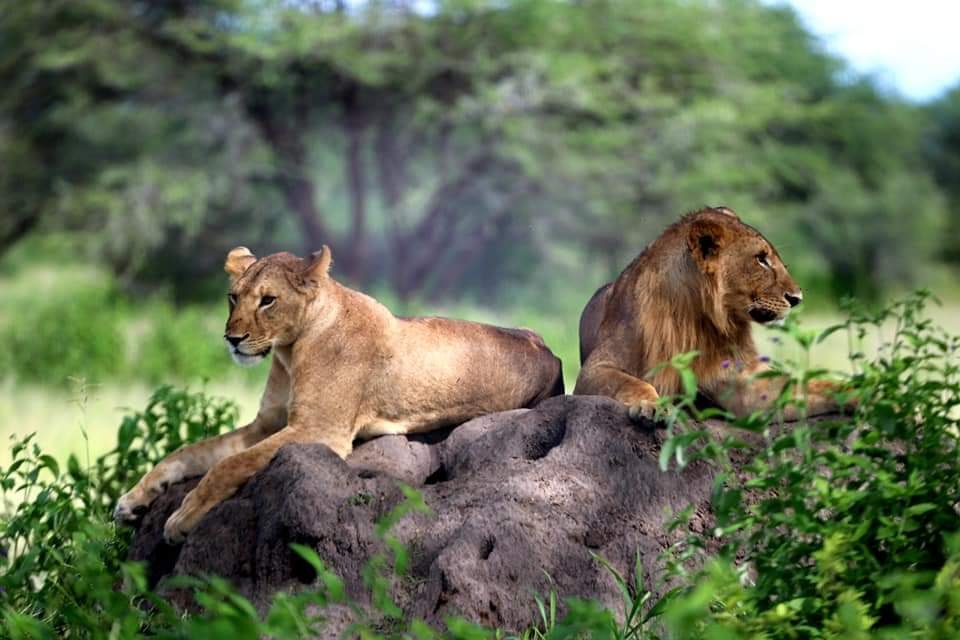
By contrast, Tanzania safari packages with built-in flexibility are designed around your personal arrival time at Kilimanjaro International Airport (JRO) or Arusha Airport (ARK). You decide the pace. If your party wants to spend an entire uninterrupted day tracking a pride of lions in the Seronera Valley rather than adhering to a strict camp checkout schedule, your private driver-guide can adjust the game drive hours accordingly.
Local Specialist Insight: True itinerary flexibility requires a dedicated private vehicle and driver-guide. While shared group tours can offer flexible start dates via daily departures, their internal daily route must remain rigid to accommodate the other passengers sharing the vehicle.
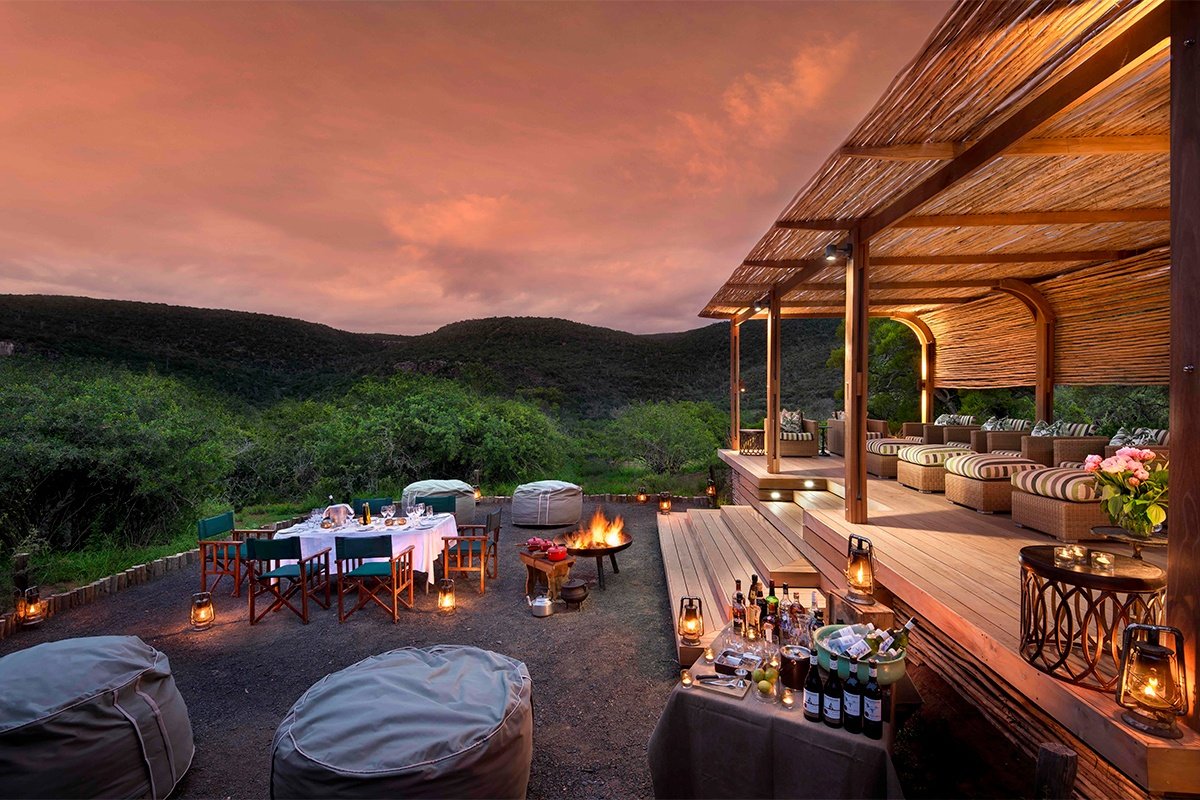
Another vital layer of flexibility involves accommodation tiers. In a bespoke flexible package, your operator holds allocations across trusted partner camps. If unexpected weather makes an access road impassable or if you decide mid-trip to upgrade from basic camping to an authentic permanent tented lodge, an operator with local roots can make those phone calls directly from the Arusha operations desk, avoiding third-party agency delays in foreign time zones.
Cost Architecture: How Flexibility Affects Safari Pricing in 2026-2027
A common misconception among travelers is that flexibility carries an excessive surcharge. In reality, the cost of a Tanzania safari is driven by fixed statutory fees and direct vehicle expenses, not an arbitrary penalty for choosing your own dates. When booking with a direct local operator such as TOP GUIDE ADVENTURES, you are paying for the actual physical assets used: the 4×4 Land Cruiser per day, the fuel, the professional guide’s daily rate, park conservation fees, and lodge rooms.
To understand where your money goes, consider the mandatory fees established by the Tanzania National Parks Authority (TANAPA) and the Ngorongoro Conservation Area Authority (NCAA). For international visitors in 2026-2027, conservation fees for the Serengeti are approximately $70 to $82.60 per adult per 24-hour cycle (depending on season and VAT), while the Ngorongoro Crater vehicle descent fee is $295 per entry, on top of per-person conservation fees. These statutory costs do not change whether your trip is booked two days or two years in advance.
Where date flexibility does influence cost is in accommodation seasonality. East Africa operates on distinct seasonal pricing bands:
- Peak Season (July to October, late December to early January): Lodges run at high occupancy. Shifting dates during these months requires advanced notice, as boutique camps with only 8 to 12 tents sell out well ahead.
- Shoulder Season (January to March, June): Excellent game viewing, especially for the wildebeest calving season in Ndutu. Moderate flexibility; dates can usually be moved by a few days with minimal lodge resistance.
- Green Season (April to May, November): Lowest accommodation rates, often 30% to 50% below peak prices. Maximum flexibility; camps have surplus inventory, making last-minute date adjustments easiest to execute.
| Safari Travel Style | Low / Green Season (Apr–May) | Shoulder Season (Nov, Jan–Mar, Jun) | Peak Season (Jul–Oct, Dec) | Date Change Flexibility |
|---|---|---|---|---|
| Budget Camping (Shared Vehicle) | $220 – $260 | $240 – $290 | $270 – $340 | High (Daily departures allow easy date shifts) |
| Mid-Range Tented Lodge (Private) | $380 – $460 | $450 – $550 | $520 – $680 | High (Moderate notice needed in peak months) |
| Luxury Permanent Camp (Private) | $650 – $850 | $800 – $1,100 | $1,050 – $1,600+ | Medium (Subject to boutique camp availability) |
| Fly-In Bush Safari (Northern Circuit) | $750 – $950 | $890 – $1,250 | $1,200 – $1,900+ | Low to Medium (Aviation seats must be re-ticketed) |
For travelers analyzing whether to travel privately or join others, reading our detailed breakdown on private vs group joining Tanzania safari costs provides clear numerical context on vehicle allocation formulas.
Private Custom Routes vs Rolling Daily Group Joining Tours
Choosing the right safari package comes down to deciding which form of flexibility matters most to your travel party. For couples, families, and wildlife photographers, itinerary control while on game drives is paramount. For solo travelers or budget-conscious duos, calendar adaptability without paying a steep private vehicle penalty is the priority.
Option A: The Private Tailor-Made Itinerary (Ultimate In-Field Freedom)
A private package assigns a customized safari Land Cruiser and an experienced guide exclusively to your group. This is the gold standard for itinerary flexibility. If you encounter a leopard with a kill in an acacia tree in the Seronera Valley, you are under no obligation to leave because a stranger in the back seat wants to head back to camp for lunch. You control the ignition key.
Key advantages of private flexible itineraries include:
- Custom Start Dates: Depart any day of the year from Moshi, Arusha, or directly from an airstrip.
- Adjustable Daily Pacing: Choose between full-day game drives with packed bush lunches or split drives (early morning and late afternoon) with a rest at midday.
- Customized Park Selection: Skip parks that do not interest you. For instance, birdwatchers can spend extra nights in Lake Manyara or Tarangire, while big cat enthusiasts can allocate four consecutive nights to the Serengeti.
- Simple Traveler Integration: Ideal for families with young children or elders who need shorter transit times on rough gravel roads. For couples wondering about the logistics of two-person bookings, explore how to book a private Tanzania safari for just two people.
Option B: Rolling Daily Group Departures (Calendar Elasticity on a Budget)
Solo travelers and budget explorers often assume that flexibility is out of reach because private vehicles require absorbing the full cost of the car, fuel, and guide fees. However, Top Guide Adventures solves this by operating daily Serengeti, Ngorongoro, and Tarangire group departures throughout 2026 and 2027.
Because these shared itineraries launch daily from Arusha, you have calendar flexibility: you can arrive in Tanzania on a Wednesday instead of an advertised Saturday, join an active circuit immediately, and secure a window seat in an extended pop-top Land Cruiser. The trade-off is route rigidity once inside the parks; the group adheres to a shared schedule, and individual passengers cannot redirect the vehicle to a different sector of the reserve.
Comparing Your Practical Options
- Choose Private Custom if: You want control over park choices, lodge categories, daily departure hours, and wildlife viewing duration.
- Choose Daily Group Joining if: You want to pick any calendar arrival date, travel solo or as a budget pair, and pay only for an individual seat rather than the entire vehicle.
- Vehicle Exclusivity: Private tours give you 100% vehicle ownership for your booking; group tours feature up to 6 or 7 passengers with guaranteed window seating.
- Luggage Constraints: Private tours allow some flexibility with soft bags; shared tours enforce a strict 15 kg soft-sided duffel limit to preserve trunk space.
Designing an Adaptable Itinerary: Park Permits, Logistics, and Routing
Designing an itinerary that can pivot smoothly without incurring financial penalties requires understanding the geographical layout of northern Tanzania and the operational rules of TANAPA. Many travelers look at a map and assume driving between reserves is a quick highway commute. In reality, northern safari routes cover long distances over washboard gravel tracks, volcanic dust, and rocky escarpments.
A well-engineered flexible route balances drive times with high-yield game viewing corridors. The most practical northern circuit loop flows from Arusha through Tarangire, climbs the Great Rift Valley wall toward the Ngorongoro Conservation Area, and descends into the vast short-grass plains of the Serengeti.
Check Availability for Tanzania Safari Packages With Flexible Dates And Itineraries 2026-2027
Ready to compare dates, prices, and the best option for your group? Send the package name and travel month so the team can reply with a clear quote, availability, and what is included.

Best Tanzania Safari Tours With Custom Travel Itineraries 2026-2027
Best Tanzania Safari Tours with Custom Travel Itineraries is explained with current 2026-2027 planning, price, itinerary and booking information.
View package details
Where Can I Find Tanzania Safari Group Joining Tours With Fixed Dates?
Where Can I Find Tanzania Safari Group Joining Tours with Fixed Dates? is explained with current 2026-2027 planning, price, itinerary and booking information.
View package details
Tanzania Safari Packages Including Serengeti Tarangire And Ngorongoro
Tanzania Safari Packages Including Serengeti Tarangire and Ngorongoro is explained with current 2026-2027 planning, price, itinerary and booking information.
View package details
Best Tanzania Safari Tour Packages For International Travelers ( Planning
A comprehensive comparison of the best Tanzania safari tour packages for international travelers heading to East Africa in 2026-2027, covering logistics, package types, realistic budgets...
View package detailsBest Tanzania Safari Packages For And 2028 2026-2027
Best Tanzania Safari Packages for 2027 and 2028 is explained with current 2026-2027 planning, price, itinerary and booking information.
View package detailsTanzania Safari Group Joining Departures In February 2026-2027
Tanzania Safari Group Joining Departures in February 2027 is explained with current 2026-2027 planning, price, itinerary and booking information.
View package details
Tanzania Safari Tours For Solo Travelers In December 2026-2027
Tanzania Safari Tours for Solo Travelers in December 2026 is explained with current 2026-2027 planning, price, itinerary and booking information.
View package details
How Do I Join A Tanzania Safari Group From Arusha? 2026-2027
How Do I Join a Tanzania Safari Group from Arusha? is explained with current 2026-2027 planning, price, itinerary and booking information.
View package details
Can I Do A Tanzania Safari For Under $1,500 Per Person? 2026-2027
Can I Do a Tanzania Safari for Under $1,500 Per Person? is explained with current 2026-2027 planning, price, itinerary and booking information.
View package details
Tanzania Safari Cost Breakdown Including Park Fees And Accommodation 2026-2027
Tanzania Safari Cost Breakdown Including Park Fees and Accommodation is explained with current 2026-2027 planning, price, itinerary and booking information.
View package details
What Is The Cheapest Way To Book A Tanzania Safari? Guide 2026-2027
Discover how booking directly with local operators in Arusha or Moshi, joining group departures, and opting for public campsites slashes Tanzania safari costs by up to 50% for 2026-2027.
View package details
Book Tanzania Safari Tours Directly With Local Tour Companies 2026-2027
Book Tanzania Safari Tours Directly with Local Tour Companies is explained with current 2026-2027 planning, price, itinerary and booking information.
View package detailsNo closely related package is available yet for this topic.

Our Guest Reviews, Currently Feedback from Clients in 2026
Reviews from different sources, including Google Business, Tripadvisor, other platforms, and social media.



