
The best Tanzania safari packages for wildlife and cultural experiences combine northern circuit game viewing in Serengeti National Park, Ngorongoro Crater, and Tarangire with dedicated cultural interactions alongside the Hadzabe hunter-gatherers and Datoga pastoralists at Lake Eyasi, as well as genuine Maasai community areas outside tourist show-villages. For the 2026-2027 travel seasons, balanced 6 to 10-day itineraries range between $2,100 and $3,800 per person for quality mid-range lodge or canvas safari departures, while private tailored expeditions average $4,200 to $7,500 per person depending on accommodation tier and vehicle charter. The primary decision travelers face is balancing the driving hours required to reach remote indigenous settlements with active game-drive time in prime wildlife sectors.
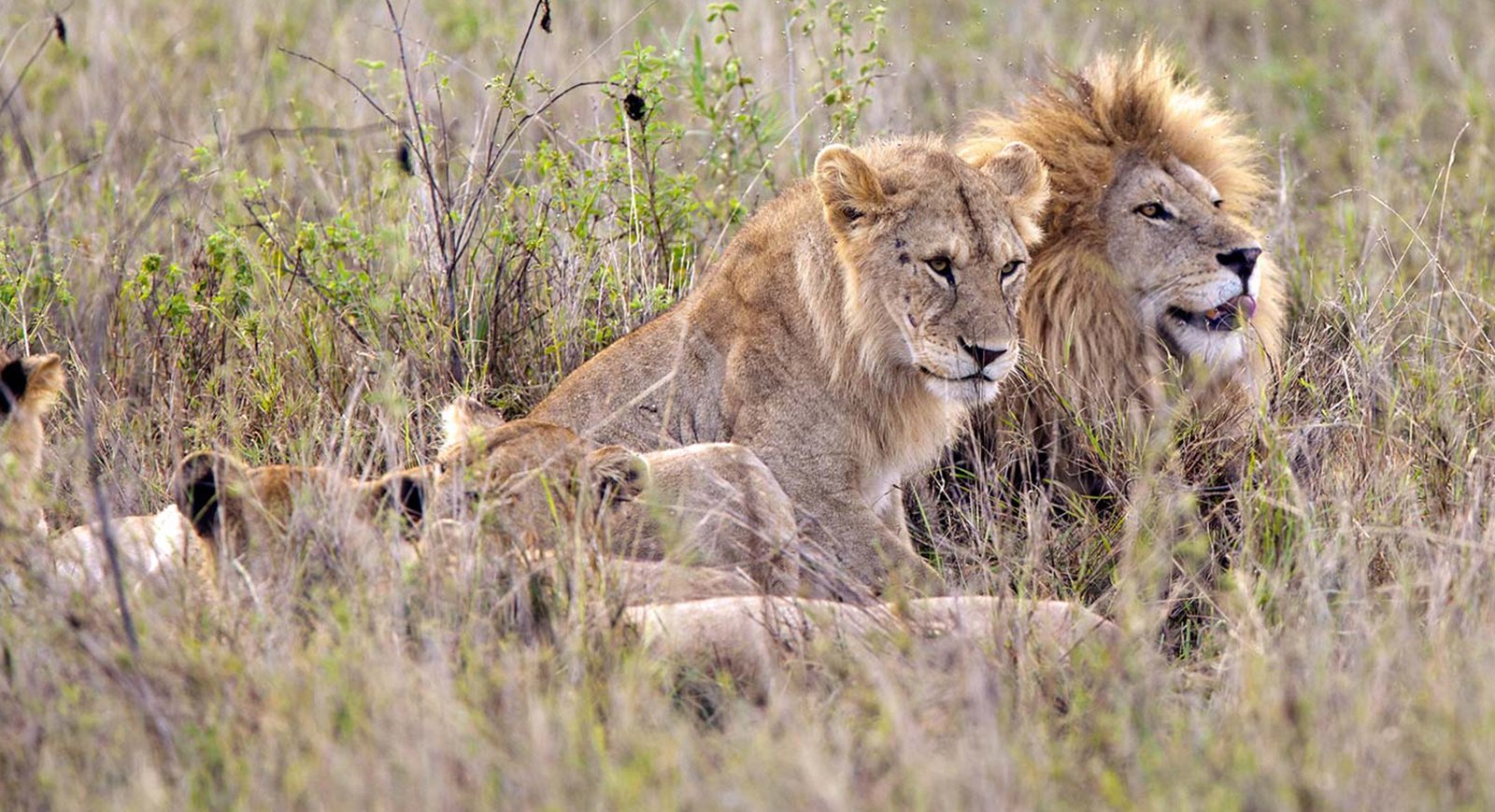
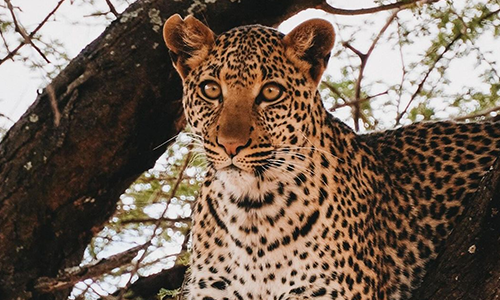
Most travelers arrive in East Africa eager to encounter the Great Migration and the iconic Big Five, yet returning visitors frequently note that early morning tracking with indigenous hunters or walking through rural pastoral plains shaped their most enduring memories. Combining wildlife tracking with deep human history is one of northern Tanzania’s greatest advantages, but it requires careful geographic planning. A standard wildlife-focused itinerary can easily become exhausting if cultural activities are treated as quick, superficial roadside stops rather than thoughtfully planned destinations.
Choosing the right safari package means recognizing that genuine cultural encounters require extra driving time away from the standard tarmac highway running between Arusha, Manyara, and the Ngorongoro Conservation Area. Rushing through a staged twenty-minute song-and-dance demonstration on the rim of Ngorongoro leaves travelers feeling conflicted, while spending a full day around the harsh, beautiful salt flats of Lake Eyasi with traditional bushmen offers an educational, deeply respectful glimpse into ancient survival systems. Below, we break down how these combination itineraries function, compare the prime circuit routes, examine true 2026-2027 operational costs, and help you select the exact itinerary structure that matches your travel priorities.
What Defines a True Wildlife and Cultural Safari Package?
A poorly constructed itinerary treats local communities as mere side stops to fill gaps between game drives. In contrast, a well-balanced wildlife and cultural safari treats human heritage and ecology as connected parts of the same East African ecosystem. When evaluating prospective itineraries for 2026-2027, look for route designs that allocate distinct calendar days and dedicated local community fees rather than tacking on “incidental village visits” while in transit.
In Tanzania, authentic encounters happen where communities retain land stewardship and live primarily according to their own traditions rather than staging shows for convoy safari trucks. This fundamental principle requires logistical adjustments:
- Dedicated Base Locations: Meaningful interaction with the Hadzabe or Datoga requires staying overnight around Lake Eyasi or Karatu, enabling you to arrive at family homesteads by 6:00 AM before hunters head out.
- Community-Managed Conservancies: For Maasai encounters, packages should route guests to community-owned concessions like Sinya (West Kilimanjaro) or Loliondo rather than high-density tourist roadsides along the main highway to Serengeti.
- Appropriate Vehicle and Driver Allocation: Your guide must be willing to shift focus from mechanical wildlife spotting to translating complex social traditions, clan lineages, and medicinal ethnobotany.
When selecting among different Tanzania wildlife safari packages with Big Five game drives, verify whether cultural elements take place in open, functional villages or inside fenced display areas built exclusively for bus tours. An authentic program supports local community funds through direct concession payments and respects family privacy by operating with small private parties rather than large coach groups.
Tanzania’s Indigenous Cultures: Which Encounters Match Your Intentions?
Tanzania is home to more than 120 distinct ethnic groups, but tourist itineraries usually concentrate on northern communities residing near wildlife corridors. Understanding the differences among these groups prevents mismatched expectations and allows you to prioritize the culture that resonates most with your educational or photography interests.
Quick Comparison of Cultural Encounters
- Hadzabe (Lake Eyasi): Hunter-gatherers using click language (unrelated to neighboring Bantu tongues). Focus: Tracking wild game on foot, traditional bow-and-arrow making, foraging for wild honey, and natural root medicine. Physical demand: Moderate to high (walking across uneven thorn scrub).
- Datoga (Lake Eyasi / Mang’ola): Skilled blacksmiths and pastoralists. Focus: Smelting scrap brass and iron into arrowheads for the Hadzabe, traditional beadwork, cattle herding techniques, and grain grinding. Physical demand: Low.
- Maasai (Rift Valley & Highlands): Semi-nomadic pastoralists known for distinctive red shúkàs and warrior lineages. Focus: Cattle rearing culture, boma architectural layout, warrior ceremonies, and rotational grazing alongside megafauna. Physical demand: Low to moderate.
- Chagga (Kilimanjaro Foothills): Agriculturalists famous for coffee farming and historic defensive cave systems. Focus: Small-plot Arabica coffee production, irrigation channels, and historic resistance against regional raids. Physical demand: Low.
The Hadzabe Hunter-Gatherers of Lake Eyasi
The Hadzabe represent one of the last remaining hunter-gatherer societies on earth, numbering between 1,000 and 1,500 individuals in total, with only a small proportion still living entirely off wild subsistence. They do not maintain livestock, plant crops, or build permanent stone structures. Their camps are seasonal shelters constructed of woven branches and dried grass, moved according to the distribution of game and ripening of baobab fruit.
Joining a Hadzabe hunting party is not a sedentary lecture. Travelers who select safari packages including Lake Eyasi must be prepared to step out of the safari vehicle before sunrise, follow young men moving quickly through dry acacia scrub, and watch them scan rock ledges for baboons, dik-diks, or guinea fowl. You will hear their unique click language and witness fire-making using friction sticks. It is raw, direct, and unscripted. It suits active travelers who can navigate rocky, unpaved terrain and who wish to understand prehistoric human lifeways.
The Datoga Silversmiths and Pastoralists
Often sharing territory around the Eyasi basin with the Hadzabe, the Datoga provide a striking cultural contrast. While the Hadzabe focus on foraging, the Datoga are pastoralists with deep, complex metalworking traditions. Using simple bellows and charcoal hearths, Datoga smiths melt down discarded industrial scrap metal, copper tubing, and padlocks to forge functional knives, spear tips, and barbless arrow points, which they often trade to the Hadzabe in exchange for honey and animal skins.
Visiting a Datoga homestead offers insight into family compound structures, polygamous family arrangements, and hand-grinding cornmeal using heavy stone mortars. Because this encounter takes place within an established domestic compound, it requires less walking than a Hadzabe hunt and is well suited to multi-generational families or travelers with mobility restrictions.
The Maasai: Discerning Genuine Immersion from Commercial Displays
The Maasai are undoubtedly East Africa’s most visible ethnic group, but their fame has led to widespread commercial exploitation along northern tourist arteries. Many packages promise a “Maasai boma visit” between Lake Manyara and the Ngorongoro entrance gate. These stops frequently take place at commercial tourist compounds where residents line up to dance in exchange for entry fees, followed by aggressive sales pitches for souvenir beadwork.
If Maasai pastoralism is a top priority for your 2026-2027 safari, insist on itineraries that bypass roadside stalls in favor of community conservancies such as Olosokwan in northern Loliondo or private working concessions near Longido and West Kilimanjaro. Here, visits are managed cooperatively, guests are hosted by community elders, and discussions center on the complex realities of modern conservation—such as balancing livestock pasture with expanding elephant herds and managing rotational grazing during drought periods.
Top Itinerary Models Compared: Route Flow and Pacing
Combining wide-open game viewing with community visits requires logical routing. Tanzania’s northern parks are geographically extensive; the driving distance from Arusha to central Serengeti covers over 320 kilometers, much of it on rugged gravel washboards through the Ngorongoro Conservation Area. Introducing cultural stops without expanding your travel window results in exhaustion.
The following table compares the three most effective itinerary models for combining wildlife game viewing with cultural encounters across northern Tanzania for the upcoming 2026 and 2027 seasons.
| Itinerary Style | Duration | Wildlife Parks Included | Cultural Encounters | Best Suited For |
|---|---|---|---|---|
| Essential Northern Highlights | 5 to 6 Days | Tarangire, Ngorongoro, Central Serengeti | Single-morning Eyasi visit (Hadzabe/Datoga) | First-time visitors with tight time constraints seeking key game plus a genuine human element. |
| In-Depth Wildlife & Heritage Circuit | 7 to 9 Days | Tarangire, Lake Manyara, Ngorongoro, North/Central Serengeti | Full-day Lake Eyasi, private Maasai conservancy walk | Travelers seeking unhurried game viewing, ethical community interaction, and varied ecosystems. |
| Total Bush, Culture & Coast Expedition | 10 to 12 Days | Tarangire, Serengeti, Ngorongoro Crater | Lake Eyasi tribes, Mto wa Mbu village cycling, Stone Town heritage | Honeymooners, photographers, and families pairing big game and ancestral tribes with beach relaxation. |
The 5 to 6-Day Compressed Circuit: Trade-offs and Route Flow
In a standard 5 or 6-day package, adding Lake Eyasi requires efficient logistics. A typical flow begins in Arusha, drives directly into Tarangire National Park for a full day of elephant herds and baobab landscapes, and overnights near Karatu. On day two, instead of rushing straight into the Serengeti, travelers head southwest to the shores of Lake Eyasi for an early morning tracking session with the Hadzabe, followed by an afternoon visit to a Datoga metal-working workshop.
By late afternoon on day two, you ascend through the misty rainforest ridges of the Ngorongoro Conservation Area before dropping down into the central Serengeti plains on day three. While this route fits the essential highlights into a compact window, it involves long drive times. If you are comparing this layout with shorter options, reviewing our breakdown of the best 4 day Tanzania wildlife safari from Moshi with prices helps clarify what can realistically be seen when time is tight.
The 7 to 9-Day in-depth Standard: The Balanced Choice
For most travelers planning for 2026-2027, the 7 to 9-day framework offers the ideal balance. It removes the pressure of endless afternoon transit by providing two nights at Lake Eyasi or nearby Karatu, followed by three uninterrupted nights in the Serengeti. This allows you to explore multiple wildlife habitats—such as riverine thickets along the Seronera River and open grasslands in the southern Ndutu plains or northern Mara crossings—without dropping cultural excursions.
Furthermore, an 8-day itinerary creates space to visit the agricultural crossroads of Mto wa Mbu, situated at the base of the Great Rift Valley wall. Unlike the isolated ancestral groups of Eyasi, Mto wa Mbu showcases modern, multi-ethnic Tanzanian life. Travelers can cycle through family banana plantations, inspect local rice paddies irrigated by streams flowing off the Ngorongoro highlands, and share a home-cooked lunch prepared by a women’s cooperative. For those weighing lodge standards across this duration, exploring our Tanzania mid-range safari lodge packages will clarify what comforts to expect along this route.
2026-2027 Pricing Framework: Mid-Range, Luxury, and Group Dynamics
Understanding safari pricing requires knowing how Tanzanian park fees, conservation levies, community concession fees, and vehicle operating expenses are structured. Government park entry fees, vehicle permits, and crater descent fees are fixed by national authorities like TANAPA (Tanzania National Parks Authority) and the Ngorongoro Conservation Area Authority (NCAA). Adding cultural visits introduces additional local community conservation charges, local guide payments, and village development funds.
Expected Per-Person Cost Ranges for Combination Packages (2026-2027)
The following estimates reflect realistic, fully inclusive land costs for 7-day northern wildlife and cultural programs, excluding international airfare:
- Budget Group-Joining Camping: $1,550 – $2,100 per person. Includes shared vehicle, shared dome tents at public campsites, dedicated camp cook, park entry permits, and a group visit to Lake Eyasi.
- Standard Mid-Range Lodge / Tented Camp (Small Group or Private): $2,450 – $3,850 per person. Includes private or small-group 4×4 Land Cruiser, en-suite permanent safari tents or stone cottages, all meals, all park entries, crater service fees, community fees at Eyasi, and village guide stipends.
- Upscale / Luxury Boutique Canvas: $4,500 – $8,200+ per person. Features exclusive private vehicle access, high-end seasonal migration camps with butler service, fly-in segments from Arusha or Zanzibar, private community guides, and access to exclusive conservancies.
A critical cost factor is whether you book a private vehicle or join a scheduled departure. To examine how vehicle charter fees split across different party sizes, check our detailed guide on how much extra a private safari vehicle costs in Tanzania. Solo travelers or pairs on tighter budgets often benefit from our daily group-joining safari departures, which allow individuals to split the vehicle and fuel costs while maintaining a full wildlife and cultural itinerary.
Direct Community Fees and Cultural Tipping Protocol
When assessing a quote from an operator, confirm whether village entrance fees are included. Visiting the Hadzabe and Datoga requires paying distinct community fees administered through village councils, usually totaling between $30 and $50 per person. These fees support local educational funds, solar water projects, and emergency medical reserves for indigenous families.
Tipping community elders and tracking guides is customary and should be factored into your cash budget. While your primary safari driver-guide is typically tipped between $15 and $20 per day per travel group, community guides at Lake Eyasi or local Maasai hosts are customarily tipped between 20,000 and 40,000 Tanzanian Shillings ($8 to $15 USD) per group for their morning tracking sessions.
Check Availability for Best Tanzania Safari Packages For Wildlife And Cultural Experiences…
Ready to compare dates, prices, and the best option for your group? Send the package name and travel month so the team can reply with a clear quote, availability, and what is included.

Can I Combine Ngorongoro Crater With A Maasai Village Visit? 2026-2027
Can I Combine Ngorongoro Crater with a Maasai Village Visit? is explained with current 2026-2027 planning, price, itinerary and booking information.
View package details
Tanzania Great Migration Safari Packages For Wildlife Photographers 2026-2027
Tanzania Great Migration Safari Packages for Wildlife Photographers is explained with current 2026-2027 planning, price, itinerary and booking information.
View package details
4 Day Tanzania Wildlife Safari From Moshi With Accommodation 2026-2027
4 Day Tanzania Wildlife Safari from Moshi with Accommodation is explained with current 2026-2027 planning, price, itinerary and booking information.
View package details
Tanzania Wildlife Safari Holidays With Professional English Speaking Guides
Tanzania Wildlife Safari Holidays with Professional English Speaking Guides is explained with current 2026-2027 planning, price, itinerary and booking.
View package details
Affordable Tanzania Wildlife Safari Holidays For Small Groups 2026-2027
Affordable Tanzania Wildlife Safari Holidays for Small Groups is explained with current 2026-2027 planning, price, itinerary and booking information.
View package details
Tanzania Wildlife Safari Packages With Big Five Game Drives 2026-2027
Tanzania Wildlife Safari Packages with Big Five Game Drives is explained with current 2026-2027 planning, price, itinerary and booking information.
View package details
7 Day Tanzania Great Migration Safari With Ngorongoro Crater 2026-2027
7 Day Tanzania Great Migration Safari with Ngorongoro Crater is explained with current 2026-2027 planning, price, itinerary and booking information.
View package details
Best Private Tarangire Safari Tours For Wildlife Photographers 2026-2027
Best Private Tarangire Safari Tours for Wildlife Photographers is explained with current 2026-2027 planning, price, itinerary and booking information.
View package details
Best Southern Serengeti Safari Tours For February Wildlife Photography
Best Southern Serengeti Safari Tours for February Wildlife Photography is explained with current 2026-2027 planning, price, itinerary and booking information.
View package details
Best Ndutu Safari Packages For Wildlife Photography 2026-2027
A field-tested planning guide comparing the best Ndutu safari packages for wildlife photography in 2026-2027, detailing seasonal movements, off-road driving permits, customized vehicle...
View package details
Best Time To Book A Tanzania Wildebeest Migration Safari () 2026-2027
A detailed local guide breaking down exactly when to reserve your Tanzania Great Migration safari for 2026-2027, covering lead times, seasonal bottlenecks, camp positioning, and park...
View package details
Best Tanzania Great Migration Safari Packages For : Routes, Costs & Expert
A comprehensive local operator guide to choosing the best Tanzania Great Migration safari packages for 2027, featuring seasonal movement patterns, price comparisons, and practical itinerary...
View package detailsNo closely related package is available yet for this topic.

Our Guest Reviews, Currently Feedback from Clients in 2026
Reviews from different sources, including Google Business, Tripadvisor, other platforms, and social media.



