
The best Northern Tanzania safari packages from Arusha are circuit itineraries spanning 3 to 7 days that link Tarangire National Park, Lake Manyara, the Ngorongoro Crater, and the Serengeti. For 2026-2027, standard rates range from $200 to $350 per person per day for budget shared-camping departures, $400 to $650 per day for comfort mid-range lodges, and $800 to $1,500+ per day for premium luxury tented camps. Your primary logistical choice is deciding between a classic overland driving circuit (best for seeing diverse landscapes and saving money) or a fly-in safari returning by bush plane (essential if you have under five days and want maximum game time in the Serengeti without losing full days to bumpy road transfers).
Why Arusha is the Engine of the Northern Circuit
Arusha serves as the operational nerve center for every major wildlife safari across northern Tanzania. Situated directly in the shadow of Mount Meru, this vibrant regional hub sits between Kilimanjaro International Airport (JRO)—located roughly 50 kilometers to the east—and the great wildlife reserves spanning westward toward Lake Victoria.
When booking safari packages originating here, your journey begins either right out of an urban hotel in Arusha town or directly from Arusha Airport (ARK), the local domestic strip that dispatches daily turboprop bush flights to remote airstrips inside national parks. Operating your departure directly out of Arusha delivers clear strategic advantages:
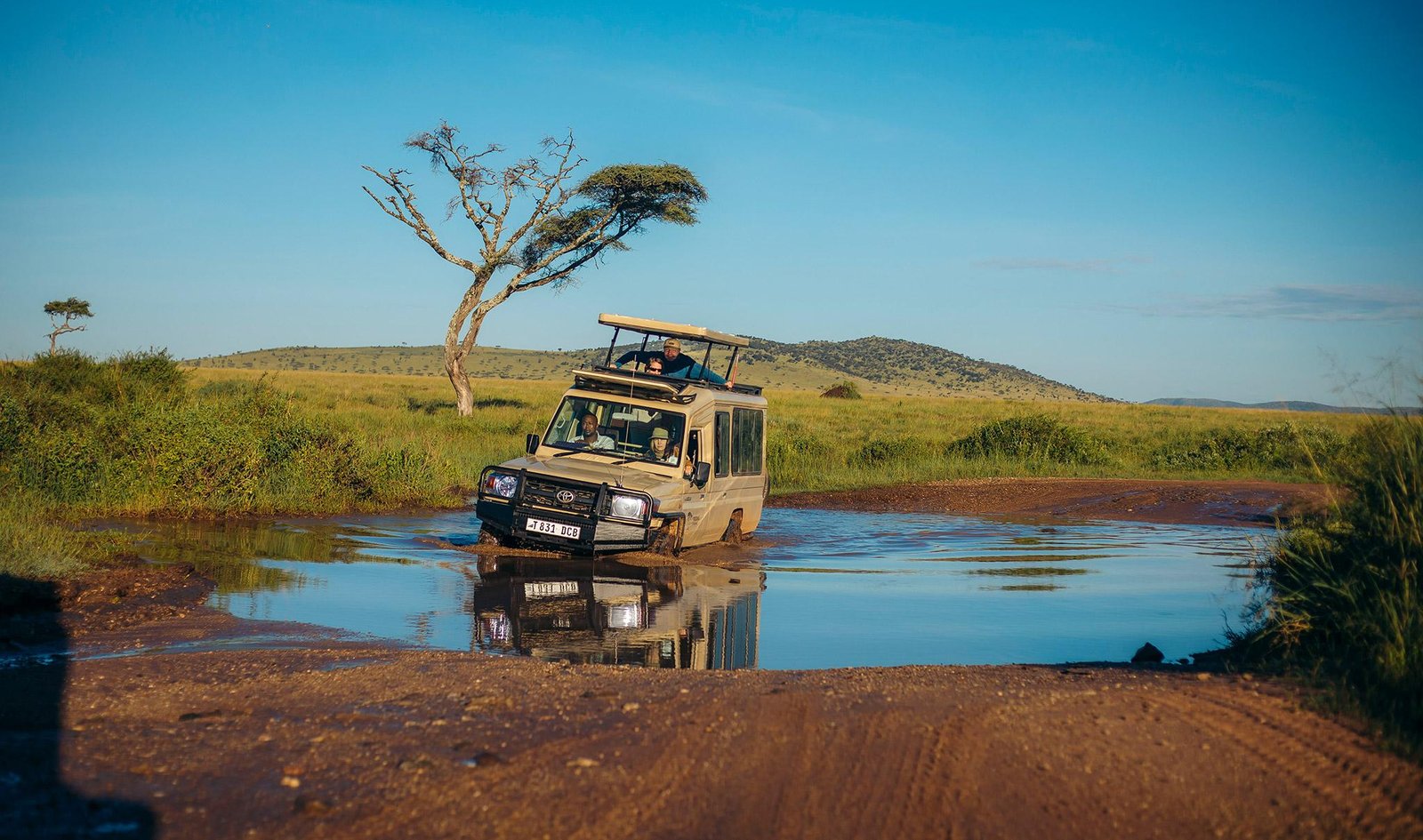
- Vehicle and equipment integrity: Reputable local operators base their custom-built, heavy-duty 4×4 Toyota Land Cruisers in Arusha workshops, ensuring full mechanical checks, tire changes, and suspension maintenance before your wheels touch rough gravel tracks.
- Direct departures without dead driving days: Leaving from Arusha puts your Land Cruiser at the entrance gates of Arusha National Park within 45 minutes, Tarangire within 2.5 hours, and Lake Manyara within 2 hours, maximizing your active wildlife viewing on morning one.
- Operational flexibility: Whether you arrive directly on an international flight into JRO or transfer across from a Kilimanjaro climb in nearby Moshi, organizing your start in Arusha eliminates unnecessary backtracking.
Understanding Arusha’s proximity to each conservation area prevents travel fatigue. The Northern Circuit is governed by strict gate access hours enforced by Tanzania National Parks (TANAPA) and the Ngorongoro Conservation Area Authority (NCAA). Gate closures take effect strictly at 18:00. This administrative boundary shapes how multi-day packages from Arusha must be constructed.
Core Route Blueprints: 3, 4, 5, and 7-Day Packages Compared
Selecting among the best Northern Tanzania safari packages from Arusha demands balancing driving stamina against time spent parked beside active animal sightings. A common mistake travelers make when browsing online itineraries is booking a package with too many parks shoehorned into too few days. This results in looking through dusty windows on corrugated highways rather than tracking big cats.
Here is how the standard itinerary durations function on the ground, what they practically achieve, and where their operational limits lie:
The 3-Day Express Circuit (Tarangire & Ngorongoro Crater)
A 3-day itinerary from Arusha is the minimum duration required to experience top-tier wildlife viewing without spending your entire vacation in transit. This route intentionally cuts out the Serengeti to save you 14 to 16 hours of grueling round-trip highway driving.
- Day 1: Arusha departure at 08:00 to Tarangire National Park (2.5-hour paved drive). Full afternoon game drive focusing on huge elephant herds and ancient baobabs. Overnight near Karatu or Mto wa Mbu.
- Day 2: Early descent (06:30) through the morning mist into the Ngorongoro Crater floor for a 6-hour game drive seeking black rhinos, lions, and hyenas. Late afternoon transfer back to Karatu.
- Day 3: Morning cultural walking excursion or game drive in Lake Manyara, followed by a scenic return transfer to Arusha by mid-afternoon.
- Best suited for: Travelers with limited schedules, those combining safaris with a trek, or visitors seeking an affordable private getaway. Explore our 2-day and short safari pricing guide to assess whether shorter alternatives make practical sense.
The 4-Day Mini-Circuit (Tarangire, Ngorongoro, & Quick Central Serengeti)
The 4-day trip represents the tightest itinerary that can physically incorporate the iconic Serengeti plains. It involves long stretches behind the wheel, making it viable primarily for fit travelers who do not mind rigorous transit days.
- Day 1: Arusha to Tarangire National Park for a dedicated daytime game drive; overnight stay on the Great Rift Valley escarpment.
- Day 2: Climb the highlands, skirt the crater rim, and transit out onto the endless plains of the Central Serengeti (Seronera Valley). Afternoon game drive.
- Day 3: Morning game drive along the Seronera riverbeds tracking leopards, followed by an afternoon exit transit across the Ngorongoro Conservation Area for an overnight stay in Karatu.
- Day 4: Descend into Ngorongoro Crater at dawn, conduct your 6-hour wildlife circuit, and motor back to Arusha before sundown.
The 5-Day Classic Circuit (The Northern Benchmark)
Widely regarded by local safari guides as the sweet spot for first-time visitors, a 5-day package offers a balanced, in-depth experience across the core habitats of northern Tanzania without exhausting daily road marathons.
By dedicating two full nights to the Serengeti, you gain an uninterrupted middle day entirely focused on game viewing. This allows your guide to venture far from the central tourist hubs out toward the Moru Kopjes or the western woodland corridors. Travelers wondering about budget allocations can review our detailed analysis on 5-day safari costs for two people.
The 7-Day Comprehensive Safari (Deep Northern Immersion)
A 7-day northern safari allows travelers to move beyond rapid highlight-chasing and settle into the rhythms of the African bush. This package provides ample runway to venture beyond Central Serengeti into seasonal areas: tracking the river crossings in the Northern Serengeti (Kogatende) from July to October, or exploring the southern calving plains (Ndutu) between January and March.
With seven full days, your itinerary eliminates mid-trip panic. If rain showers complicate tracking or animal movements slow down around midday, you have the flexibility to wait quietly beside waterholes without racing the clock to reach an exit gate hundreds of kilometers away.
Quick Comparison: Safari Package Durations
- 3-Day Package: Zero Serengeti; short drives; maximum viewing efficiency; ideal for tight budgets and weekend add-ons.
- 4-Day Package: Fast-paced; covers Serengeti highlights; involves demanding 6-to-7-hour road transit days.
- 5-Day Package: Balanced pace; 2 nights in the Serengeti; full crater descent; excellent value-to-experience ratio.
- 7-Day Package: In-depth exploration; includes seasonal migration zones (Ndutu or Mara River); slow travel with lower fatigue.
Northern Safari Package Cost Reality (2026-2027 Pricing Tiers)
Understanding how northern safari packages are priced removes mystery and protects you from hidden add-ons. Many international agencies repackage local tours at steep markups. Reviewing our analysis on whether safari prices are cheaper when booking directly with local operators reveals how local coordination yields significant cost savings.
Every itinerary cost structure is dictated by static operational expenses: park entry fees (which run from $59 to $82.60 per adult per 24 hours depending on the park), the Ngorongoro crater service fee ($295 per vehicle per descent), concession/camping fees, vehicle fuel, wear-and-tear allowances on rocky gravel tracks, and staff wages for licensed driver-guides and bush chefs.
| Safari Style Tier | Estimated Daily Cost (Per Person) | Typical Accommodation Used | Best Suited Traveler Profile |
|---|---|---|---|
| Budget Camping | $200 – $350 | Public campsites inside parks; ground dome tents with foam mattresses; shared ablutions | Solo adventurers, backpackers, young couples looking to save money |
| Mid-Range Lodge | $400 – $650 | Permanent safari lodges, solid-structure canvas tented camps with en-suite flush toilets and solar showers | Families, wildlife photographers, mature travelers wanting comfort and good sleep |
| Luxury Tented | $800 – $1,600+ | Boutique wilderness camps, private plunge pools, gourmet bush dining, high-end mobile camps | Honeymooners, travelers wanting premium amenities and secluded game-viewing sectors |
For an in-depth breakdown of standard expenses across the sector, explore our guides on safari costs per person and luxury nightly safari rates for 2026-2027.
Park-by-Park Strategic Selection: Tarangire, Manyara, Ngorongoro, or Serengeti?
A frequent dilemma when tailoring Northern Tanzania safari packages from Arusha is deciding which parks to keep and which to skip. Each protected reserve features unique geography, distinct animal populations, and varied seasonal shifts.
Tarangire National Park: Kingdom of Giants
Located just two hours southwest of Arusha along a smooth tarmac highway, Tarangire is defined by its ancient baobab trees and the seasonal Tarangire River. During the dry season from July through October, this river serves as the primary freshwater source across hundreds of square miles of the surrounding Maasai Steppe.
- Signature Wildlife: Massive elephant herds—often congregating in family groups of 30 to 50 individuals—alongside fringe-eared oryx, gerenuk, leopards, and over 550 species of birds.
- Strategic Value: It is the easiest reserve to access on day one of your safari. Starting your trip here gives you immediate, top-tier game viewing by lunch without exhausting your group on long transfers.
- Operational Reality: From late March through May, wildlife disperses out onto the surrounding plains, reducing overall animal density compared to the dry season.
Lake Manyara National Park: Rift Escarpment and Aquatics
Cradled beneath the steep 600-meter wall of the Great Rift Valley, Lake Manyara offers a compact ecosystem packed with diverse habitats. Its grounds shift rapidly from lush, underground-water-fed fig forests to alkaline soda lake shores, all within a narrow footprint.
- Signature Wildlife: Tree-climbing lions (though spotting them up in branches requires luck), olive baboon troops hundreds strong, blue monkeys, hippos, and thousands of flamingos feeding along the shallows.
- Strategic Value: It works exceptionally well as a half-day game drive stopover when breaking up the drive between Arusha and the Ngorongoro highlands.
- Operational Reality: Because the park runs narrow between the lake edge and the rift wall, the drivable road network is limited. A half-day drive is usually enough to explore the accessible sectors thoroughly.
Ngorongoro Crater: The Wildlife Amphitheater
The Ngorongoro Crater is the world’s largest intact, unflooded volcanic caldera, spanning roughly 260 square kilometers with 600-meter vertical walls. This enclosed bowl acts as a permanent natural sanctuary housing over 25,000 large mammals.
- Signature Wildlife: The highest concentration of mammalian predators in Africa, alongside Tanzania’s most reliably spotted population of endangered black rhinos. Golden jackals, spotted hyenas, and massive tusker bull elephants frequent the Lerai Forest floor.
- Strategic Value: You are virtually guaranteed to view four—and often all five—of the Big Five in a single morning game drive.
- Operational Reality: The NCAA strictly regulates descents to six hours per permit to manage traffic congestion. Temperatures on the crater rim drop significantly at night, often dipping near freezing (5°C to 8°C) between June and August. Pack warm fleece layers.
Serengeti National Park: Endless Horizons and Big Predators
Encompassing nearly 15,000 square kilometers, the Serengeti is the heart of northern Tanzanian wildlife viewing. Its open savannahs, dramatic granite inselbergs (kopjes), and gallery river systems support unmatched predator-prey dynamics year-round.
- Signature Wildlife: Large lion prides, cheetahs hunting across open grassland, elusive leopards resting in sausage trees, and roughly two million migratory wildebeest, zebras, and gazelles.
- Strategic Value: It offers true wilderness scale. Unlike smaller reserves, game drives here feel expansive, providing room to track predatory activity far from vehicle clusters.
- Operational Reality: It requires significant travel commitment. Driving from Arusha to the central Seronera region takes 7 to 8 hours through the Ngorongoro Conservation Area. To preserve your energy, plan a minimum of two nights inside the park, or choose a fly-in bush transfer back to Arusha.
Private Safaris vs. Group Joining: Practical Logistics and Trade-Offs
Choosing between a tailored private safari and a pre-scheduled group joining departure affects your overall experience, day-to-day schedule, and pricing. Neither style is universally better; each solves a distinct travel challenge.
The Reality of Group Joining Safaris
Group joining safaris offer a practical, budget-conscious way to explore Northern Tanzania without footing the bill for an entire Land Cruiser alone. You can review scheduled departure options on our safari group departures table and read our practical guide on how many people share a vehicle on group safaris.
- Cost efficiency: Vehicle running expenses, guide allowances, and transit permits are split evenly among participants, bringing daily costs down to between $200 and $280 per person for shared camping. Solo travelers avoid high single supplements, as outlined in our guide to solo safari packaging without expensive surcharges.
- Fixed pacing: Departure times, meal stops, and bathroom breaks are standardized. You operate by group consensus and cannot choose to linger at a single leopard sighting for three hours if others wish to keep moving.
- Luggage limitations: Vehicle space is tight with five to seven passengers aboard. Soft duffel bags weighing under 15 kg are mandatory; rigid suitcases simply cannot fit in the rear cargo rack alongside camp gear.
The Advantages of Private Safari Packages
Booking a private Land Cruiser gives you total command over your daily itinerary. You decide whether to set off on a dawn drive at 06:00 with packed breakfast boxes, take an afternoon rest, or adjust your routing based on local wildlife reports. For couples evaluating their choices, review our advice on couples safari options across budgets alongside our comparison on private vs group safari cost realities.
Private packages are ideal for photographers who need time to adjust lighting angles, families with young children who require flexible bathroom stops, and travelers seeking private lodge suites and tailored culinary options. You also work with a dedicated, licensed English-speaking guide whose full attention stays on your party throughout the journey, a feature explored further in our guide to booking private English-speaking guides.
Check Availability for Best Northern Tanzania Safari Packages From Arusha 2026-2027
Ready to compare dates, prices, and the best option for your group? Send the package name and travel month so the team can reply with a clear quote, availability, and what is included.

How Do I Join A Tanzania Safari Group From Arusha? 2026-2027
How Do I Join a Tanzania Safari Group from Arusha? is explained with current 2026-2027 planning, price, itinerary and booking information.
View package details
How Much Does A 2 Day Tanzania Safari Cost From Arusha? 2026-2027
How Much Does a 2 Day Tanzania Safari Cost from Arusha? is explained with current 2026-2027 planning, price, itinerary and booking information.
View package details
What Is The Cheapest Way To Book A Tanzania Safari? Guide 2026-2027
Discover how booking directly with local operators in Arusha or Moshi, joining group departures, and opting for public campsites slashes Tanzania safari costs by up to 50% for 2026-2027.
View package detailsCan I Join A Safari Group From Moshi Instead Of Arusha? 2026-2027
Can I Join a Safari Group from Moshi Instead of Arusha? is explained with current 2026-2027 planning, price, itinerary and booking information.
View package details
Are Tanzania Safari Prices Cheaper When Booking With Local Operators? Price
A detailed pricing breakdown analyzing why booking direct with Arusha-based Tanzanian safari operators cuts out international commissions, how real ground operating costs work, and what...
View package details
Best Tanzania Safari Tours With Custom Travel Itineraries 2026-2027
Best Tanzania Safari Tours with Custom Travel Itineraries is explained with current 2026-2027 planning, price, itinerary and booking information.
View package details
Tanzania Safari Packages Including Serengeti Tarangire And Ngorongoro
Tanzania Safari Packages Including Serengeti Tarangire and Ngorongoro is explained with current 2026-2027 planning, price, itinerary and booking information.
View package details
Best Tanzania Safari Tour Packages For International Travelers ( Planning
A comprehensive comparison of the best Tanzania safari tour packages for international travelers heading to East Africa in 2026-2027, covering logistics, package types, realistic budgets...
View package detailsBest Tanzania Safari Packages For And 2028 2026-2027
Best Tanzania Safari Packages for 2027 and 2028 is explained with current 2026-2027 planning, price, itinerary and booking information.
View package detailsTanzania Safari Group Joining Departures In February 2026-2027
Tanzania Safari Group Joining Departures in February 2027 is explained with current 2026-2027 planning, price, itinerary and booking information.
View package details
Tanzania Safari Tours For Solo Travelers In December 2026-2027
Tanzania Safari Tours for Solo Travelers in December 2026 is explained with current 2026-2027 planning, price, itinerary and booking information.
View package details
Can I Do A Tanzania Safari For Under $1,500 Per Person? 2026-2027
Can I Do a Tanzania Safari for Under $1,500 Per Person? is explained with current 2026-2027 planning, price, itinerary and booking information.
View package detailsNo closely related package is available yet for this topic.

Our Guest Reviews, Currently Feedback from Clients in 2026
Reviews from different sources, including Google Business, Tripadvisor, other platforms, and social media.



