
Affordable Tanzania wildlife safari holidays for small groups refer to shared northern circuit itineraries—typically spanning 4 to 7 days across Tarangire, Lake Manyara, the Ngorongoro Crater, and the Serengeti—where 4 to 6 travelers share vehicle and guiding overheads to achieve realistic rates between $200 and $420 per person per day for 2026-2027 departures. These small-group trips combine dedicated 4×4 pop-up roof safari land cruisers, professional driver-guides, daily conservation fees, and quality budget camping or mid-range permanent tented lodges, allowing travelers to experience premium wildlife game drives without paying steep private charter surcharges.
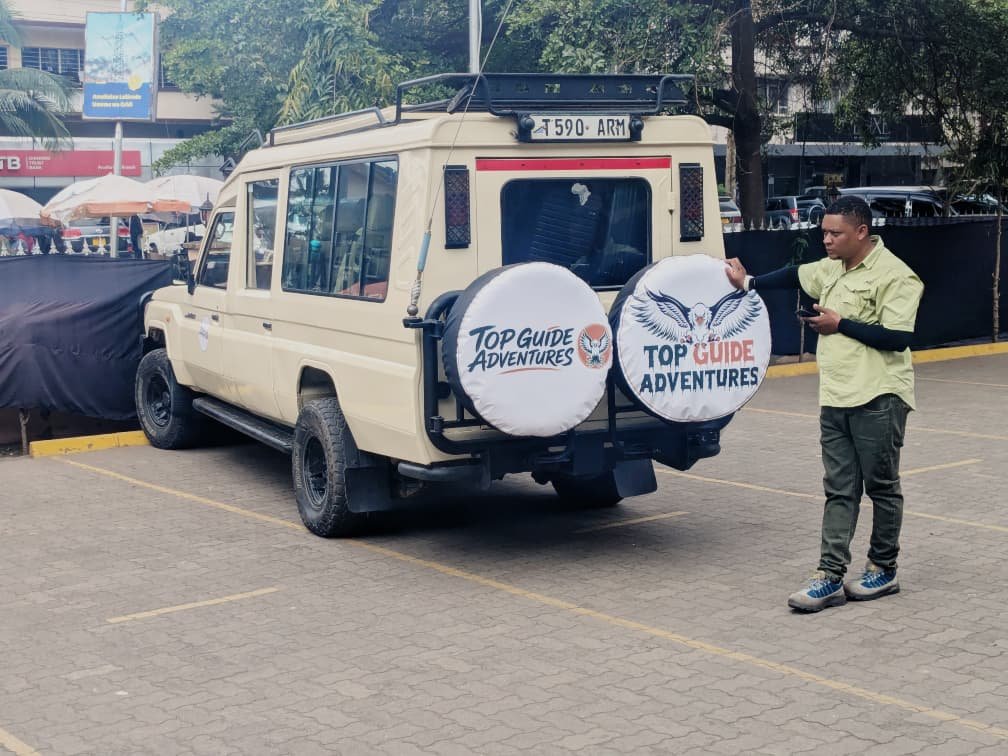

The Real Math Behind Affordable Small-Group Safaris in 2026-2027
Tanzania has earned an international reputation for high-end wilderness tourism, which frequently leads budget-conscious travelers to assume that an East African holiday is financially out of reach. While luxury private concessions in private game reserves command upwards of $1,200 to $2,500 per person nightly, the economic reality on the ground in Arusha and Moshi is straightforward. By pooling key operational expenses—chiefly the custom four-wheel-drive safari cruiser, guide wages, fuel allocations, and vehicle park transit charges—small groups can slash their per-person daily commitments dramatically without compromising the wildlife experience.
Understanding the difference between a cheap safari and an affordable Tanzania wildlife safari is critical before transferring deposits. Low-cost operators who undercut standard baseline rates often cut corners on mechanical maintenance, guide licensing, vehicle permits, or food safety in camp kitchens. Conversely, an intentional small group safari balances operational safety, window-seat guarantees, and verified park access with cost-effective accommodations. In Tanzania, the bulk of your expenditure is driven by non-negotiable statutory fees set by the Tanzania National Parks Authority (TANAPA) and the Ngorongoro Conservation Area Authority (NCAA). Operational math dictates that dividing private logistics among four to six kindred travelers provides the highest value ratio.
Expected Daily Rates for 2026-2027 Small Group Safaris:
- Basic Camping Small Group (4–6 Guests): $200 – $260 per person / day
- Mid-Range Tented Lodge Small Group (4–6 Guests): $310 – $420 per person / day
- Private Equivalent (Solo or Couple Basis): $480 – $750+ per person / day
For those looking to analyze how base rates scale across varied party configurations, reviewing how much a Tanzania safari costs per person provides broader regional baseline numbers. In small group operations, travelers avoid single supplements and heavy private-hire transport burdens, bringing world-class wilderness exploration within practical reach for independent adventurers, small friend circles, and families.
Fixed Government Fees vs. Shared Operational Costs
To accurately assess an affordable quote, a traveler must understand what cannot be discounted. When booking affordable Tanzania safari packages with local tour operators, you are paying two separate financial components: fixed government park tariffs and variable vehicle/logistical overheads.
Government statutory charges are legally mandated per individual traveler per 24-hour cycle. In places like the Serengeti National Park, adult non-resident conservation fees sit at roughly $70 to $82.60 per day (inclusive of 18% Tanzanian VAT). Entering the Ngorongoro Crater floor incurs a crater service charge of nearly $295 per vehicle per single descent, alongside mandatory per-person entry fees. Camping permits inside public park grounds add an additional $35.40 per person per night. These rates are rigid; no licensed operator can lower these baseline figures. Consequently, if a tour quote seems impossibly cheap, the operator is likely cutting down your actual game-drive hours inside the gates or skimming off statutory compliances.
| Cost Category | Cost Type | Approximate Baseline (Per Day / Unit) | Impact on Small Group Bookings |
|---|---|---|---|
| Park Conservation Fees | Fixed / Statutory | $59 – $82.60 per adult (VAT included) | Non-negotiable; charged per person directly to TANAPA. |
| Crater Service Fee | Fixed / Vehicle | $295 per descent | Subdivided equally among all vehicle occupants. |
| Safari Vehicle & Fuel | Shared Operational | $180 – $260 daily total | Divided among 4 to 6 people; drops to $30–$65 per guest. |
| Professional Guide | Shared Operational | $40 – $70 daily wage & allowance | Divided evenly among group members. |
| Public Camping Fees | Fixed / Accommodation | $35.40 – $59 per adult per night | Per-person statutory fee for wilderness camp access. |
| Mid-Range Tented Lodge | Variable / Hospitality | $120 – $220 per room (full board basis) | Cost depends on twin/double sharing allocations. |
As the table demonstrates, the vehicle rental, professional driver-guide fees, transit permits, and fuel consumption do not rise when moving from two guests to six guests. The vehicle burns the same liters of diesel crawling through the Seronera Valley regardless of whether there are two pairs of eyes or six pairs scanning the acacia canopies. This shared arithmetic is precisely why joining a group safari saves considerable money compared to private bookings, providing an immediate 30% to 50% discount on total holiday expenditure.
Vehicle Dynamics: Why 4 to 6 Guests Is the Sweet Spot
Cost efficiency should never degrade the wilderness experience. In the safari industry, certain high-volume operators pack eight or nine passengers into extended Toyota Land Cruisers, forcing someone into a center middle seat with restricted roof-hatch access, zero direct window views, and cramped knee space over rough washboard tracks. This is an unacceptable compromise for serious wildlife watchers.
A well-managed small group safari caps passenger density at maximum six guests inside a long-wheelbase Land Cruiser, or four guests inside a short-wheelbase chassis. This configuration ensures that every single guest possesses a dedicated window seat and uninterrupted direct access to the lifting pop-up roof. When a pride of lions is spotted off the left flank near a waterhole, guests do not need to scramble over personal backpacks or squeeze past seatmates to capture clear photographs.
Reviewing our breakdown on how many people share a vehicle on a Tanzania group safari outlines why keeping capacity below six prevents interpersonal frictions, reduces luggage-loading delays each morning, and ensures that the guide can address specific biological questions from everyone on board. For solo travelers or couples wanting small-scale travel without booking an entire truck, checking scheduled dates through our curated Tanzania safari group departures table lets you join an existing team of wildlife enthusiasts on guaranteed calendar departures.
Proven Budget-Conscious Northern Circuit Itinerary Blueprints
When engineering an affordable small-group itinerary, transit geometry matters. Driving aimlessly back and forth across northern Tanzania burns fuel and triggers repeat transit charges across conservation boundaries. Efficient routing minimizes transit time on tarmac and gravel, maximizing hours spent inside the national parks during optimal dawn and dusk predatory activity.
For travelers planning their 2026-2027 calendar, two core itineraries offer the best balance of biodiversity, predator density, landscape variation, and cost management.
Option A: The 4-Day Essential Big Five Circuit
This compact circuit eliminates unnecessary lodge transfers and focuses tightly on northern Tanzania’s highest wildlife densities. It is widely considered the absolute benchmark for value-seeking small groups.
- Day 1: Arusha/Moshi to Tarangire National Park. Game drives along the Tarangire River focusing on elephant herds, ancient baobab trees, and dry-season ungulate concentrations. Overnight near Mto wa Mbu or Karatu.
- Day 2: Karatu to Central Serengeti (Seronera Valley). Ascend the Ngorongoro highlands, transit through the conservation area, and descend to the wide plains of the central Serengeti. Afternoon predator tracking around the central river circuits. Overnight inside Serengeti.
- Day 3: Central Serengeti to Ngorongoro Crater Rim. Early dawn game drive across Seronera searching for hunting big cats (leopards, lions, and cheetahs). Midday transit back toward the Ngorongoro highlands. Overnight on the crater rim or Karatu basin.
- Day 4: Ngorongoro Crater Floor Tour to Arusha. Early descent into the intact caldera for five to six hours of concentrated game viewing, tracking black rhinos, hippos, hyenas, and heavy zebra herds. Ascend and drive back to Arusha for departure.
For detailed day-by-day timing, read our complete breakdown of the best 4-day Tanzania wildlife safari from Moshi with prices, which illustrates logistical execution across both camping and mid-range lodging options.
Option B: The 6-Day Comprehensive Serengeti & Manyara Loop
Adding two extra days allows the group to slow the travel rhythm, reduce daily road fatigue, and incorporate an extra full day tracking the Great Migration across seasonal movement corridors in the Serengeti ecosystem. It also introduces Lake Manyara National Park, famous for its alkaline birdlife, flamingos, and groundwater forest primates.
- Day 1: Arusha to Lake Manyara National Park. Forest canopy drives, baboon troops, elephant viewing, and soda lake fringes. Overnight Karatu.
- Day 2: Karatu to Central Serengeti. Scenic transit through the high-altitude misty forests of Ngorongoro before entering the open savannah. Overnight Seronera.
- Day 3: Full Day Central or Western/Northern Serengeti. Deep tracking of migration columns, kopje-dwelling lion prides, and river pools. Overnight central tented camp.
- Day 4: Serengeti Game Viewing to Ngorongoro Conservation Area. Morning game drive along the Seronera riverbed; afternoon transit to the rim rim-camps.
- Day 5: Ngorongoro Crater Full Exploration. Dedicated crater floor safari tracking the Big Five, with a picnic lunch beside the hippo pool. Overnight Karatu.
- Day 6: Tarangire National Park to Arusha. Final game drive amidst massive elephant families before returning to Arusha in late afternoon.
Travelers seeking this deeper style of immersion can compare options under our best value Tanzania safari holidays with full board accommodation, designed to keep food and lodging costs transparently grouped together.
Balancing Bed Night Rates: Public Campsites vs. Mid-Range Tented Lodges
After park fees, accommodation choices dictate the rest of your holiday pricing. When organizing an affordable wildlife tour, small groups usually decide between two proven hospitality setups: public camping safaris or mid-range permanent tented lodges.
Public Wilderness Camping (The Pure Budget Choice)
Public camping is the quintessential adventure format for backpackers, students, overland enthusiasts, and rugged small groups. In this model, TOP GUIDE ADVENTURES travels with an experienced bush chef, pitching comfortable two-person canvas dome tents at designated TANAPA public campsites (such as Seronera Campsite inside the Serengeti or Simba Campsite on the Ngorongoro Crater rim).
The trade-offs are genuine: bathroom and shower blocks are shared with other safari groups, warm water can be intermittent depending on solar capacity, and wild animals—including hyenas, zebras, and occasionally elephants—regularly wander unhindered through camp perimeters under the night sky. In exchange, your bed-night cost drops to statutory campsite fees alone ($35.40 to $59 per night), representing substantial savings. You can explore this route through our dedicated Tanzania budget safari cheap group joining tours.
Mid-Range Tented Lodges (The High-Value Compromise)
For many small groups of adults, couples, or multi-generational families, sleeping on ground mattresses after eight hours of bouncing on corrugated dirt tracks is unappealing. This is where Tanzania’s exceptional mid-range safari lodge infrastructure steps in. These properties feature large canvas walk-in tents mounted on raised timber decking, complete with real beds, solar-powered en-suite bathrooms, flushing toilets, and running hot water showers.
Mid-range camps (such as Kon Tiki Serengeti Camp, ThornTree Camp, or Eileen’s Trees Inn in Karatu) provide full-board dining featuring multi-course hot dinners prepared in commercial kitchens. When booked on twin-sharing or triple-sharing basis among small group members, these properties increase per-person costs by only $90 to $140 per day over basic camping. This delivers vastly superior physical rest and recharging capabilities without touching the extreme costs of luxury safari brands. Check our specific Tanzania mid-range safari Serengeti and Ngorongoro lodge packages to evaluate room setups and hospitality standards.
Timing Your Trip: Shoulder Season Savings vs. Dry Season Highs
Seasonal fluctuations in East Africa heavily alter safari affordability. Peak tourist season runs from late June through October, coinciding with the dry months when vegetation thins and animals congregate near permanent water holes. A secondary high season occurs from mid-December through February, driven by holiday travelers and the southern Serengeti calving season.
During these peak intervals, mid-range lodges operate at maximum capacity, keeping accommodation prices firm. If your group holds calendar flexibility, shifting departures into the green shoulder seasons offers sharp cost advantages:
- March to May (Long Rains): While April experiences the heaviest rainfall, modern 4×4 Land Cruisers navigate primary circuit roads without incident. Many lodges drop standard bed rates by 20% to 40% to sustain occupancy. The savannahs turn emerald green, bird migrations peak, dust levels drop to zero, and the parks are devoid of crowded tourist vehicle convoys.
- November to Mid-December (Short Rains): Brief, refreshing afternoon showers pass quickly, leaving crisp light and quiet tracks. Lodges offer shoulder-season contracting rates, making it an exceptional window for small groups seeking high-tier wildlife encounters at sensible price points.
- Late January to February (Calving Season): An ideal compromise for budget planning. While considered high season, booking small groups 8 to 10 months in advance for 2026-2027 secures mid-range rooms before inventory tightens, providing access to the great migration calving spectacles in Ndutu without paying ultra-luxury lodge premiums.
For independent wildlife fans who travel solo or in pairs, integrating into set departures during these shoulder periods prevents paying private vehicle surcharges. Read our planning guide on Tanzania safari for solo travelers and group joining tours to understand how departure dates align with seasonal animal migrations across the Serengeti ecosystem.
Check Availability for Affordable Tanzania Wildlife Safari Holidays For Small Groups 2026-2027
Ready to compare dates, prices, and the best option for your group? Send the package name and travel month so the team can reply with a clear quote, availability, and what is included.

Tanzania Wildlife Safari Holidays With Professional English Speaking Guides
Tanzania Wildlife Safari Holidays with Professional English Speaking Guides is explained with current 2026-2027 planning, price, itinerary and booking.
View package details
Tanzania Safari Tours For With Affordable Lodge Options 2026-2027
A practical booking blueprint for Tanzania safari tours in 2027 featuring comfortable, budget-conscious lodges across the Serengeti, Ngorongoro, and Tarangire.
View package details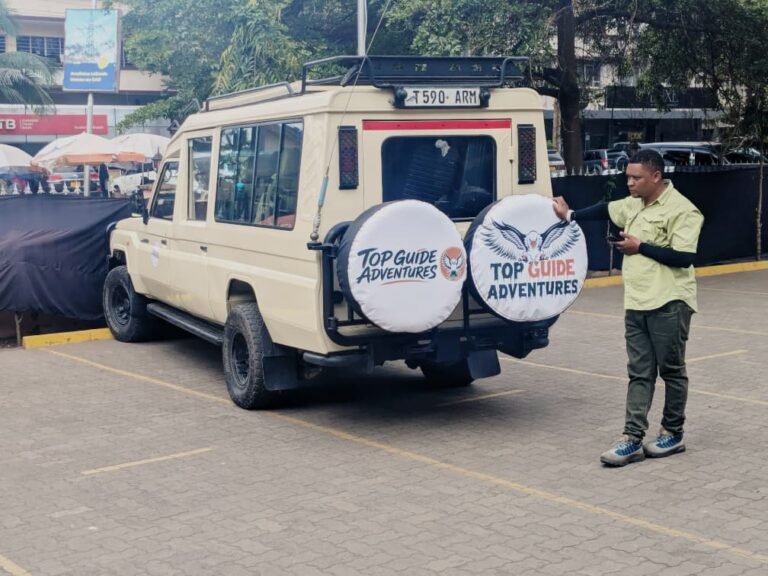
Affordable Tanzania Safari Packages With Local Tour Operators 2026-2027
Affordable Tanzania Safari Packages with Local Tour Operators is explained with current 2026-2027 planning, price, itinerary and booking information.
View package details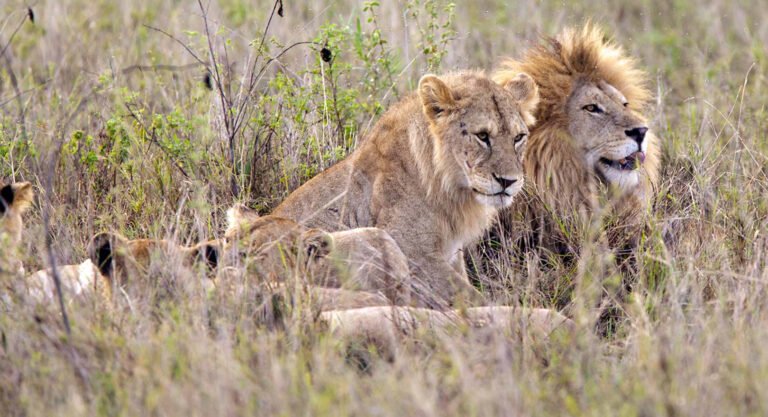
Best Tanzania Safari Packages For Wildlife And Cultural Experiences 2026-2027
Best Tanzania Safari Packages for Wildlife and Cultural Experiences is explained with current 2026-2027 planning, price, itinerary and booking information.
View package detailsBest Value Tanzania Safari Holidays With Full Board Accommodation 2026-2027
Best Value Tanzania Safari Holidays with Full Board Accommodation is explained with current 2026-2027 planning, price, itinerary and booking information.
View package details
Tanzania Wildlife Safari Packages With Big Five Game Drives 2026-2027
Tanzania Wildlife Safari Packages with Big Five Game Drives is explained with current 2026-2027 planning, price, itinerary and booking information.
View package details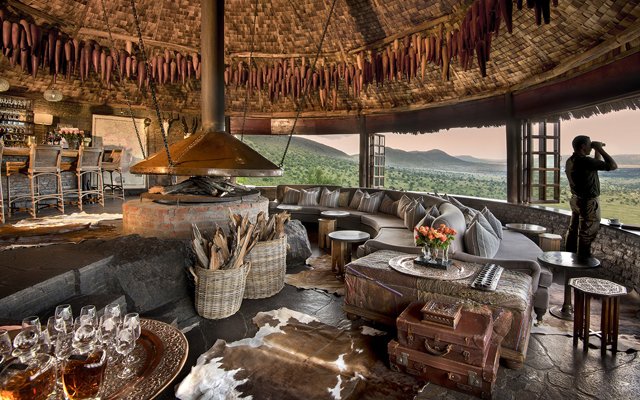
Tanzania Safari Packages With Luxury And Budget Accommodation 2026-2027
Tanzania Safari Packages with Luxury and Budget Accommodation is explained with current 2026-2027 planning, price, itinerary and booking information.
View package details
Tanzania Safari Group Departures With Shared Camping Accommodation 2026-2027
A comprehensive operational guide to Tanzania safari group departures featuring shared public campsite accommodation across the Northern Circuit for 2026-2027.
View package details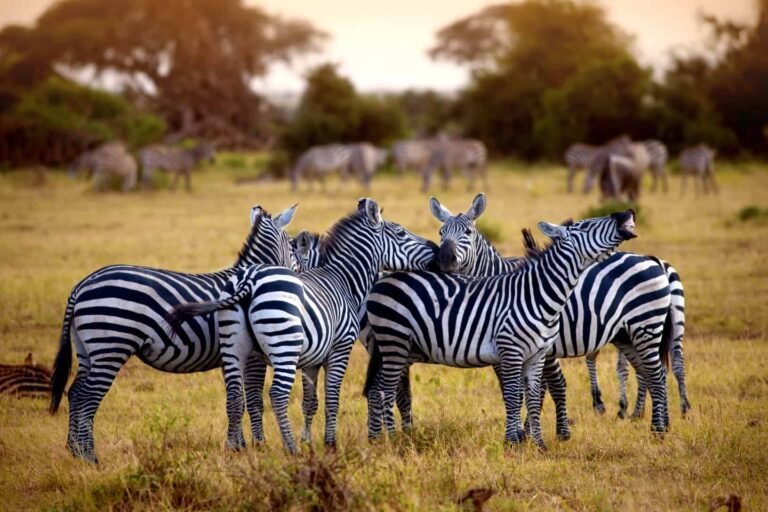
How Much Should I Budget For A 7 Day Tanzania Safari? 2026-2027
How Much Should I Budget for a 7 Day Tanzania Safari? is explained with current 2026-2027 planning, price, itinerary and booking information.
View package details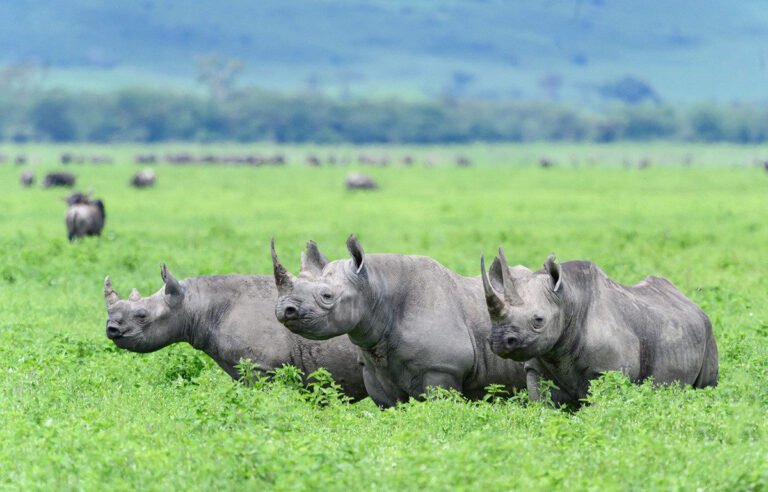
Tanzania Safari Tours For Couples With Different Budgets: Complete Planning
A detailed 2026-2027 comparative guide to planning couples safaris in Tanzania across entry-level budget camping, comfort mid-range tented lodges, and exclusive luxury circuits.
View package details
Best Tanzania Safari Tours With Custom Travel Itineraries 2026-2027
Best Tanzania Safari Tours with Custom Travel Itineraries is explained with current 2026-2027 planning, price, itinerary and booking information.
View package details
Tanzania Safari Packages Including Serengeti Tarangire And Ngorongoro
Tanzania Safari Packages Including Serengeti Tarangire and Ngorongoro is explained with current 2026-2027 planning, price, itinerary and booking information.
View package detailsNo closely related package is available yet for this topic.

Our Guest Reviews, Currently Feedback from Clients in 2026
Reviews from different sources, including Google Business, Tripadvisor, other platforms, and social media.



