
A Ngorongoro Crater day safari from Arusha with early departure is an intensive 12 to 14-hour round-trip excursion covering roughly 360 kilometers of driving, paired with up to five or six hours of wildlife tracking on the 260-square-kilometer volcanic floor. Starting at 05:30 AM from Arusha town allows travelers to bypass urban bottlenecks, clear the NCAA Loduare Gate by mid-morning, and maximize game viewing during peak predator activity before ascending the caldera rim in the early afternoon. In 2026-2027, private day tour rates generally range between $450 and $850 per person depending on group size, reflecting substantial mandatory expenses including the $295 vehicle descent fee and per-person conservation entry tariffs.
Why 05:30 AM Departure Dictates Safari Success
Driving from Arusha to the floor of the Ngorongoro Crater and returning on the same calendar date is one of the most logistically demanding single-day wildlife itineraries in East Africa. The physical distance measures roughly 180 kilometers in one direction, but distance alone fails to illustrate the challenge. The journey moves through heavily monitored highway speed limits, agricultural traffic in Karatu, cloud-blanketed montane forests on the crater rim, and a sheer 600-meter descent down a single-lane gravel wall.
Leaving Arusha at 05:30 AM is not a casual recommendation; it is an operational imperative. The primary reason comes down to the daily lifecycle of apex predators and the strict administrative rules enforced by the Ngorongoro Conservation Area Authority (NCAA). Big cats on the caldera floor—particularly lions and spotted hyenas—hunt and interact actively during the cool morning hours. By 11:30 AM, when late-departing travelers typically touch down on the dusty caldera plain, the equatorial sun is intense. Predators frequently seek shade beneath dense acacia thickets, tall grasses in the Lerai Forest, or underneath the undercarriages of parked safari vehicles, making visual encounters far less dynamic.
Furthermore, local traffic exiting Arusha through Kisongo towards Makuyuni Junction thickens dramatically between 07:00 AM and 08:30 AM with local commuters, freight trucks serving northern Tanzania, and standard regional buses. Slipping through town in pre-dawn darkness saves between 45 and 60 minutes of urban friction. That recovered hour translates directly to unhurried tracking time near the Munge River swamp or the margins of Lake Magadi, where flamingos and endangered black rhinos concentrate.
Operational Reality of the Early Start
If an operator suggests departing Arusha at 07:30 AM or 08:00 AM for a single-day Ngorongoro run, the resulting trip will leave you with fewer than three usable hours on the crater floor. Accounting for check-in paperwork at Loduare Gate, climbing the outer rim, descending Seneto road, and observing the mandatory 06:00 PM park exit rules, late departures force drivers to rush across the caldera track. To safeguard wildlife viewing value, insist on rolling out of your Arusha hotel lobby no later than 05:30 AM.
The Transit Corridor: Arusha, Makuyuni, Karatu, and the Rim
The road corridor between Arusha and Ngorongoro is smooth tarmac for nearly 85% of the total distance, transitioning to gravel and steep volcanic earth only upon passing the official conservation gate. Understanding the geographic landmarks along the route helps travelers pace their expectations during the outward and return legs.
Departing central Arusha, the vehicle heads west past Arusha Airport (ARK) along the A104 trunk highway. This initial stretch cuts through open savannah populated by scattered Maasai bomas and small trading centers like Monduli Juu. The road condition is tarmac, but Tanzania strictly enforces 50 km/h zones inside every settled township, monitored by stationary traffic police and speed cameras. Responsible safari guides maintain these speeds diligently to prevent roadside delays.
At the Makuyuni Junction, approximately 75 kilometers from Arusha, the route splits. The southward fork directs traffic toward Tarangire National Park and Dodoma, while the right fork (the B144) climbs northwest through Mto wa Mbu—a bustling market community flanking Lake Manyara—and ascends the dramatic wall of the Great Rift Valley escarpment. By roughly 07:45 AM, travelers following an early departure reach Karatu, the last major highland farming settlement before entering protected territory. Karatu serves as the customary pitstop to top up vehicle fuel, inspect tire pressure, and run a quick comfort break before climbing into the conservation highlands.
Just past Karatu stands the Loduare Gate, the southern portal into the Ngorongoro Conservation Area. Here, the landscape transforms abruptly from red clay agricultural fields into thick, damp afro-montane rain forest. The road turns to engineered gravel, weaving steeply upward toward the crater rim. The rim crest sits at an elevation surpassing 2,200 meters (over 7,200 feet) above sea level. This transition brings sharp drops in temperature, heavy morning mist, and winding turns that demand experienced handling from professional driver-guides. Travelers coming straight from lower elevations will feel the crisp alpine air immediately.
A short distance past the rim viewpoint, the descent road (Seneto descent route) branches inward toward the caldera floor. Seneto is an unpaved, graded track carved into the western wall of the crater, restricted to descending traffic only. Negotiating the descent requires low-range 4×4 engagement and calculated wheel placement, taking approximately 30 minutes of careful downward travel before the vast volcanic basin spreads out completely flat ahead of you.
NCAA Entry Permits, Timers, and Descent Regulations
Visiting Ngorongoro Crater is governed by stringent administrative protocols designed to limit environmental impact, manage vehicle crowding, and fund ecosystem protection. Navigating these rules successfully requires an operator with clean electronic compliance systems and an up-to-date registered smart card.
Unlike standard national parks managed by TANAPA, Ngorongoro operates under its own conservation authority (NCAA). In 2026-2027, entry permits are processed entirely in advance through an electronic revenue management portal. Cash is strictly rejected at the physical entry gates. Two distinct categories of fees must be settled before your vehicle passes the barrier:
- Conservation Entry Fees: A per-person daily tariff covering individual legal presence inside the conservation boundary. For non-East African adult citizens, this fee stands at $70.80 USD (including the standard 18% VAT).
- Crater Descent Service Fee: A mandatory permit charged per vehicle for every single entry onto the caldera floor, pegged at $295 USD per descent. Whether a 4×4 carries a solo traveler or a full party of six, this flat charge applies in full.
The operational catch for day-trippers is the time-limited permit model. Once a vehicle drops down the Seneto descent route and checks in via the electronic gate reader, a clock starts ticking. Vehicles are permitted a maximum window on the crater floor—traditionally restricted to between five and six hours per descent permit to prevent severe compaction of the delicate soil and control mid-day trail congestion. Attempting to linger past the allowed duration triggers automated overstay fines on the safari operator's registered account.
Furthermore, all game viewing activity must cease and vehicles must clear the crater rim ascent route before 06:00 PM. Combining the five-hour floor limit with the required three-hour transit back to Arusha makes the strict 05:30 AM departure the sole structural way to experience the crater without facing cut-short game drives or panicked dashes toward the exit gate.
Travelers interested in pairing this day trip with longer regional journeys often weigh whether to attempt a rapid return or expand the trip into multiple conservation sectors. For instance, those with an extra day can evaluate whether a 2 Day Tarangire and Ngorongoro Crater Safari from Arusha 2026-2027 offers a more relaxed pace. Similarly, visitors arriving from coastal stopovers frequently ask can I visit Ngorongoro Crater on a safari from Zanzibar? when arranging their international arrival flights.
Hour-by-Hour Itinerary: The Full Early Departure Blueprint
Executing an Arusha-to-Ngorongoro day safari requires precision. Below is the field-tested operational schedule applied by TOP GUIDE ADVENTURES to ensure travelers secure maximum wildlife observation hours without falling foul of NCAA park timing rules.
Execution Schedule: Arusha to Ngorongoro Same-Day Round Trip
- 05:00 AM – Hotel Morning Briefing & Packed Breakfast Collection: Your guide arrives at your Arusha accommodation. You stow daypacks, verify passports are on hand, collect boxed breakfasts arranged by your hotel the previous evening, and secure water bottles.
- 05:30 AM – Wheels Rolling from Arusha: Departure through western Arusha. The early rollout bypasses heavy trade vehicles and minibus taxi (dala-dala) congestion along the main artery.
- 07:15 AM – Escarpment Viewpoint & Quick Comfort Stop: Passing Mto wa Mbu, the road climbs the Great Rift Wall. Guides make a quick five-minute operational halt near Karatu for fuel calibration and passenger restroom facilities.
- 08:15 AM – Loduare Gate Processing: Arrival at the NCAA boundary. The guide submits digital QR permits to NCAA rangers while guests take advantage of the visitor center washrooms or review maps of the crater floor.
- 08:45 AM – Rim Crest & Seneto Descent: Winding up through the cool afro-montane cloud forest, the vehicle reaches the iconic Crater Rim Viewpoint for a brief five-minute photo capture of the vast caldera floor below. The 4×4 then switches into low gear to descend Seneto road.
- 09:30 AM to 02:30 PM – Dedicated Crater Floor Safari & Picnic Lunch: Five full hours of concentrated game viewing across key habitats: Lerai Forest (leopards and bull elephants), Lake Magadi (flamingos and jackals), the Munge Swamp (hippo pods and lions), and the open central plains (grazing herds and black rhinos). At midday, enjoy a packed lunch at Ngoitokitok Spring, observing resident hippos while remaining alert for scavenging black kites.
- 02:30 PM – Lerai Ascent Route: Begin the steep climb up the south-eastern caldera wall via the paved and graded Lerai ascent road, climbing 600 vertical meters back to rim elevation.
- 03:15 PM – Loduare Gate Exit Clearance: Vehicle clears the conservation boundary, re-entering Karatu farmland.
- 06:30 PM to 07:00 PM – Arrive Back in Arusha: Drop-off directly at your hotel or local connection point, concluding the day safari.
This timeline highlights the substantial physical output required. Guests spend approximately 7 to 8 hours seated in the vehicle traversing tarmac and rough tracks, alongside 5 hours actively scanning for wildlife with an open pop-up roof. Packing appropriately for sudden temperature swings—ranging from chilly 10°C (50°F) morning breezes on the rim to dry 28°C (82°F) midday heat on the crater bed—is critical for staying comfortable.
Wildlife Realities on the Crater Floor: The Five-Hour Window
Ngorongoro Crater is often characterized as a self-contained Eden where animal viewings happen effortlessly. While wildlife density is unquestionably among the highest on the continent, seeing key species within a five-hour window requires understanding the spatial distribution of the caldera’s distinct mini-ecosystems.
The caldera floor encompasses roughly 260 square kilometers, bound by intact walls that deter certain species while providing an extraordinary sanctuary for others. Notably, you will not see giraffes inside Ngorongoro Crater; the steep, rocky crater walls make it difficult for their long legs and vulnerable anatomy to negotiate the descent, and the tree species they prefer are sparse across the predominantly grassy floor. Impalas are likewise largely absent due to intense competition and habitat mismatches.
What the crater does deliver in abundance is an unparalleled cross-section of megafauna within compact radiuses:
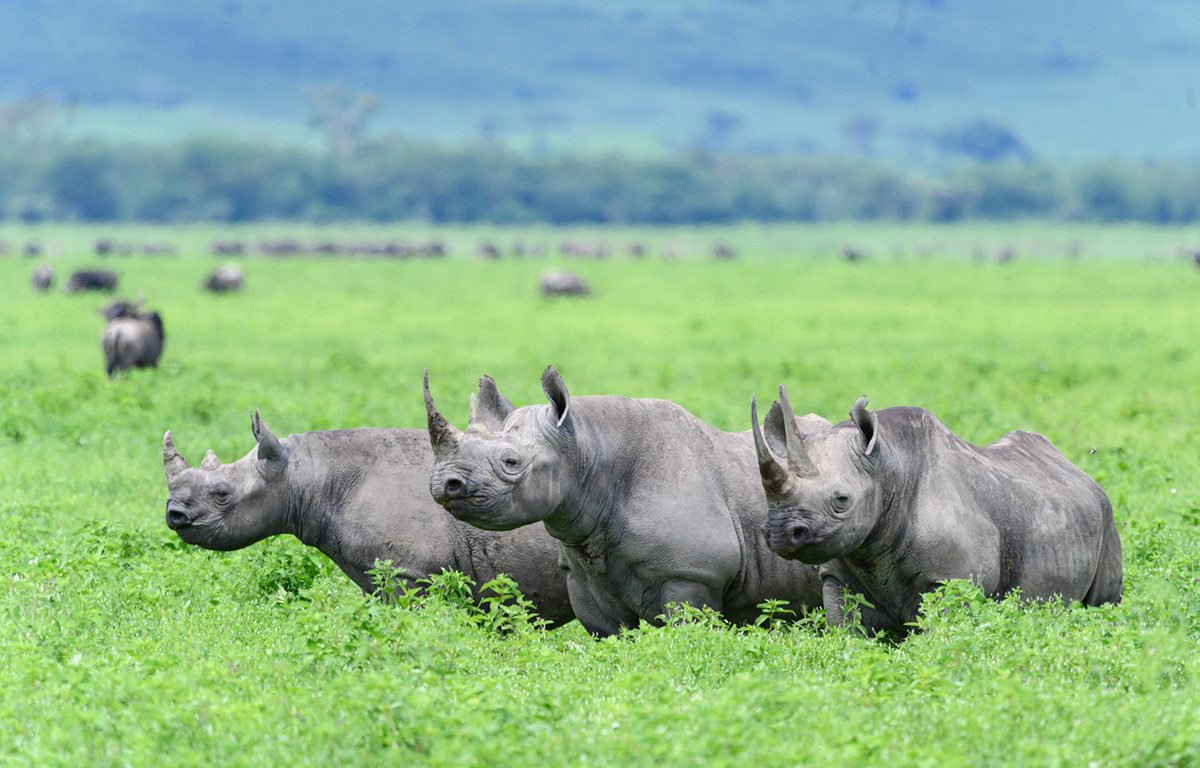
- The Critically Endangered Black Rhino: Ngorongoro remains one of the most reliable locations in East Africa to observe the eastern black rhinoceros (Diceros bicornis michaeli). Roughly 30 individuals inhabit the crater. They spend their nights feeding in the browse of the Lerai Forest and move out onto the open, low-grass plains near the center during daylight. Viewing them usually requires binoculars or telephoto lenses, as NCAA trail guidelines strictly forbid off-road driving, and rhinos maintain significant buffers from vehicle tracks.
- Massive Tuskers: The older bull elephants that wander the crater floor are legendary. Because the steep rim discourages breeding herds with small calves from descending regularly, the floor serves as a bachelor sanctuary for massive, ancient bulls carrying tusk weights rarely seen elsewhere in East Africa. These bulls frequent the yellow-barked acacia groves of Lerai Forest and the marshes near Ngoitokitok.
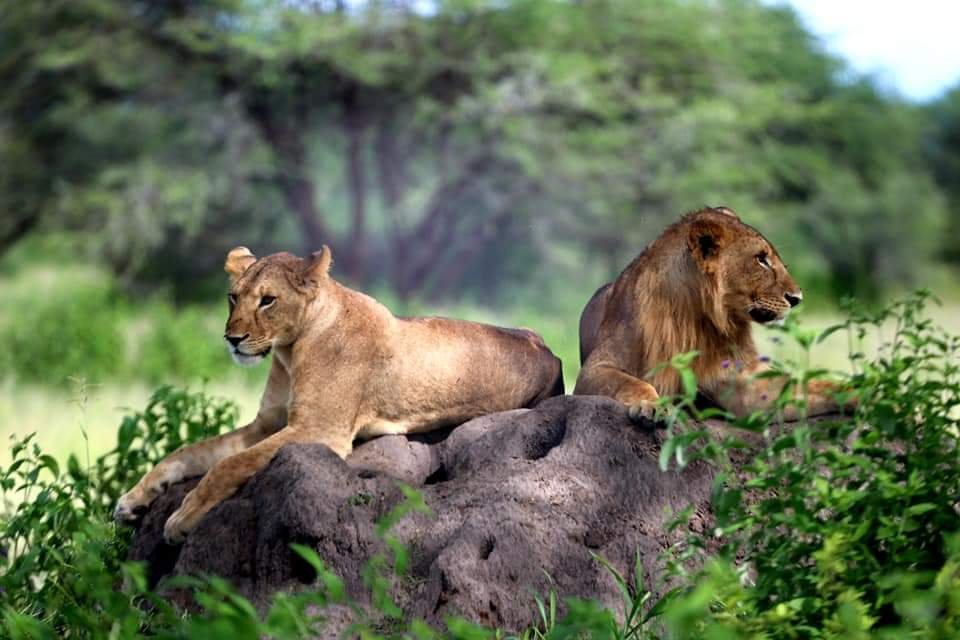
- Dense Predator Guilds: The lion population inside the crater lives at remarkably high density, forming tight prides that have adapted to hunting zebra, wildebeest, and cape buffalo in broad daylight. Spotted hyenas are even more numerous, often seen competing openly with lions over carcasses or resting immersed up to their necks in muddy track-side puddles to cool their bodies.
- The Water Ecosystems: Lake Magadi, an alkaline lake in the southwest quadrant, fluctuates depending on seasonal rains. It frequently hosts hundreds of lesser and greater flamingos feeding on spirulina algae. Nearby, the fresh waters of Ngoitokitok Spring and the Munge Swamp support dense hippo pods that remain submerged through midday heat, surfacing periodically with guttural vocalizations.
Because off-road driving is strictly prohibited by NCAA wardens to prevent track braiding and erosion, a successful safari hinges on your guide's understanding of game transit corridors. Professional guides listen to radio alerts from other driver-guides while maintaining keen visual scanning of horizon lines, recognizing the difference between a distant rock outcrop and a resting lion pride.
Travelers assessing longer excursions that explore beyond the crater rim can contrast these dynamics with broader northern circuit routes, such as our best 3 day safari from Arusha to Serengeti and Ngorongoro, or analyze broader multi-park logistics through the overview on Tanzania safari packages including Serengeti, Tarangire, and Ngorongoro.
Check Availability for Ngorongoro Crater Day Safari From Arusha With Early Departure 2026-2027
Ready to compare dates, prices, and the best option for your group? Send the package name and travel month so the team can reply with a clear quote, availability, and what is included.

3 Day Ndutu And Ngorongoro Crater Safari From Arusha 2026-2027
3 Day Ndutu and Ngorongoro Crater Safari from Arusha is explained with current 2026-2027 planning, price, itinerary and booking information.
View package details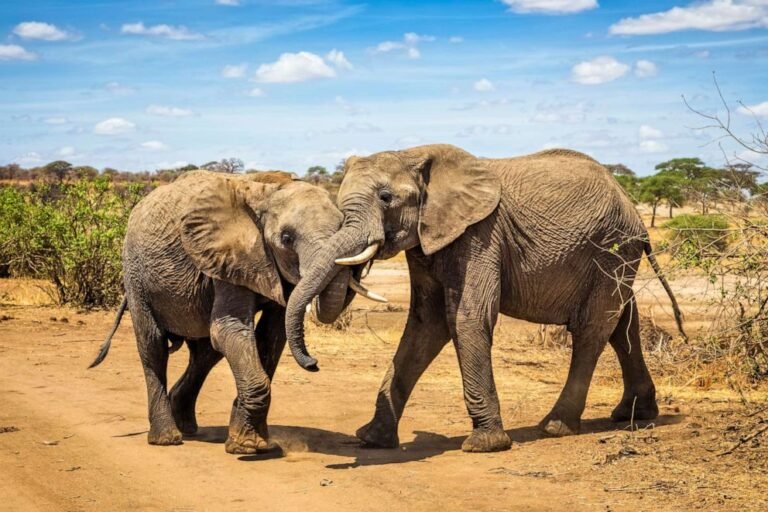
Can I Visit Ngorongoro Crater On A One Day Safari From Arusha? 2026-2027
Can I Visit Ngorongoro Crater on a One Day Safari from Arusha? is explained with current 2026-2027 planning, price, itinerary and booking information.
View package details
Best 3 Day Safari From Arusha To Serengeti And Ngorongoro 2026-2027
Best 3 Day Safari from Arusha to Serengeti and Ngorongoro is explained with current 2026-2027 planning, price, itinerary and booking information.
View package details
Is Ngorongoro Crater Better Than Serengeti For A Short Safari? 2026-2027
Is Ngorongoro Crater Better Than Serengeti for a Short Safari? is explained with current 2026-2027 planning, price, itinerary and booking information.
View package details
Best Ngorongoro Crater Safari Packages From Moshi 2026-2027
Best Ngorongoro Crater Safari Packages from Moshi is explained with current 2026-2027 planning, price, itinerary and booking information.
View package details
Ngorongoro Crater And Lake Manyara Safari With Overnight Lodge 2026-2027
Ngorongoro Crater and Lake Manyara Safari with Overnight Lodge is explained with current 2026-2027 planning, price, itinerary and booking information.
View package details
Best Ngorongoro Crater Safari For Families With Young Children 2026-2027
Best Ngorongoro Crater Safari for Families with Young Children is explained with current 2026-2027 planning, price, itinerary and booking information.
View package details
Ngorongoro Crater Safari With Private 4X4 Land Cruiser 2026-2027
Ngorongoro Crater Safari with Private 4x4 Land Cruiser is explained with current 2026-2027 planning, price, itinerary and booking information.
View package details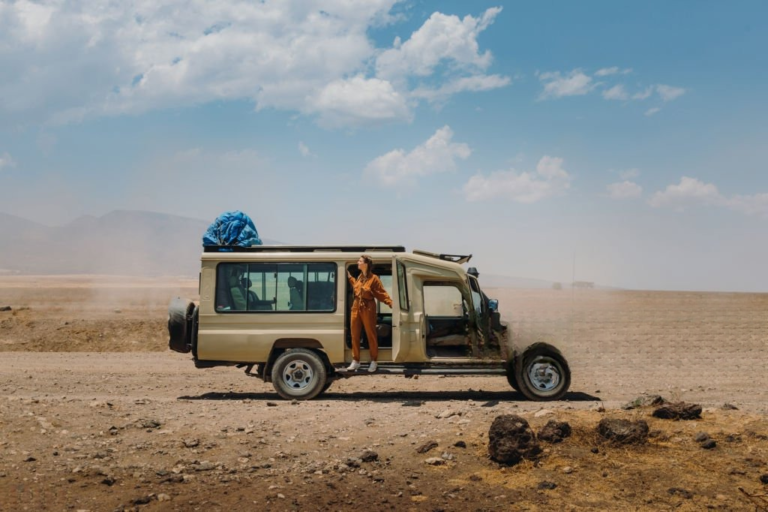
What Is Included In A Ngorongoro Crater Safari Package? 2026-2027
What Is Included in a Ngorongoro Crater Safari Package? is explained with current 2026-2027 planning, price, itinerary and booking information.
View package details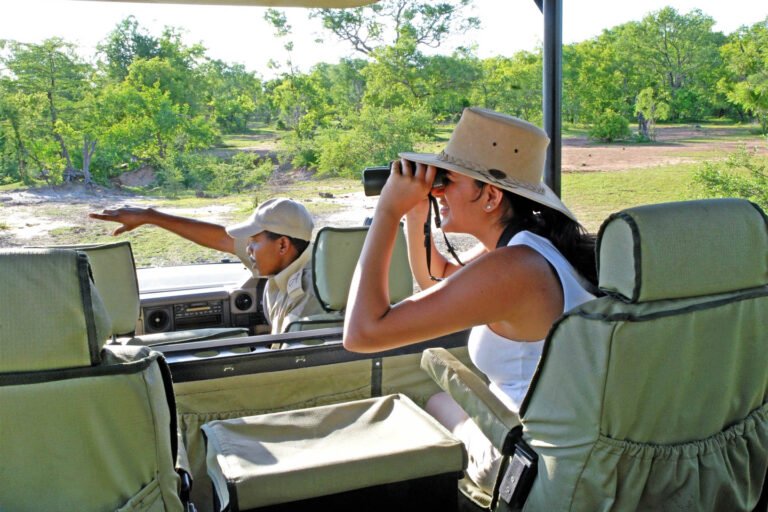
Ngorongoro Crater Safari Packages With Luxury Lodge Accommodation 2026-2027
Ngorongoro Crater Safari Packages with Luxury Lodge Accommodation is explained with current 2026-2027 planning, price, itinerary and booking information.
View package details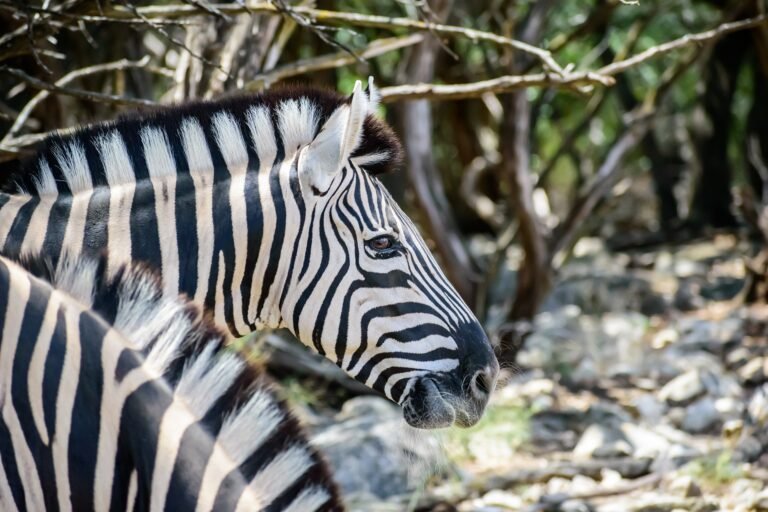
Best 2 Day Ngorongoro Crater And Tarangire Safari Packages 2026-2027
Best 2 Day Ngorongoro Crater and Tarangire Safari Packages is explained with current 2026-2027 planning, price, itinerary and booking information.
View package detailsHow Much Does A Ngorongoro Crater Safari Cost In ? 2026-2027
How Much Does a Ngorongoro Crater Safari Cost in 2027? is explained with current 2026-2027 planning, price, itinerary and booking information.
View package detailsNo closely related package is available yet for this topic.

Our Guest Reviews, Currently Feedback from Clients in 2026
Reviews from different sources, including Google Business, Tripadvisor, other platforms, and social media.



