
Yes, Tarangire National Park is definitely worth visiting for one day, provided your base is Arusha or Karatu, giving you an easy 2 to 2.5-hour highway drive each way and 5 to 7 full hours of prime game viewing. A single-day excursion delivers the highest elephant density in northern Tanzania, massive iconic baobab trees, and reliable predator action along the Tarangire River, typically costing between $200 and $450 per person depending on group size and vehicle privacy for 2026-2027 travel dates. The decisive planning factor is your transit origin: it makes exceptional sense from Arusha, but requires an early 5:00 AM start if departing from Moshi.
The Direct Field Assessment: Is One Day in Tarangire Truly Enough?
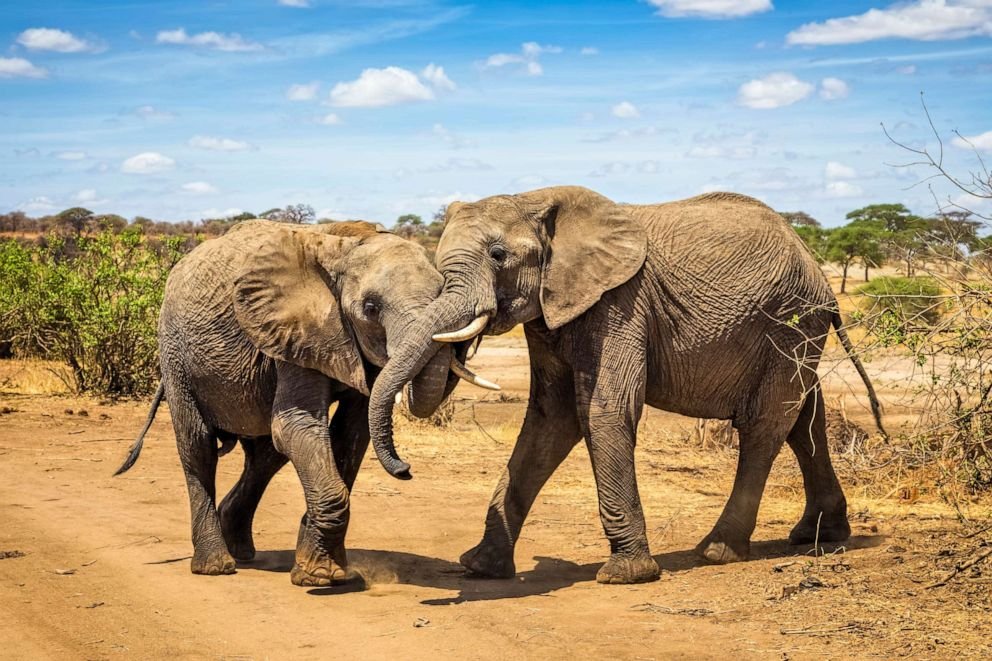
When travelers ask whether a single day in Tarangire National Park justifies the logistical effort, our answer as boots-on-the-ground safari coordinators in northern Tanzania is unequivocally yes, but with clear operational boundaries. Tarangire covers roughly 2,850 square kilometers, yet its primary wildlife concentrations during the dry months converge tightly around the permanent waters of the Tarangire River and the southern swamp networks. Because the park entrance at the main northern gate sits just 7 kilometers off the smooth, tarmac Dodoma Road, you transition from cruising at highway speed to tracking matriarch elephant herds in minutes.
Unlike Serengeti National Park, which requires either expensive bush flights or grueling multi-day drives across rough corrugated tracks, Tarangire is directly accessible for short-stay travelers. It is arguably the easiest, most rewarding park in northern Tanzania for anyone who has just finished trekking Mount Kilimanjaro, is attending a conference in Arusha, or has an open transit day before flying out to the coast. However, understanding what a single day can and cannot deliver is vital for setting proper expectations.
When a One-Day Tarangire Safari Makes Perfect Sense
- You are based in Arusha or Karatu: The smooth two-hour tarmac route minimizes vehicle fatigue and maximizes field time inside the park.
- You crave massive elephant encounters: Tarangire protects herds numbering up to 300 individuals alongside ancient forests of baobab trees.
- You have a limited budget or strict timeline: You avoid expensive multiday lodge packages while still experiencing an authentic northern circuit game park.
- Your travel window falls between June and October: Wildlife concentrates along the riverbeds in extraordinary numbers during the dry season.
Where a one-day trip falls short is southern territory access. You will not reach the deep Silale Swamps or the remote Mkungunero southern boundary on a single-day game drive. Those areas require overnight camping or remote lodge stays. But for travelers who want intense, high-impact wildlife viewing without committing four or five days to a wider northern circuit itinerary, a dedicated day safari provides phenomenal return on investment.
Drive Times and Transit Reality from Arusha and Moshi
Logistics make or break a day safari. A poorly planned departure burns valuable morning game drive hours at toll barriers or entrance gates. The highway from Arusha to the turnoff at Kwakuchinja is fully paved, smooth, and easily driven in approximately 2 to 2.5 hours under normal morning conditions across roughly 120 kilometers.
If you depart from Moshi, the transit distance expands significantly to approximately 200 kilometers each way. We frequently organize day trips departing from Moshi, especially for climbers resting after reaching Uhuru Peak, but it demands an uncompromised 5:00 AM pickup. For an in-depth breakdown of departures from the Kilimanjaro region, examine our dedicated guide on visiting Tarangire National Park on a day trip from Moshi.
Below is a precise breakdown of gate distances, expected road conditions, and realistic travel windows for planning your 2026-2027 excursion:
| Starting Point | Distance to Gate | Average Drive Duration | Road Type & Condition | Recommended Departure |
|---|---|---|---|---|
| Arusha City Center | ~120 km | 2 hr – 2 hr 15 min | 113 km Tarmac / 7 km Graded Gravel | 06:30 AM |
| Arusha Airport (ARK) | ~110 km | 1 hr 50 min – 2 hr | 103 km Tarmac / 7 km Graded Gravel | 07:00 AM |
| Kilimanjaro Airport (JRO) | ~170 km | 3 hr – 3 hr 15 min | 163 km Tarmac / 7 km Graded Gravel | 05:30 AM |
| Moshi Town | ~205 km | 3 hr 45 min – 4 hr | 198 km Tarmac / 7 km Graded Gravel | 05:00 AM |
| Karatu Town | ~95 km | 1 hr 45 min – 2 hr | 88 km Tarmac / 7 km Graded Gravel | 07:00 AM |
At the Kwakuchinja junction, vehicles turn east toward the main gate on an unpaved, all-weather murram road that takes about 10 to 15 minutes to navigate. Upon arrival at the Tanzania National Parks Authority (TANAPA) entrance post, our guides handle smart card permits, vehicle registration, and gate validation while guests stretch their legs and use the clean public washroom facilities.
Cost Breakdown: Tarangire One-Day Safari Pricing for 2026-2027
Understanding what drives the price of a private or shared single-day safari in Tarangire helps eliminate surprises. Safari costs in Tanzania are heavily determined by government park fees, commercial vehicle conservation fees, guide remuneration, fuel, and customized picnic catering. For travelers planning in 2026 and 2027, budgeting properly requires knowing the baseline park entry costs set by TANAPA.
Tarangire Day Safari Budget Benchmarks (2026-2027)
For non-East African citizens, standard TANAPA adult conservation fees currently stand at $50 per person per 24 hours during the peak dry season and $45 during the green season, plus an 18% Value Added Tax (VAT), bringing standard high-season park admission to $59 per adult.
- Solo Private Safari: $420 – $550 total (includes private 4×4 Land Cruiser, professional guide, fuel, entry fees, hot lunch/picnic).
- Couple (2 People Private): $260 – $320 per person.
- Small Group (4 to 6 People Private): $170 – $220 per person.
- Scheduled Group-Joining Day Tour: $160 – $210 per person (shared 4×4 vehicle with window seat guarantee).
If you prefer a cost-conscious model that joins other travelers with guaranteed window seats, review our scheduled daily group departures across northern Tanzania. Alternatively, if your group requires dedicated photography angles, custom timing, and specific wildlife priorities, our custom private safari options allow complete schedule autonomy throughout the game loop.
To compare broader northern circuit entry tariffs, vehicle permits, and seasonal lodging costs across Tanzania, reference our detailed safari cost breakdown including park fees and accommodation.
What You Can Realistically See in 5 to 7 Hours of Game Drives
The core justification for choosing Tarangire for a single day is the density of its central river ecosystem. Between 09:30 AM and 03:30 PM, the bush comes alive with activity along the natural watering corridors. While animal sightings are never scripted, the concentration of specific resident species in Tarangire is among the most reliable in East Africa.
Core Wildlife Roster: High vs. Moderate Probability
High Probability Encounters (Almost Guaranteed Year-Round):
- African Bush Elephants: Herds numbering from 15 to 60 individuals wandering through the riverbed, stripping bark from acacia trees, and digging for mineral-rich water beneath dry sandbars.
- Olive Baboons & Vervet Monkeys: Massive troops patrolling picnic points, riverbanks, and large baobab branches.
- Giraffes: Towering Maasai giraffes browsing atop thorn trees throughout the acacia parklands.
- Plains Game: Impala herds, bohor reedbucks, waterbucks, banded mongooses, and warthogs grazing close to park tracks.
- Birdlife: Superb starlings, yellow-collared lovebirds, red-and-yellow barbets, bateleur eagles, and kori bustards.
Moderate to Occasional Sightings (Common with Skilled Trackers):
- Lions: Regularly seen resting on shaded granite kopjes or lounging high in branches of umbrella acacia trees to escape tsetse flies.
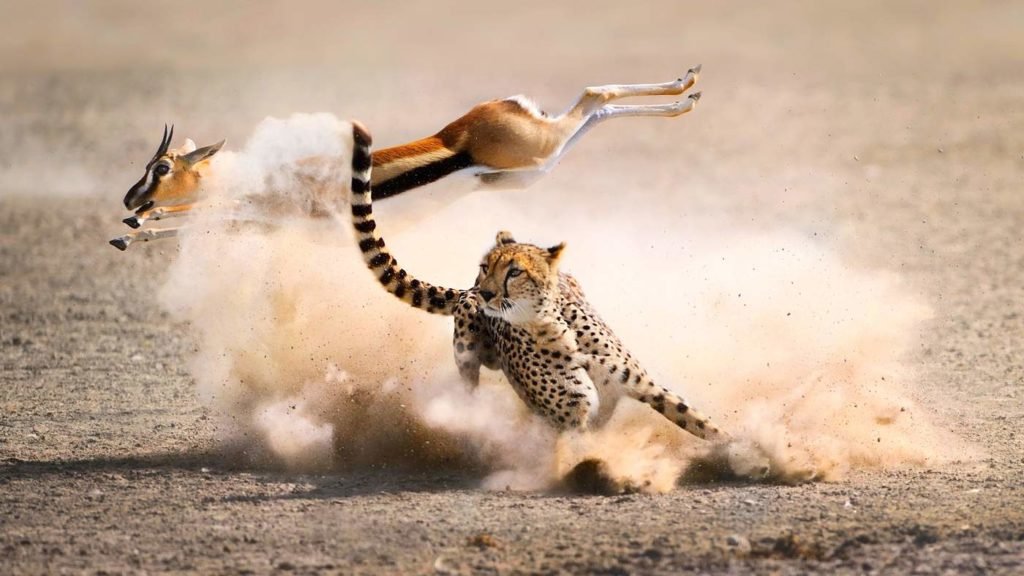
- Cheetahs: Frequenting open grasslands around the lower Gursi and Lemiyon circuits.
- Leopards: Camouflaged within deep sausages trees or riverine thickets along the Tarangire River.
What you should not expect in Tarangire during a single-day trip is the complete African Big Five. Black rhinos are functionally absent from the regular tourism circuits of Tarangire; they reside under round-the-clock armed conservation in protected reserves or inside the caldera of Ngorongoro. If spotting a black rhino on a day trip is your absolute priority, consider reading whether visiting Ngorongoro Crater on a one-day safari from Arusha better aligns with your wildlife bucket list.
Seasonal Reality: Dry Season Magic vs. Green Season Dispersal
The single most critical variable determining whether Tarangire is worth your day trip is the time of year you travel. Tarangire operates on an intense migratory pendulum powered by rainfall cycles across the Maasai Steppe.
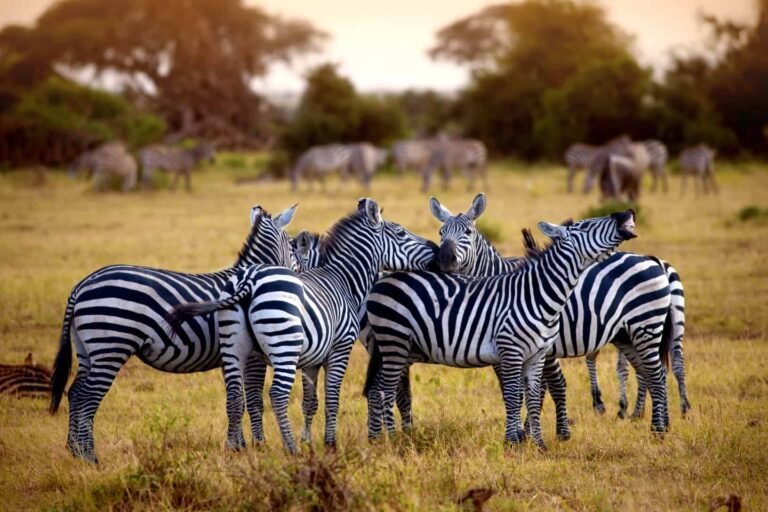
During the long dry season from late June through late October, Tarangire is utterly spectacular. Water sources across the surrounding 20,000 square kilometers of unprotected Maasai land completely evaporate. Wildlife has no choice but to retreat inward toward the permanent springs and deep groundwater pools of the Tarangire River and the Silale Swamps. During this window, game viewing rivals any ecosystem in Africa. You will encounter hundreds of elephants within an hour, alongside thousands of wildebeest, zebras, and cape buffaloes converging under the watchful gaze of resident lion prides.
Conversely, during the green season from November to May (with short rains in November-December and long rains in April-May), the situation shifts radically. The wider Maasai Steppe greens up, surface water fills natural pans everywhere, and migratory ungulates disperse outward across vast pastoral lands. While resident elephant populations, giraffes, leopards, and bird species remain in the park, the legendary dense gatherings vanish into the bush.
Local Guide Advice: If you are planning travel for the green months of March, April, or May in 2026 or 2027, Tarangire remains picturesque and tranquil with lush emerald landscapes, low tourist vehicle traffic, and spectacular migratory birding. However, if your goal is seeing massive river crossings and dense plains game congregations in a single day, Ngorongoro Crater often provides higher wildlife density per square kilometer during those wet months.
For visitors with multiple days open on their calendar, linking both parks delivers the ultimate contrast. Consider evaluating our best 2-day Tarangire and Ngorongoro Crater safari to balance Tarangire’s ancient baobab terrain with the caldera’s dense predator sanctuary.
Tarangire vs. Ngorongoro Crater, Manyara, and Arusha National Park for a Single Day
When selecting a single-day safari from Arusha, travelers typically weigh four primary options: Tarangire, Ngorongoro Crater, Lake Manyara, and Arusha National Park. Each park features distinct trade-offs in drive time, scenery, and wildlife profile.
Check Availability for Is Tarangire National Park Worth Visiting For One Day? 2026-2027
Ready to compare dates, prices, and the best option for your group? Send the package name and travel month so the team can reply with a clear quote, availability, and what is included.
Can I Visit Tarangire National Park On A Day Trip From Moshi? 2026-2027
Can I Visit Tarangire National Park on a Day Trip from Moshi? is explained with current 2026-2027 planning, price, itinerary and booking information.
View package details
How Much Does A Tarangire Day Trip Cost From Moshi? 2026-2027
How Much Does a Tarangire Day Trip Cost from Moshi? is explained with current 2026-2027 planning, price, itinerary and booking information.
View package details
Tarangire National Park Safari With Walking Options 2026-2027
Tarangire National Park Safari with Walking Safari Options is explained with current 2026-2027 planning, price, itinerary and booking information.
View package details
Best Tarangire National Park Safari Tours With Prices For 2026-2027
Best Tarangire National Park Safari Tours with Prices for 2027 is explained with current 2026-2027 planning, price, itinerary and booking information.
View package details
Best Time To Visit Tarangire National Park For Elephant Sightings 2026-2027
Best Time to Visit Tarangire National Park for Elephant Sightings is explained with current 2026-2027 planning, price, itinerary and booking information.
View package details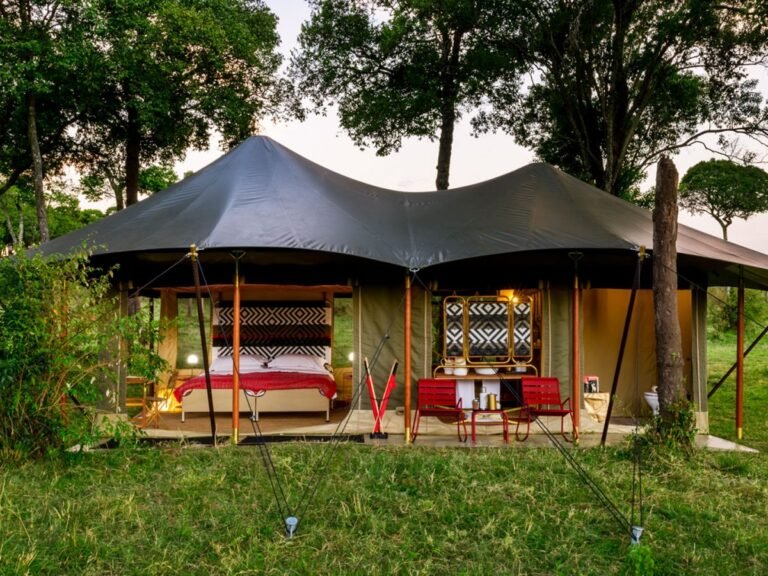
Can I See Large Elephant Herds In Tarangire National Park? 2026-2027
Can I See Large Elephant Herds in Tarangire National Park? is explained with current 2026-2027 planning, price, itinerary and booking information.
View package details
Tarangire Safari Packages With Accommodation Inside The Park 2026-2027
Tarangire Safari Packages with Accommodation Inside the Park is explained with current 2026-2027 planning, price, itinerary and booking information.
View package details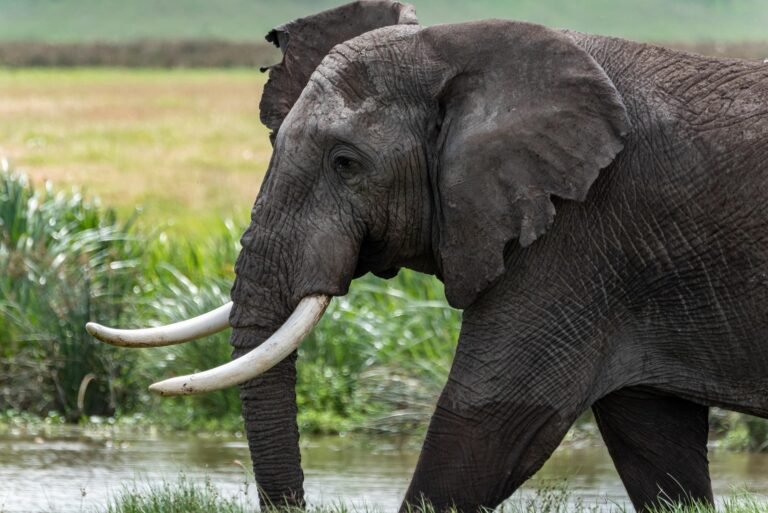
Tarangire Day Safari From Arusha With Lunch And Park Fees 2026-2027
Tarangire Day Safari from Arusha with Lunch and Park Fees is explained with current 2026-2027 planning, price, itinerary and booking information.
View package details
Can I Combine Tarangire And Lake Manyara In A 2 Day Safari? 2026-2027
Can I Combine Tarangire and Lake Manyara in a 2 Day Safari? is explained with current 2026-2027 planning, price, itinerary and booking information.
View package detailsTarangire Safari With Luxury Tented Camps And Private Bathrooms 2026-2027
A comprehensive buyer guide to booking a Tarangire safari with luxury tented camps featuring private en-suite flush toilets and running hot showers for 2026-2027.
View package details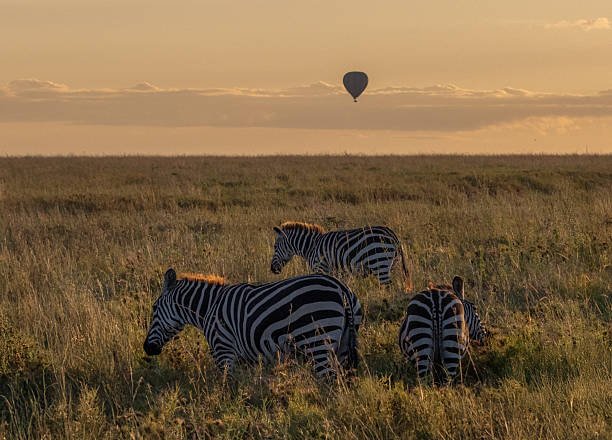
Best Private Tarangire Safari Tours For Wildlife Photographers 2026-2027
Best Private Tarangire Safari Tours for Wildlife Photographers is explained with current 2026-2027 planning, price, itinerary and booking information.
View package details
Best Tarangire Safari Tours From Kilimanjaro Airport 2026-2027
Best Tarangire Safari Tours from Kilimanjaro Airport is explained with current 2026-2027 planning, price, itinerary and booking information.
View package detailsNo closely related package is available yet for this topic.

Our Guest Reviews, Currently Feedback from Clients in 2026
Reviews from different sources, including Google Business, Tripadvisor, other platforms, and social media.



