
The best Tanzania Great Migration safari packages for 2027 center on two primary movement spectacles: the southern Ndutu calving season from January through March, and the northern Mara River crossings from July through October. Typical itineraries span 6 to 10 days, starting from Arusha or Kilimanjaro International Airport (JRO), combining central Serengeti big cat territories with seasonal migration hotspots and the Ngorongoro Crater. Pricing for fully guided 2027 packages ranges from $2,200 to $3,800 per person for quality mid-range tented lodges and $4,500 to $9,000+ per person for premier luxury mobile camps, depending on seasonal park concession fees, fly-in bush logistics, and private vehicle use.
How the Serengeti Migration Cycle Dictates Your 2027 Safari Package
Booking a Great Migration package requires understanding that the migration is not a single annual event or an enclosed tourist attraction. It is a continuous, year-round cyclical movement of over 1.5 million blue wildebeest, 250,000 plains zebras, and hundreds of thousands of gazelles across nearly 30,000 square kilometers of the Serengeti-Mara ecosystem. Because these herds move perpetually in response to rainfall and fresh grass growth, choosing the right package does not mean buying an arbitrary safari ticket; it means placing your camp in the precise geographical sector the herds occupy during your specific travel dates.
A common error travelers make when planning ahead for 2026-2027 is booking a general central Serengeti lodge for an August trip and expecting to walk outside and see river crossings. Central Serengeti (Seronera) offers exceptional resident predator viewing throughout the year, but in August, the main migratory columns are situated roughly 120 kilometers north in the Kogatende and Lamai sectors along the Mara River. Driving between these sectors takes four to six hours through corrugated gravel tracks, turning what should be a wildlife-watching day into a grueling transit.
When you select a focused Tanzania wildlife safari package, your itinerary must be anchored to the biological calendar of the herds. In the first quarter of the year (January to March), the herds congregate on the nutrient-rich volcanic short-grass plains of southern Serengeti and the Ndutu area within the Ngorongoro Conservation Area. By April and May, the heavy rains prompt the herds to shift northwest through Moru Kopjes toward the Western Corridor. June marks the transitional gathering around the Grumeti River, while July through October represents the high-stakes northern migration along the Mara River. By November and December, short rains draw the herds rapidly southward through eastern Lobo back toward Ndutu.
Understanding this movement prevents travelers from investing in packages that feature impressive lodge photos but place them hours away from the real action. For 2027 travelers, aligning your safari package with the animals’ seasonal position is the single most critical logistical decision you will make.
2027 Package Pricing Structures: Budget, Mid-Range, and Luxury Comparisons
Understanding the pricing mechanics of Tanzania safari packages including park fees and accommodation allows you to evaluate proposals objectively. The primary cost drivers are statutory government fees, vehicle operation, and the style of bush lodging chosen. Official conservation fees set by the Tanzania National Parks Authority (TANAPA) and the Ngorongoro Conservation Area Authority (NCAA) make up a significant baseline cost before lodging, fuel, or guide services are factored in.
Entering Serengeti National Park incurs statutory conservation entry fees, value-added taxes (VAT), and mandatory special campsite or concession fees that vary depending on whether you sleep inside the park boundaries or in border wildlife management areas (WMAs). Because the Great Migration moves through remote areas with limited road infrastructure, operating 4×4 custom safari Land Cruisers and transporting food, clean water, and fuel into deep bush camps naturally elevates operational expenses.
| Safari Package Style | Approximate Daily Rate (Per Person) | Typical 7-Day Package Total (Per Person) | Core Accommodation Type | Key Inclusions & Logistics |
|---|---|---|---|---|
| Budget Camping / Group Joining | $280 – $380 | $1,960 – $2,660 | Public campsite ground tents (dome tents, foam pads) | Shared 4×4 pop-top Land Cruiser, camp cook, park entry fees, central Serengeti routes |
| Mid-Range Tented Lodge | $450 – $650 | $3,150 – $4,550 | Permanent or semi-permanent canvas camps with en-suite bathrooms | Private 4×4 vehicle, professional guide, solar power, hot bucket/running showers, three meals daily |
| Luxury Migration Mobile Camp | $850 – $1,400 | $5,950 – $9,800 | High-end mobile camps that track the herds seasonally | Bush airstrip transfers, gourmet dining, premium game drives, prime Kogatende or Ndutu positioning |
| Ultra-Luxury All-Inclusive | $1,500 – $2,500+ | $10,500 – $17,500+ | Exclusive permanent lodges and private safari villas | Private flights, open-sided luxury vehicles, top-tier private trackers, all drinks and private bush dining |
For independent or cost-conscious travelers, joining an organized small group is the most effective way to manage costs. Reviewing a dedicated group safari cost comparison illustrates how dividing vehicle expenses, fuel, and guide fees across four to six passengers can lower total safari spending by 30% to 45% compared to private bookings. However, for specialized Great Migration photography or specific river crossing pursuits, a private safari for two people provides the control over game drive hours necessary to spend uninterrupted half-days waiting patiently along river banks.
The River Crossing Safari (July to October): Mara & Grumeti Logistics
The northern river crossing season represents the most requested category of Tanzania migration packages. Between July and October, massive columns of wildebeest and zebra assemble along the steep, rocky banks of the Mara River in northern Serengeti (Kogatende) and the southwestern Mara sector of Kenya. These packages center on witnessing raw survival dynamics: herds hesitating on high bluffs, mass panics as vanguard animals plunge into raging currents, predatory Nile crocodiles launching strikes, and big cats waiting on the opposite shoreline.
Executing a river crossing safari package successfully requires distinct logistical planning compared to central Serengeti touring:
- Camp Location Must Be Hyper-Local: The Mara River meanders across the border between Tanzania and Kenya, with roughly ten primary crossing points on the Tanzanian side. Booking a camp situated within 20 to 40 minutes of crossing points 1 through 8 is crucial. Lodges placed south of the Lobo hills require an exhausting two-hour morning commute before reaching the riverbanks, meaning you arrive after early crossings have already taken place.
- Extended Bush Patience: Herds often gather on river bluffs for hours or even days, nervous about hidden crocodiles and water currents, before taking the plunge. Top-tier 2027 packages include full-day game drives with packed bush breakfasts and lunches rather than returning to camp at midday. Rushing back to a dining hall at 12:30 PM often means missing dramatic crossings that occur during the heat of the day.
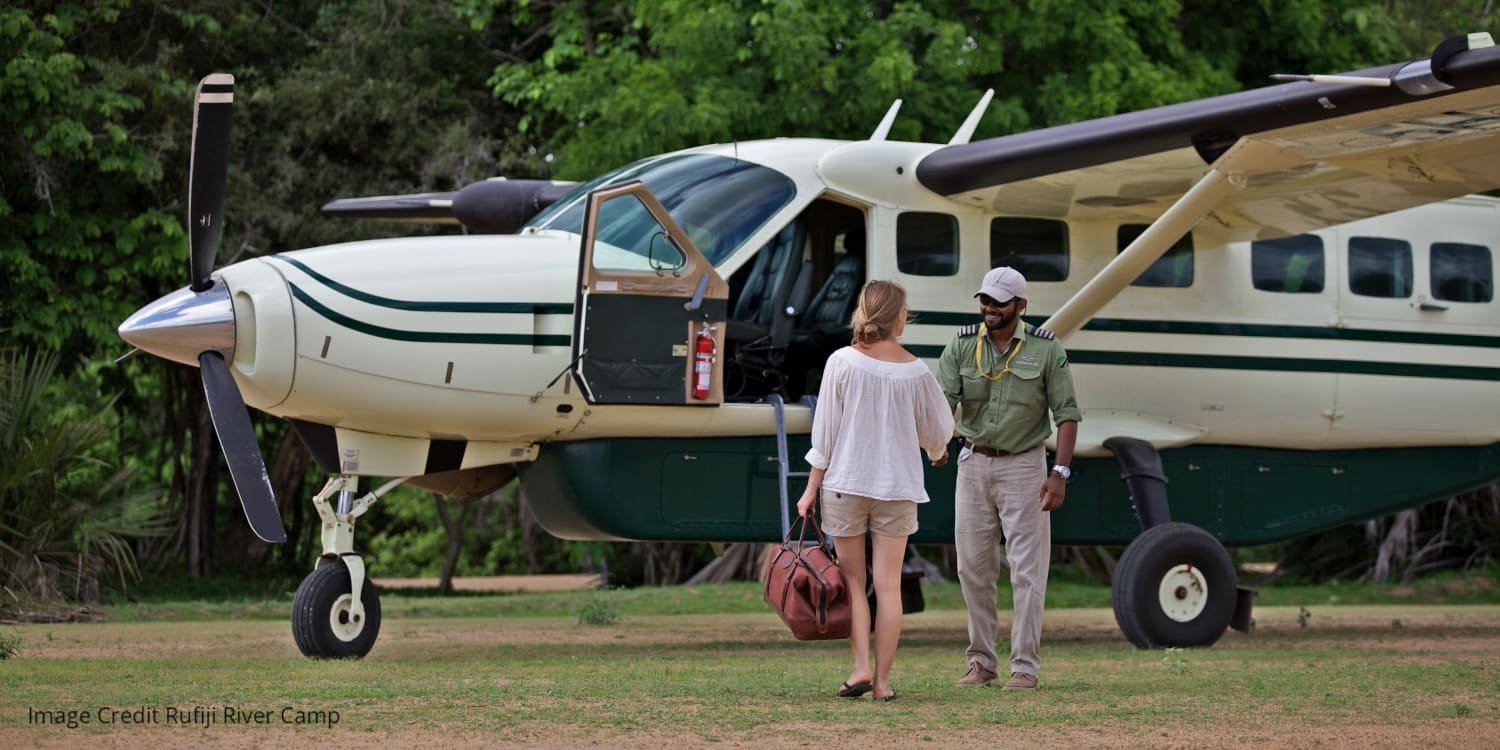
- Fly-In Bush Strategy: Driving from Arusha to Kogatende covers more than 350 kilometers over challenging dirt terrain, taking nearly ten hours of hard travel. Well-designed northern packages incorporate a coastal or bush flight directly to the Kogatende Airstrip (KOG), saving valuable safari time and ensuring travelers arrive ready for game viewing.
While the Mara River commands the spotlight, the Grumeti River crossing in the Western Corridor during June and early July offers an equally dramatic, less crowded alternative. Grumeti crossings feature thick riverine forests, colossal resident crocodiles, and rolling private concessions, providing a quieter migration experience for travelers who prefer to avoid the busy northern tourist corridors.
The Southern Calving Safari (January to March): Ndutu & Southern Plains
Between late January and mid-March, the Great Migration turns the sweeping plains of southern Serengeti and the Ndutu sector of the Ngorongoro Conservation Area into a massive nursery. During a synchronized three-week burst, an estimated 8,000 wildebeest calves are born each day. This abundance of vulnerable young animals attracts the densest concentration of apex predators anywhere on the African continent, including cheetah coalitions hunting across open short grass, lion prides stalking along alkaline lakes, and spotted hyenas roaming day and night.
Southern calving packages differ fundamentally from northern river crossing itineraries in their terrain and wildlife viewing styles:
Why Ndutu Packages Offer Unmatched Off-Road Access
The defining operational advantage of the Ndutu region is legal off-road driving. In national parks such as Serengeti, Tarangire, and Lake Manyara, safari vehicles are strictly restricted to designated tracks to protect vegetation, with hefty fines levied against violators. However, because Ndutu lies within the multi-use Ngorongoro Conservation Area, licensed professional safari guides are legally permitted to carefully navigate off-road across open plains under strict environmental codes. This allows vehicles to follow fast-paced cheetah hunts, observe mother-calf interactions, and witness kills without being restricted by distant roads.
Calving season packages are exceptionally well-suited for family groups and keen photographers. The short-grass plains offer unobstructed sightlines, eliminating the tall golden grasses that often obscure big cats during the dry winter months. Furthermore, these southern routes pair naturally with visits to Tarangire National Park, Lake Manyara, and the Ngorongoro Crater floor, creating an efficient, high-density wildlife loop that minimizes long transit times between destinations.
For 2027 travel planning, Ndutu mobile camps fill up well over ten months in advance. Because the calving window is relatively compact (peaking from early February to early March), luxury tented camps and dependable mid-range lodges in this sector have very limited room inventories. Securing preferred accommodations for early 2027 requires locking in reservations by mid-2026.
Shoulder Season Packages (April-June & November-December): The Trekking Herds
Travelers seeking fewer vehicles around sightings and lower accommodation rates often turn to shoulder season migration packages. These transitional windows highlight the sheer endurance of the herds as they trek across open landscapes between their southern birthing plains and northern dry-season pastures.
The April to May period coincides with Tanzania’s long rains (Masika). While many international visitors steer clear of rainy months, this period offers clear advantages for seasoned safari travelers. The Serengeti transforms into a vibrant green landscape, tourist crowds drop away, and high-end luxury properties discount their nightly rates by 25% to 45%. The herds travel in vast, organized columns moving through Moru Kopjes and the Seronera valley toward the Western Corridor. Because resident big cats remain territorial, viewing predator-prey dynamics against vibrant landscapes and moody skies creates dramatic opportunities for wildlife photography.
In November and December, the short rains (Vuli) pull the herds south from Kenya back into Tanzania. The animals move rapidly down the eastern corridor through Lobo, moving quickly to feed on newly sprouted grasses. Safari packages during these months require adaptive routing; an experienced local guide who understands local rainfall patterns can pivot game drives daily to intersect the moving herds as they journey across the plains.
Fly-In Bush Safaris vs. Classic Overland Driving Packages
One of the primary structural choices when customizing a 2027 Tanzania Great Migration safari package is deciding between an overland drive and a fly-in safari, or selecting a hybrid package that blends both.
A classic overland safari package departs from Arusha in a private custom 4×4 Land Cruiser, driving progressively through Lake Manyara or Tarangire, ascending the Ngorongoro Crater highlands, and descending into the Serengeti basin. The overland approach provides authentic travel context: you experience the changing elevations of the Great Rift Valley, observe authentic rural Maasai bomas, and maintain continuous access to your private guide and vehicle throughout the entire expedition. However, driving across the length of the Serengeti to reach northern outposts like Kogatende can be physically demanding, requiring lengthy days on unpaved bush roads.
Fly-in safari packages replace extended highway and gravel journeys with regional bush flights on light aircraft operated by carriers such as Auric Air, Coastal Aviation, or Regional Air. In roughly 45 to 60 minutes, a flight transports you from Arusha Airport (ARK) or Kilimanjaro International Airport (JRO) directly onto bush strips like Kogatende (northern Serengeti), Seronera (central), or Ndutu (south). While this style maximizes actual game-viewing hours and minimizes physical fatigue, it introduces strict baggage parameters: passengers are typically restricted to 15 kilograms (33 pounds) per person packed strictly in soft-sided duffel bags without hard plastic or metal frames.
For many travelers, a balanced hybrid package provides the ideal balance: drive overland through Tarangire and Ngorongoro to experience the Rift Valley highlights, continue into central Serengeti, and conclude with a flight from the northern bush directly back to Kilimanjaro Airport or onward to Zanzibar for a coastal recovery holiday.
Check Availability for Best Tanzania Great Migration Safari Packages For : Routes, Costs & Expert
Ready to compare dates, prices, and the best option for your group? Send the package name and travel month so the team can reply with a clear quote, availability, and what is included.

7 Day Tanzania Great Migration Safari With Ngorongoro Crater 2026-2027
7 Day Tanzania Great Migration Safari with Ngorongoro Crater is explained with current 2026-2027 planning, price, itinerary and booking information.
View package details
Tanzania Great Migration Safari Packages For Wildlife Photographers 2026-2027
Tanzania Great Migration Safari Packages for Wildlife Photographers is explained with current 2026-2027 planning, price, itinerary and booking information.
View package details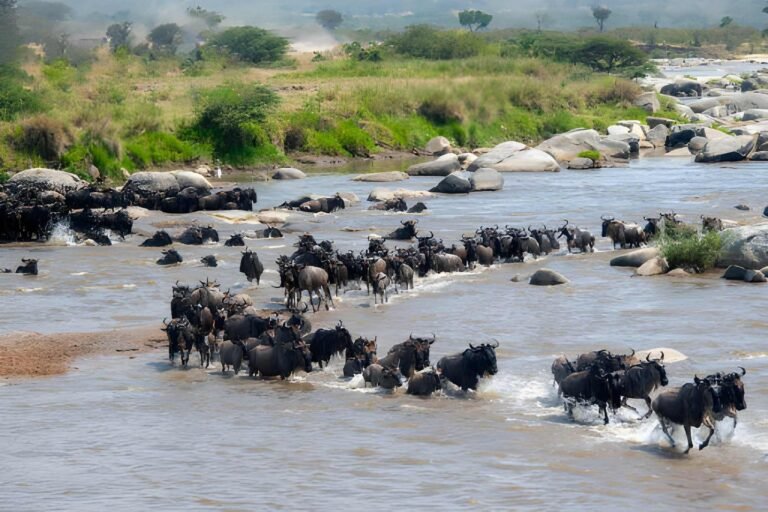
How Much Does A 5 Day Great Migration Safari Cost? 2026-2027
How Much Does a 5 Day Great Migration Safari Cost? is explained with current 2026-2027 planning, price, itinerary and booking information.
View package details
Best Time To Book A Tanzania Wildebeest Migration Safari () 2026-2027
A detailed local guide breaking down exactly when to reserve your Tanzania Great Migration safari for 2026-2027, covering lead times, seasonal bottlenecks, camp positioning, and park...
View package details
Can I See The Great Migration During A 3 Day Serengeti Safari? 2026-2027
Can I See the Great Migration During a 3 Day Serengeti Safari? is explained with current 2026-2027 planning, price, itinerary and booking information.
View package details
Is January Or February Better For A Ndutu Migration Safari? 2026-2027
Is January or February Better for a Ndutu Migration Safari? is explained with current 2026-2027 planning, price, itinerary and booking information.
View package details
4 Day Southern Serengeti Migration Safari With Tented Accommodation 2026-2027
4 Day Southern Serengeti Migration Safari with Tented Accommodation is explained with current 2026-2027 planning, price, itinerary and booking information.
View package details
Best Serengeti Safari Camps Close To Wildebeest Migration Areas 2026-2027
Best Serengeti Safari Camps Close to Wildebeest Migration Areas is explained with current 2026-2027 planning, price, itinerary and booking information.
View package details
6 Day Northern Serengeti Migration Safari With Luxury Tented Camps 2026-2027
6 Day Northern Serengeti Migration Safari with Luxury Tented Camps is explained with current 2026-2027 planning, price, itinerary and booking information.
View package details
Private Serengeti Migration Safari With Flexible Game Drive Schedules
Private Serengeti Migration Safari with Flexible Game Drive Schedules is explained with current 2026-2027 planning, price, itinerary and booking information.
View package details
Northern Serengeti Migration Safari With Accommodation Near Mara River
Northern Serengeti Migration Safari with Accommodation Near Mara River is explained with current 2026-2027 planning, price, itinerary and booking information.
View package details
Can A Serengeti Safari Guide Guarantee A River Crossing Sighting? 2026-2027
A detailed travel planning assessment clarifying why no ethical safari guide can guarantee a wildebeest river crossing in the Serengeti, detailing herd dynamics, crossing points, and field...
View package detailsNo closely related package is available yet for this topic.

Our Guest Reviews, Currently Feedback from Clients in 2026
Reviews from different sources, including Google Business, Tripadvisor, other platforms, and social media.



