
The best Ndutu safari packages for wildlife photography run between late December and late March across the southern Serengeti and Ngorongoro Conservation Area, pairing a minimum of 4 to 7 days on the Ndutu plains with private, modified 4×4 safari vehicles and permits allowing off-road driving. For the 2026-2027 calving season, tailored photography packages range from $550 to $850 per person per day for quality mid-range mobile tented camps and $950 to $1,650+ per person per day for high-end luxury operations, with the primary logistical decision resting on whether you prioritize open-sided vehicles, beanbag-equipped window tiers, or camp proximity to Lake Ndutu and the Big Marsh marshlands.
Why Ndutu Demands Dedicated Wildlife Photography Packages
General tourist itineraries often bundle the Ndutu region into a brief two-night transit stop between Lake Manyara and Central Serengeti. For an earnest wildlife photographer, that standard approach fails completely. Ndutu is an expansive, nutrient-rich volcanic ecosystem straddling the border of the Ngorongoro Conservation Area (NCAA) and Serengeti National Park. It is the sole theatre of the Great Migration where synchronized birthing brings upwards of 8,000 wildebeest calves into the world every single day across January and February.
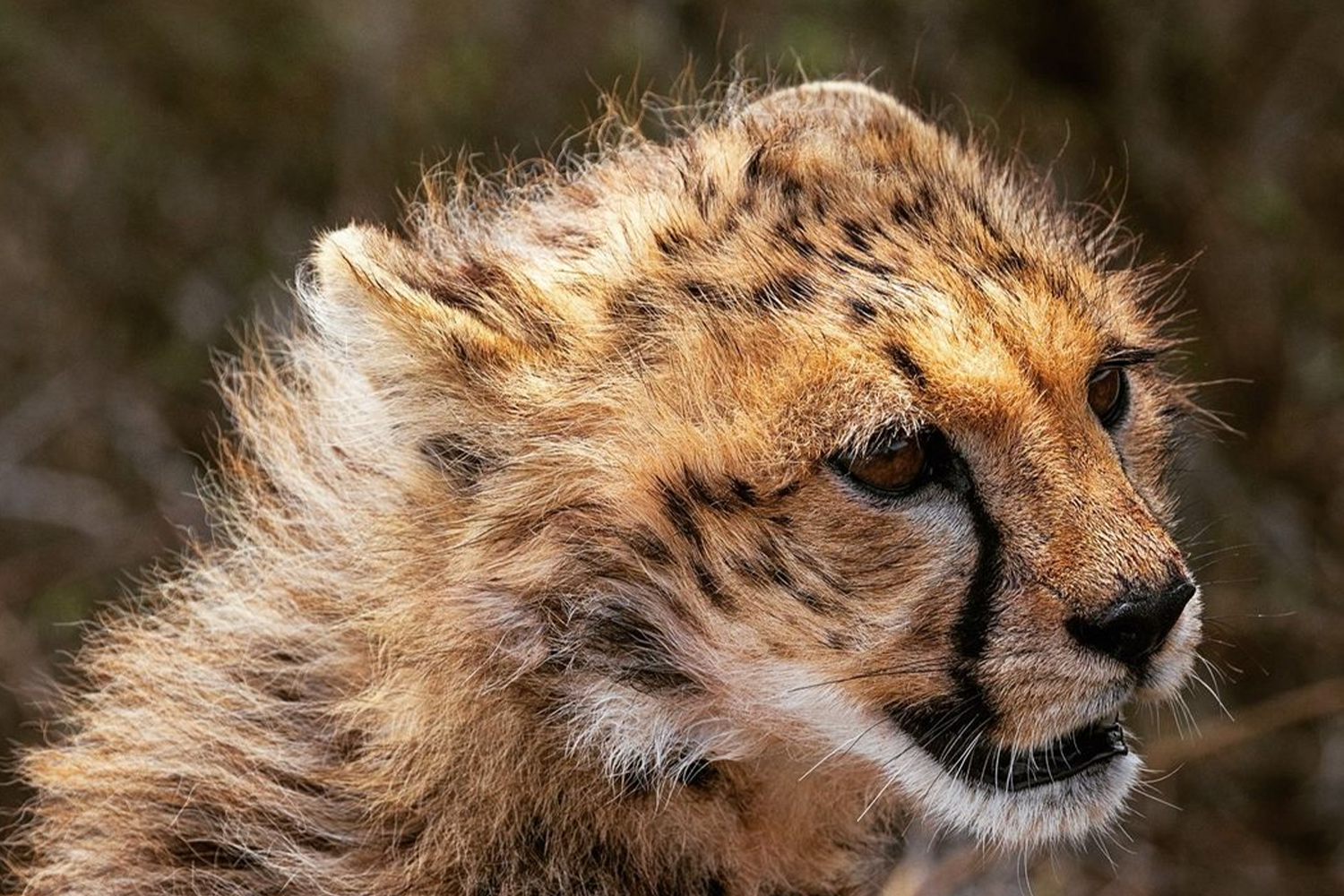
A dedicated photography package is structured around tracking natural predator-prey behavior rather than ticking off sightings on a checklist. In Ndutu, herds of wildebeest, plains zebra, and Thomson’s gazelles blanket the open short-grass plains, drawing formidable numbers of cheetahs, lions, spotted hyenas, leopards, caracals, and bat-eared foxes. Capturing high-speed chases, fragile first steps of newborns, and tense territorial squabbles requires infinite patience, precise repositioning relative to ambient light, and guides who understand animal body language.
Photographers also require unusual daily rhythms. While mainstream tour groups return to camp for midday hot lunches when the light is harsh, photographers in Ndutu frequently opt for full-day field excursions with packed breakfasts and lunches. Predators frequently hunt during the midday heat when ungulates drop their guard or wander toward Lake Ndutu and Lake Masek for water. Choosing specialized Tanzania Great Migration safari packages for wildlife photographers ensures you have the autonomy to wait out an active cheetah mother or track a pride of lions stalking through the acacia woodland without pressure from fellow passengers to head back to camp.
Package Tiers, Pricing Breakdown, and Cost Logic for 2026-2027
Securing the right photography package requires understanding how local tour operators calculate field costs in the southern Serengeti ecosystem. Because photographic journeys require private vehicles—avoiding situations where non-photographers nudge tripods or demand shade—transport costs are fixed per vehicle rather than divided across six or seven shared seats. This makes private groups of two to three photographers the most economical balance of operational cost and unhindered shooting space.
For the upcoming 2026 and 2027 seasons, park authorities maintain distinct concession fees, conservation fees, and vehicle entry levies across the NCAA and Serengeti boundaries. Photography packages generally sort into three functional operational tiers:
| Package Tier | Estimated Daily Rate (per person, 2 pax) | Accommodation Style | Vehicle & Guide Configuration | Best Suited For |
|---|---|---|---|---|
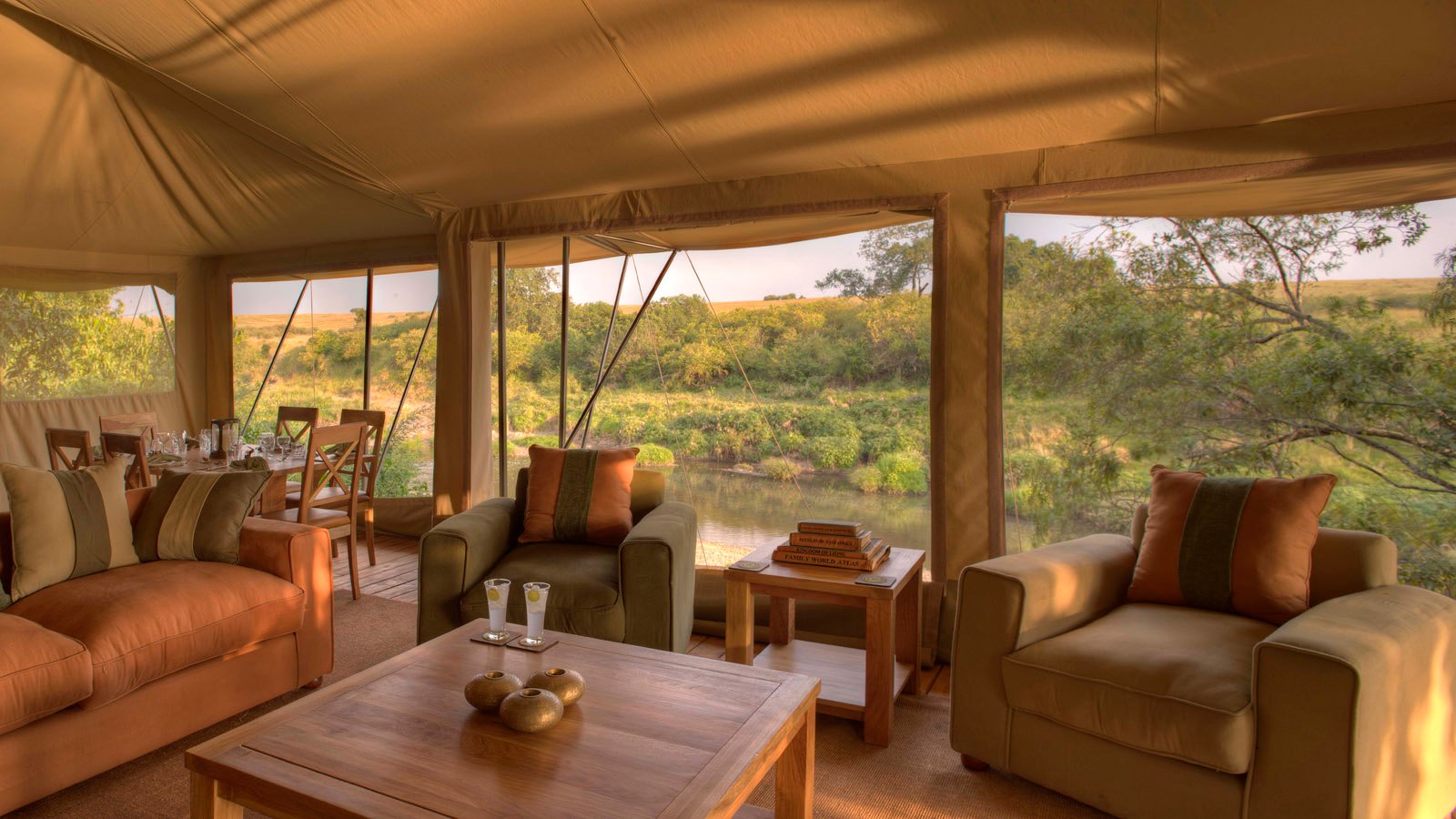
| Mid-Range Canvas Specialist | $550 – $800 | Seasonal mobile tented camps (ensuite flush toilets, bucket or gravity showers) | Private customized 4×4 Land Cruiser, roll-up canvas sides or wide pop-up roof, beanbags supplied | Solo shooters or pairs prioritizing all-day tracking and field time over luxury amenities |
| Upper Luxury Tented | $850 – $1,400 | Semi-permanent luxury camps (24-hour power stations, running hot water, plunge decks) | Extended private Land Cruiser with 360-degree shooting hatches, inverter outlets at every seat | Photographers wanting premium field comfort, fine dining, and robust digital backup spaces |
| Dedicated Photo-Master Charter | $1,500 – $2,300+ | High-end boutique lodges (Lake Masek Tented Lodge or high-spec mobile suites) | Dedicated open-sided photo vehicle (subject to NCAA zones), professional wildlife photo host | Commercial pros, portfolio builders, and travelers needing direct technical guidance |
When reviewing quotes, evaluate how fuel limits are structured. Budget-driven operators sometimes constrain their driver-guides to strict mileage allowances to protect margins. A productive photography safari cannot operate under daily distance caps; finding the calving herds after an unseasonal rain shower may require running 40 kilometers north toward the Gol Kopjes or south across the Kusini boundary. Packages booked through Top Guide Adventures feature unrestricted game-drive mileage, dedicated private use of custom-rigged 4×4 vehicles, and experienced local driver-guides who know how to keep morning sun angles behind your camera lens.
Additional price elements to verify include the high-season NCAA conservation fees (currently $70.80 per adult per 24 hours including VAT) and special camping fees ($59 per adult per night) if staying within mobile seasonal camps inside the conservation area. If an itinerary dips into Serengeti National Park territory, separate TANAPA park fees apply. Factoring in these statutory park dues early eliminates unexpected cash requests at entry gates.
Custom Vehicle Setups: Modifying 4×4 Land Cruisers for Cameras
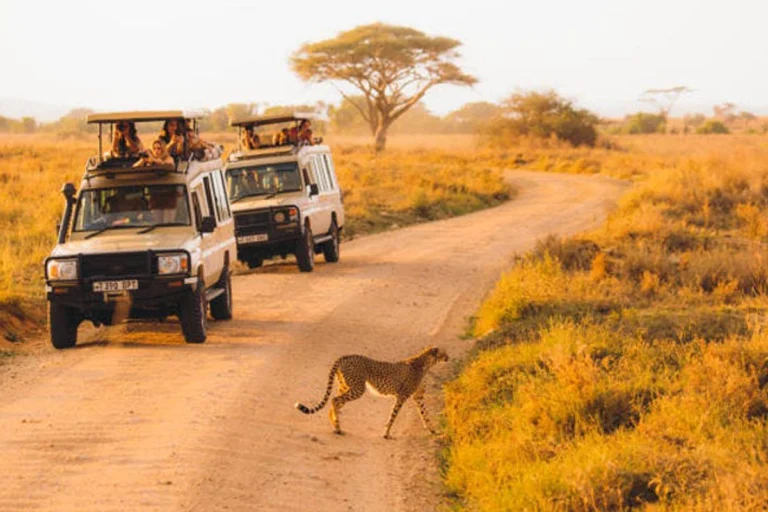
The vehicle you inhabit for ten to twelve hours a day acts as your field studio, platform, and shelter. An unsuitable vehicle will ruin shooting angles, induce physical fatigue, and cause missed frames when animals move unexpectedly. For wildlife photography throughout Ndutu, conventional mini-buses or tight passenger vans are completely unusable. You require an extended, heavy-duty 4×4 Toyota Land Cruiser engineered specifically for gear stabilization.
Essential Vehicle Features to Confirm Before Booking
- Clear Low-Angle Shooting Hatches: High-angle perspectives looking down from an elevated roof make predator portraits feel flat and disconnected. Look for vehicles with drop-down side windows, removable window frames, or cut-out lower panels that allow you to mount cameras near ground level.
- Heavy-Duty Beanbags and Clamp Mounts: Window sills and roof edges must be fitted with large double-compartment beanbags filled with rice, beans, or buckwheat. If you use gimbal heads like the Wimberley WH-200, ensure the vehicle sports sturdy safety bars compatible with heavy-duty c-clamps.
- Clean Inverter Power Supply: Cold dawn temperatures sap modern mirrorless lithium batteries rapidly. Your safari vehicle must have reliable 220V/110V AC pure-sine-wave inverters and multiple USB-C PD ports wired directly to an auxiliary dual-battery bank so you can recharge without engine noise.
- Unobstructed Seating Configuration: Standard tourist cruisers hold seven to eight passenger seats. A dedicated photo-safari Land Cruiser should have seats removed, leaving a maximum of three photographers per vehicle. This ensures every shooter has direct, unobstructed access to both the left and right sides of the vehicle in seconds.
- Soft-Suspension Tuning: Corrugated volcanic dirt tracks across Ndutu induce harsh vibrations. Vehicles with well-maintained parabolic leaf springs or upgraded Old Man Emu suspension dampeners protect delicate lens calibration and sensor stabilization mechanisms from mechanical shock.
The choice between open-sided vehicles and closed pop-up roof cruisers is an important operational debate in Ndutu. Open-sided 4×4 vehicles offer sweeping fields of view and effortless low-angle shooting, but they are generally restricted to private concessions or specific NCAA zones, and they offer no barrier against the blinding alkaline dust stirred up by high winds across Lake Ndutu. Modified pop-up cruisers with fully retractable canvas sides strike the most functional compromise, shielding sensitive electronic gear while driving across dusty tracts and opening completely once on site with wildlife.
The Off-Road Driving Rule: Navigating the NCAA and Serengeti Boundary
One of the primary reasons Ndutu is renowned worldwide for wildlife photography is the legal permission to drive off-road. However, a major point of confusion for travelers is that the Ndutu ecosystem falls under two separate administrative jurisdictions, each enforcing radically different rules on vehicle movement.
The southern portion of the Ndutu plains, including the wooded perimeter of Lake Ndutu, Lake Masek, and the Big Marsh, lies inside the Ngorongoro Conservation Area (NCAA). Within this NCAA sector, certified driver-guides are permitted to carefully track off established tracks across the short-grass plains to observe hunting predators, fresh kills, and birthing herds. This off-road freedom is vital for portraiture and action sequences; it means you can follow a hunt across the plains or position your vehicle precisely with the morning sun directly behind you, instead of hoping an animal crosses within range of a designated dirt road.
Conversely, cross the administrative border into the southern sector of Serengeti National Park (TANAPA), and strict track regulations apply immediately. Off-road driving inside Serengeti National Park carries severe financial penalties and guide license suspensions. Guides must remain strictly on established gravel and dirt tracks. In practice, wildebeest herds and hunting big cats pay no heed to administrative boundaries. A cheetah might stalk a gazelle across the NCAA boundary, only to execute the take-down fifty yards inside the Serengeti border.
When selecting your itinerary, ensure your operator understands how to balance these two sectors. Skilled driver-guides familiar with the area will focus their stalking time within the NCAA zones when off-track positioning is critical for low-angle action, while leveraging the Serengeti side for vast landscape shots and woodland river crossings. Packages like the February Ndutu wildebeest calving safari tours explicitly design daily routes around these boundaries to maximize your camera time without breaching conservation codes.
Timing the Action: Calving Peaks, Predator Tactics, and Light Dynamics
Lighting on the open southern plains is clean, dramatic, and volatile. Because Ndutu sits roughly three degrees south of the equator, daylight transitions rapidly. Planning a photography expedition requires matching your target behavioral sequences to specific seasonal windows between late December and early April.
The plains turn vibrant green following the brief November-December rains, triggering the migration herds to flood south from the Seronera valley. The grass species in the Ndutu basin—predominantly Sporobolus—absorb calcium, phosphorus, and magnesium from the volcanic ash soil deposits left by the Ol Doinyo Lengai volcano. This nutrient profile is essential for pregnant wildebeest sustaining milk production for their offspring.
Comparing the Monthly Photography Dynamics
- Late December to Mid-January: Massive herds arrive and distribute across the plains. Calving begins in scattered numbers. The grass is lush and low, offering exceptionally clean backgrounds free of distracting brush. Cheetahs are actively patrolling open ground, taking advantage of smaller gazelle fawns. Cloud cover is common, producing gentle, soft natural diffusers that prevent harsh shadows on dark animal coats. For travelers planning early-season trips, check our best Ndutu calving season safari packages for January 2026-2027.
- Late January to Late February (The Calving Peak): This represents the pinnacle of wildlife action. Over a compressed two-to-three-week window, roughly half a million wildebeest calves are born. Predators operate at maximum intensity. Spotted hyenas adopt endurance hunting tactics across the shallow soda flats, while lions conceal themselves in depressions and drainage gullies. You will photograph wobbly newborns taking their first steps within minutes of birth, dramatic defensive circles formed by mother wildebeest, and high-speed hunts. Photographers should expect elevated vehicle numbers around high-profile sightings near Lake Ndutu.
- March to Early April: The calves are swift and strong, capable of matching the herd’s pace. Large predator activity shifts toward zebra foals and remaining vulnerable ungulates. Unseasonal rains can transform the plains into sticky black cotton mud, but the photographic reward is dramatic storm fronts with deep purple thunderheads framed against sunlit golden grasslands. Accommodation rates drop, and vehicle density thins out significantly, making this period excellent for atmospheric wide-angle photography.
From a daily lighting perspective, Ndutu rewards early starts. Gates open at 06:00, and exiting camp in the dark allows your driver to position near active prides or cheetah family groups as the horizon glows soft orange and pink. Between 11:30 and 15:00, overhead equatorial sunlight can wash out contrast on white zebra stripes and bleached alkaline soils. Use this window to seek out shaded acacia woodland around the marshes, where leopards drape across umbrella thorn branches, or switch to black-and-white high-contrast compositions of the vast herds.
Field-Tested Gear Choices: Focal Lengths, Sensor Bodies, and Dust Protection
Photographing the high-speed dynamics and vast herds of Ndutu places unforgiving demands on your camera equipment. The environment alternates between wide-open, dust-choked short-grass plains and dense Acacia tortilis woodland around the marsh networks. Packing the wrong gear combinations or failing to protect sensitive sensors against volcanic dust can derail a high-value photographic investment.
To work effectively across varying subjects without constantly swapping lenses in dusty conditions, serious shooters rely on a disciplined dual-body camera setup. A versatile gear package for Ndutu includes:
- Two Professional Camera Bodies: Keep a high-resolution full-frame body (45MP+) on one strap for portraits, environmental landscapes, and cropping flexibility, paired with a high-speed sports body (20–30fps with deep buffer depth) for tracking explosive cheetah accelerations and predator attacks.
- The Primary Super-Telephoto (400mm to 600mm): A 500mm f/4 or 600mm f/4 prime lens provides the subject separation and soft bokeh needed to isolate subjects against distracting grassland horizons. If mobility and flight weight are concerns, modern lightweight super-telephoto zooms like the 100-500mm, 180-600mm, or 200-600mm f/5.6-6.3 lenses work exceptionally well in Ndutu’s bright open sunlight.
- The Versatile Mid-Telephoto (70-200mm f/2.8): Indispensable for capturing environmental portraits of herds moving together, adult predators interacting with playful cubs, or larger wildlife close to the vehicle. An f/2.8 aperture is invaluable during the first thirty minutes of dawn light before the sun crests the horizon.
- A Wide-Angle Zoom (16-35mm or 24-70mm): Essential for storytelling compositions that showcase the infinite scale of the Great Migration under dramatic African skies. Using a low-angle mount out of the vehicle door with a 24mm lens can yield impressive perspectives of herds streaming past the 4×4.
Dust management is paramount in the Ndutu basin. The fine volcanic soil particles—often called “pembamba” dust—are fine enough to penetrate unsealed zoom barrels, camera buttons, and lens mounts. Never change lenses while driving or when winds are whipping across the dry flats of Lake Ndutu. Bring heavy-duty dry bags or protective neoprene storm covers for your primary camera bodies, and carry a manual hand blower, soft lens brushes, and multiple microfiber cloths to wipe down your equipment at the end of every morning drive.
To capture these remarkable scenes, balancing long field days with tailored local logistics is critical. Choosing an experienced operator like Top Guide Adventures with professional English-speaking guides guarantees that your driver understands not only vehicle handling in deep sand, but also technical camera needs—from positioning the Land Cruiser with proper sun angles to turning off the engine instantly when an animal begins to stalk.
Check Availability for Best Ndutu Safari Packages For Wildlife Photography 2026-2027
Ready to compare dates, prices, and the best option for your group? Send the package name and travel month so the team can reply with a clear quote, availability, and what is included.
Best Southern Serengeti Safari Tours For February Wildlife Photography
Best Southern Serengeti Safari Tours for February Wildlife Photography is explained with current 2026-2027 planning, price, itinerary and booking information.
View package details
Best Serengeti Safari Tours For Big Five Wildlife Photography 2026-2027
Best Serengeti Safari Tours for Big Five Wildlife Photography is explained with current 2026-2027 planning, price, itinerary and booking information.
View package details
6 Day Ndutu Serengeti And Ngorongoro Safari With Private Guide 2026-2027
6 Day Ndutu Serengeti and Ngorongoro Safari with Private Guide is explained with current 2026-2027 planning, price, itinerary and booking information.
View package details
Ndutu Safari Packages With Early Morning Predator Game Drives 2026-2027
Ndutu Safari Packages with Early Morning Predator Game Drives is explained with current 2026-2027 planning, price, itinerary and booking information.
View package details
5 Day Ndutu And Serengeti Calving Season Safari Packages 2026-2027
5 Day Ndutu and Serengeti Calving Season Safari Packages is explained with current 2026-2027 planning, price, itinerary and booking information.
View package details
How Much Does A Private Ndutu Calving Safari Cost? 2026-2027
How Much Does a Private Ndutu Calving Safari Cost? is explained with current 2026-2027 planning, price, itinerary and booking information.
View package detailsIs January Or February Better For A Ndutu Migration Safari? 2026-2027
Is January or February Better for a Ndutu Migration Safari? is explained with current 2026-2027 planning, price, itinerary and booking information.
View package details
3 Day Ndutu And Ngorongoro Crater Safari From Arusha 2026-2027
3 Day Ndutu and Ngorongoro Crater Safari from Arusha is explained with current 2026-2027 planning, price, itinerary and booking information.
View package details
February Ndutu Wildebeest Calving Safari Tours With Prices 2026-2027
February 2027 Ndutu Wildebeest Calving Safari Tours with Prices is explained with current 2026-2027 planning, price, itinerary and booking information.
View package detailsBest Ndutu Calving Season Safari Packages For January 2026-2027
Best Ndutu Calving Season Safari Packages for January 2027 is explained with current 2026-2027 planning, price, itinerary and booking information.
View package details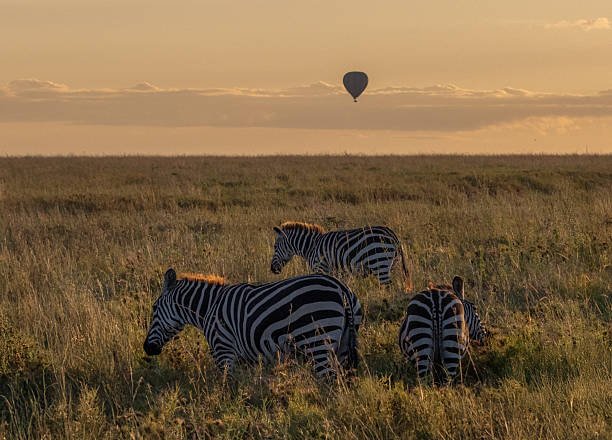
Best Private Tarangire Safari Tours For Wildlife Photographers 2026-2027
Best Private Tarangire Safari Tours for Wildlife Photographers is explained with current 2026-2027 planning, price, itinerary and booking information.
View package detailsTanzania Great Migration Safari Packages For Wildlife Photographers 2026-2027
Tanzania Great Migration Safari Packages for Wildlife Photographers is explained with current 2026-2027 planning, price, itinerary and booking information.
View package detailsNo closely related package is available yet for this topic.

Our Guest Reviews, Currently Feedback from Clients in 2026
Reviews from different sources, including Google Business, Tripadvisor, other platforms, and social media.



