
The 5 Days Marangu Kilimanjaro Christmas Trek – 22–26 December 2026 is an intensive hut-accommodated mountain expedition that ascends Mount Kilimanjaro via the southeastern slope to Uhuru Peak (5,895 meters), designed specifically for active holiday hikers operating within fixed year-end vacation leave. Beginning at Marangu Gate on 22 December and finishing on Boxing Day, 26 December 2026, this short-itinerary classic covers roughly 64 kilometers round-trip, utilizing permanent A-frame wooden dormitory huts at Mandara, Horombo, and Kibo rather than wilderness camping tents. Standard all-inclusive outfitter costs for private climbs in the 2026-2027 holiday season typically range from $1,850 to $2,450 per person, depending on group size, airport transfer arrangements, and hotel nights in Moshi before and after the trek. Because the 5-day profile skips the extra acclimatization day at Horombo Hut, success hinges upon strict pacing, excellent cardiovascular conditioning, and continuous monitoring of blood oxygen saturation.
1. Route Architecture & Christmas Timing Dynamics (22–26 December 2026)
Stepping onto Mount Kilimanjaro during late December places you directly inside one of East Africa’s most energetic holiday trekking corridors. The 5 Days Marangu Kilimanjaro Christmas Trek – 22–26 December 2026 offers a very particular logistical blueprint. It is targeted specifically at hikers whose workplace calendar closes tightly around mid-December, demanding a focused, timed ascent that summits exactly on Christmas morning and returns to base accommodations in time for a post-hike celebration.
Departing on 22 December 2026 allows you to travel into northern Tanzania over the preceding weekend, complete gear checks on 21 December, and hit the trail before the heavier waves of post-Christmas revelers arrive for New Year departures. For travelers comparing this with alternatives such as the 5 Days Marangu Kilimanjaro Full Moon Trek – 21–25 December 2026-2027 or the longer camping itineraries like the 7 Days Machame Route Kilimanjaro Christmas Trek – 20–26 December 2026-2027, the Marangu route’s main distinction is speed and structure.
Marangu follows a singular linear trail profile: you ascend and descend along the exact same path. Unlike Machame, Lemosho, or Rongai, which feature circular routes or different entry and exit gates, Marangu funnels up through the southeastern forest, traverses the moorland ridges past the Mawenzi shadow, pushes directly across the alpine desert saddle, and ascends the steep scree of Gillman’s Point to reach Uhuru Peak. It requires total physical commitment because there is no built-in rest day at 3,720 meters. You climb consecutively for three days, push for the summit on the night of Christmas Eve into Christmas Day, and descend all the way back down over 36 hours.
Critical Calendar Notice: Starting on 22 December means your summit push takes place between 23:00 on Christmas Eve (24 December) and sunrise on Christmas Day (25 December). Reaching Uhuru Peak on Christmas morning is an emotionally unforgettable milestone, but it demands cold-weather mental resilience when other holiday celebrants are resting in lowland lodges.
2. Marangu Hut System vs. Tent Camping Routes in Late December
The defining operational feature of the Marangu route is its permanent hut infrastructure, regulated by the Tanzania National Parks Authority (TANAPA). Every other official climbing route on Kilimanjaro requires tented wilderness camping. In late December, when the short rains (Vuli) are tapering off but occasional heavy cloudbursts still strike the montane forest zone, sleeping inside a hard-roofed wooden hut alters the mountain experience significantly.
The accommodation hierarchy across the trail is straightforward yet basic:
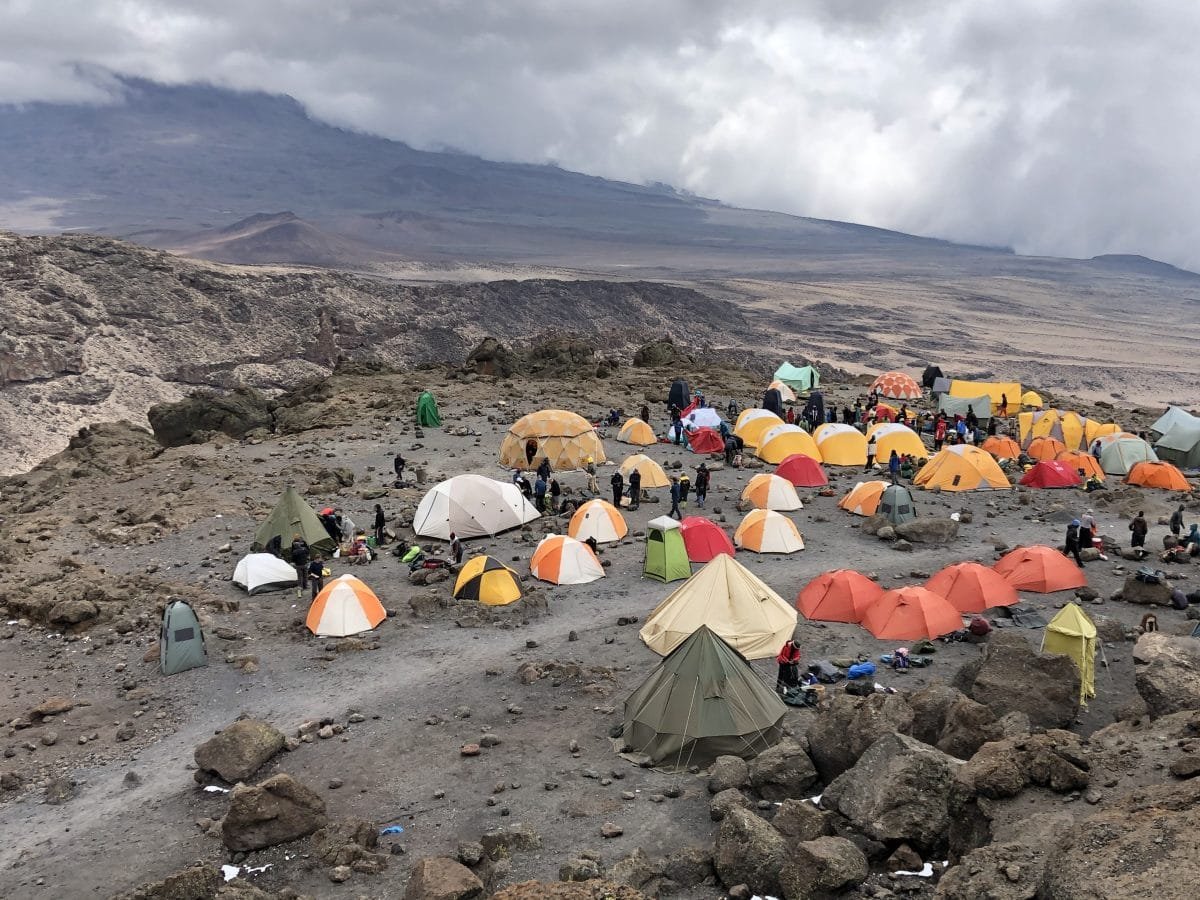
- Mandara Hut (2,700m): Clustered wooden A-frame cabins sleeping 4 to 8 individuals per unit, situated within lush montane forest glades. Equipped with solar lighting and shared, flush-toilet blocks that can freeze during occasional unseasonal snaps.
- Horombo Hut (3,720m): A sprawling mountain village of huts positioned on an open moorland shelf, housing up to 120 trekkers alongside their guides and porters. The wind here is noticeable, and ambient night temperatures consistently drop near freezing (0°C to -3°C).
- Kibo Hut (4,720m): A stark, stone-walled alpine dormitory located in an arid, high-wind saddle zone. Bunk beds feature thick vinyl-covered foam mattresses; there is no heating, running water is unavailable due to sub-freezing temperatures, and climbers rest in full thermal summit layers.
Choosing wooden bunks over canvas tents provides major practical trade-offs. You do not have to worry about water pooling beneath a groundcloth or damp canvas flapping against high mountain winds. Packing up your mountain duffel each morning is faster, and dinner is served inside communal dining halls where climbers from around the globe exchange route conditions over hot soup.
However, huts do not guarantee complete quiet. In late December, hut capacity operates at or near 100%. Dormitories are shared, meaning snoring, headlamps flickering during pre-dawn starts, and frequent coughing from climbers reacting to thin air are part of the nightly environment. If total wilderness isolation is your absolute priority, an open-ridge camping route like the 7 Days Lemosho Kilimanjaro Christmas Climb – 20–26 December 2026 provides far greater personal quiet, albeit with the added exposure of outdoor winter camping.
3. 2026-2027 Pricing, Park Fees, and Transparent Cost Logic
Trekking Kilimanjaro legally requires a licensed crew, certified lead guides, cook teams, and a dedicated mountain porter support structure. The mandatory statutory fees charged by the national park make up more than 65% of an operator’s bare operating cost on a 5-day itinerary. Understanding these baseline figures protects you from predatory ultra-budget operations that cut corners on porter welfare, guide certifications, or critical medical equipment.
For the 2026-2027 season, standard high-standard private climbs on the 5-day Marangu route operate under the pricing tiers detailed below:
| Group Size (Pax) | Estimated Cost Per Climber (USD) | Accommodation Style | Recommended Pre/Post Setup |
|---|---|---|---|
| 1 Solo Climber | $2,380 – $2,550 | Single private room in Moshi; shared mountain hut | 2 Nights Hotel (B&B) + Private JRO Airport Transfers |
| 2 Climbers | $1,980 – $2,150 | Twin/Double room in Moshi; shared mountain hut | 2 Nights Hotel (B&B) + Private JRO Airport Transfers |
| 3–5 Climbers | $1,880 – $1,990 | Twin/Triple room in Moshi; shared mountain hut | 2 Nights Hotel (B&B) + Private JRO Airport Transfers |
| 6–10+ Climbers | $1,750 – $1,850 | Twin rooms in Moshi; shared mountain hut | 2 Nights Hotel (B&B) + Group JRO Airport Transfers |
These figures cover compulsory TANAPA park fees, which for a 5-day Marangu trek include daily conservation fees ($70/day), hut fees ($60/night), mountain rescue fees ($20/trip), and commercial vehicle entry permits, alongside 18% Tanzanian Value Added Tax (VAT). When calculating total tour pricing, reputable operators like TOP GUIDE ADVENTURES factor in fair porter compensation compliant with mountain crew welfare guidelines, comprehensive nutrition plans with fresh vegetables and meats, dedicated mountain cooks, emergency oxygen cylinders, and daily fingertip pulse oximeter monitoring.
What to Clarify Before Booking Your Holiday Space
- Park Fee Adjustments: Verify whether your quote guarantees fixed fees if TANAPA adjusts conservation or rescue levies ahead of the 2026-2027 season.
- Safety Logistics: Ensure your group is equipped with medical-grade oxygen canisters for acute mountain sickness (AMS) containment, a portable stretcher access protocol, and guides certified in Wilderness First Responder (WFR) care.
- Tipping Outlays: Tips are customary on Kilimanjaro and are not included in baseline quotes. Plan on roughly $200 to $250 per climber to be distributed among the guide, cook, and porter team at the Marangu Gate exit ceremony.
- Arrival Airport: Arriving at Kilimanjaro International Airport (JRO) is optimal; landing in Dar es Salaam requires booking internal domestic sectors. For logistics on regional air routing, review our analysis on the best airport to fly into Tanzania for safari, Kilimanjaro, and Zanzibar.
4. Day-by-Day Trekking Blueprint: Gate to Summit to Exit
Because the 5-day version of Marangu omits the rest day at Horombo, each stage must be tackled with strict pacing discipline. Local guides emphasize the phrase “pole, pole” (slowly, slowly) not as a lighthearted tourist catchphrase, but as a clinical necessity to preserve red blood cell adaptation. Below is the operational schedule from trail start through the Christmas Eve push.
Day 1: 22 December 2026 – Marangu Gate to Mandara Hut
The journey begins with a morning briefing and gear reconciliation at your base hotel in Moshi or Arusha. Drive through Chagga agricultural settlements, banana plantations, and coffee groves to arrive at the Marangu Gate (1,870 meters). Here, park authorities weigh all equipment duffels to ensure compliance with the strict 15 kg porter weight limit per trekker.
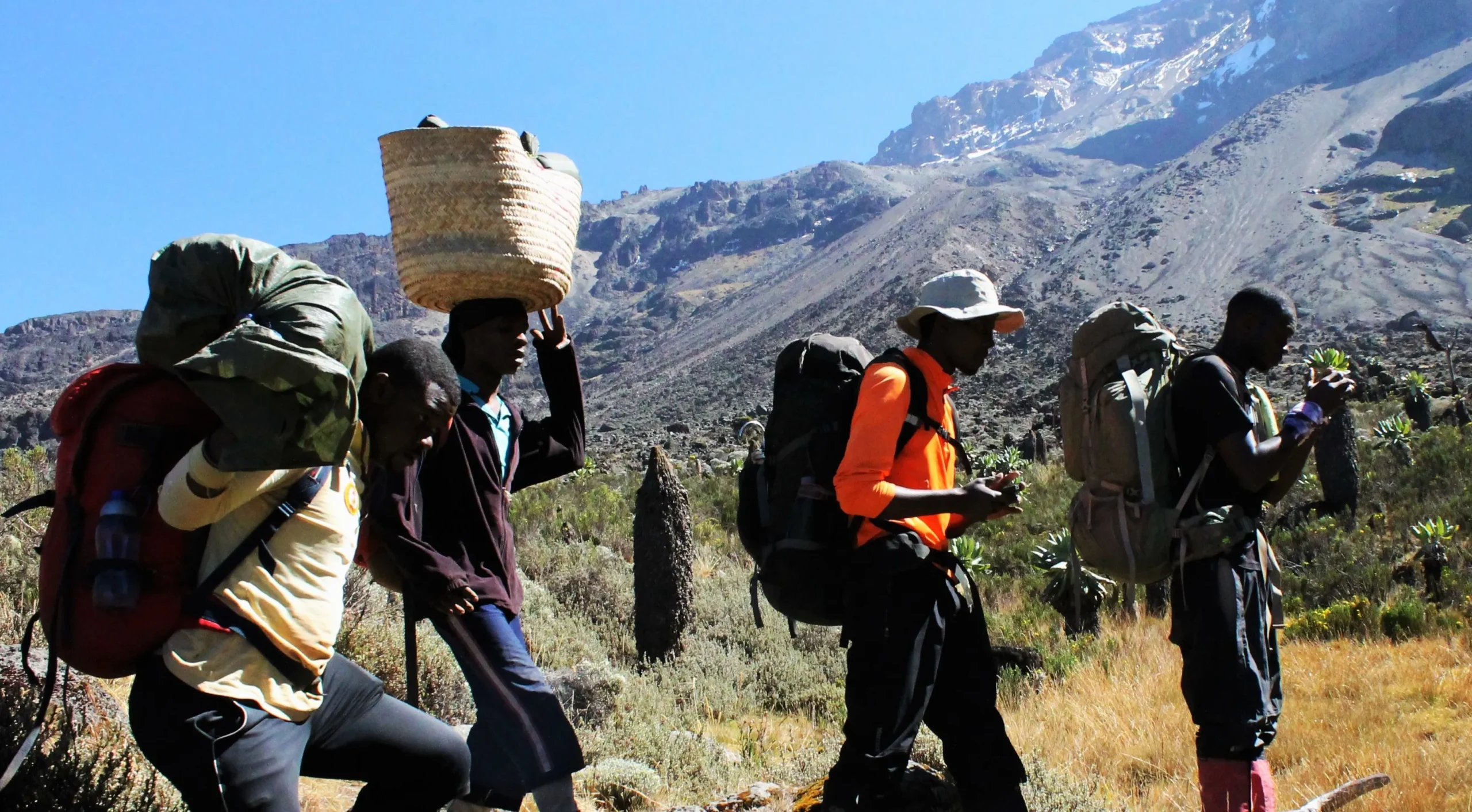
Setting off into the deep canopy of the montane rainforest, the trail features well-graded stone steps and cleared soil tracks. Tall camphorwood, fig trees, and dense ferns drape the path, frequently broken by the sounds of blue monkeys and the striking black-and-white colobus high in the canopy. Moisture is prevalent; mist frequently envelops the lower forest in late December afternoons, making lightweight waterproof gaiters and breathable shell jackets helpful against drip from the leaves.
- Starting Elevation: 1,870 meters / 6,135 feet
- Ending Elevation (Mandara Hut): 2,700 meters / 8,858 feet
- Distance Covered: 8.3 kilometers / 5.1 miles
- Trekking Time: 4 to 5 hours
- Vegetation Zone: Montane Rainforest
- Physical Impact: Moderate; gentle gradient, high humidity, low altitude stress.
Upon reaching Mandara Hut, you settle into your assigned timber cabin. A short optional 45-minute round-trip hike to the rim of Maundi Crater offers your first panoramic views eastward toward the Kenyan border and gives your lungs a light introduction to active acclimatization above 2,750 meters. Return to the dining hall for hot tea, biscuits, and a multi-course dinner before turning in early.
Day 2: 23 December 2026 – Mandara Hut to Horombo Hut
Depart Mandara by 08:00 following a protein-rich breakfast. Within thirty minutes of steady uphill walking, the forest canopy thins rapidly and gives way to the vast heather and moorland zone. The horizon opens dramatically; on a clear late-December morning, the rugged, jagged spires of Mawenzi Peak (5,149 meters) dominate the skyline directly ahead, while the ice-crowned dome of Kibo appears in the distance.
As you walk across undulating ridgelines, you pass giant lobelias and endemic giant groundsels (Dendrosenecio kilimanjari) that look like primeval sentinels scattered across volcanic rock gardens. The air becomes noticeably drier and cooler. Solar radiation intensifies significantly at this altitude; wide-brimmed sun hats and high-factor UV protection are mandatory even if clouds roll across the plains below.
- Starting Elevation: 2,700 meters / 8,858 feet
- Ending Elevation (Horombo Hut): 3,720 meters / 12,205 feet
- Distance Covered: 12.5 kilometers / 7.8 miles
- Trekking Time: 6 to 7 hours
- Vegetation Zone: Low Alpine Moorland & Heath
- Physical Impact: Sustained ascent; total elevation gain exceeds 1,000 vertical meters.
Arriving at Horombo Hut by mid-afternoon, you enter the primary staging ground for the upper mountain. Because you are on the 5-day route, tomorrow does not bring an acclimation rest hike to Zebra Rocks. Instead, you must maximize rest right now. Your guide will perform your evening pulse oximeter assessment, checking resting heart rate and arterial oxygen saturation (SpO2). Drink at least four liters of fluids throughout the day to counter accelerated respiration loss.
Day 3: 24 December 2026 (Christmas Eve) – Horombo Hut to Kibo Hut Across the Saddle
Waking up at Horombo on Christmas Eve, the temperature outside your cabin hovers near freezing. After breakfast, you step out onto the trail heading west. You soon pass the “Last Water Point,” after which porters must carry every liter of water needed for drinking, washing, and cooking at the high camp directly on their shoulders.
The landscape transitions from dwarf heather into the eerie, barren expanse of the Alpine Desert Saddle—a broad 35-square-kilometer plateau connecting the volcanic peaks of Mawenzi and Kibo. The ground here is swept by dry, freezing winds, littered with volcanic pumice and scree. Vegetation disappears almost entirely. With every step above 4,000 meters, atmospheric pressure drops, meaning each breath yields roughly 40% fewer oxygen molecules than at sea level.
Check Availability for 5 Days Marangu Kilimanjaro Christmas Trek – 22–26 December 2026-2027
Ready to compare dates, prices, and the best option for your group? Send the package name and travel month so the team can reply with a clear quote, availability, and what is included.
5 Days Marangu Kilimanjaro New Year Trek – 29 December – 2 January 2026-2027
5 Days Marangu Kilimanjaro New Year Trek – 29 December 2026 – 2 January 2027 is explained with current 2026-2027 planning, price, itinerary and booking.
View package details
5 Days Marangu Kilimanjaro Full Moon Trek – 21–25 December 2026-2027
5 Days Marangu Kilimanjaro Full Moon Trek – 21–25 December 2026 is explained with current 2026-2027 planning, price, itinerary and booking information.
View package details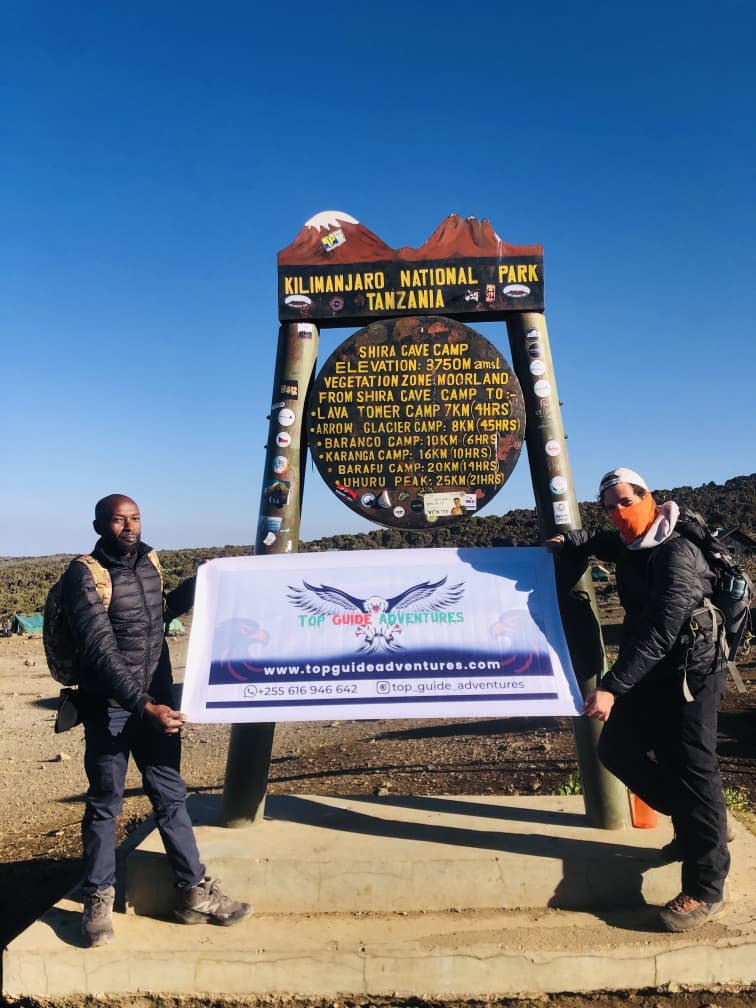
5 Days Marangu Kilimanjaro December Trek – 19–23 2026-2027
5 Days Marangu Kilimanjaro December Trek – 19–23 December 2026 is explained with current 2026-2027 planning, price, itinerary and booking information.
View package details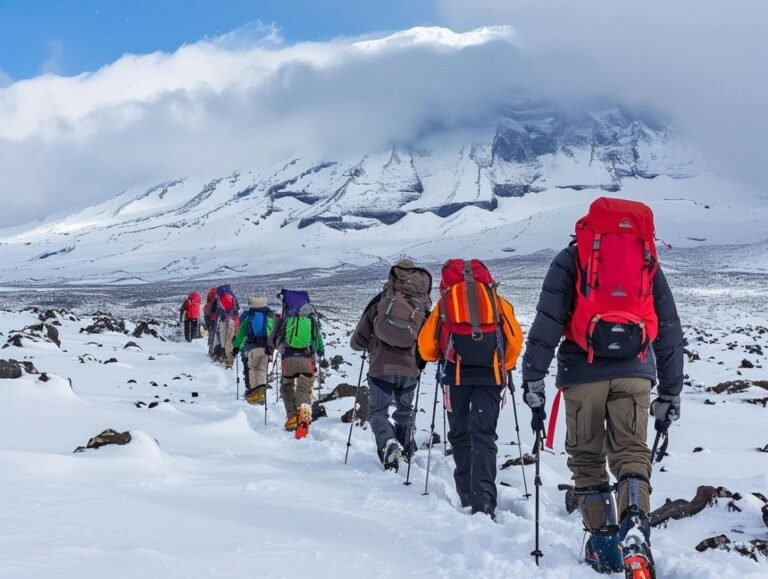
6 Days Marangu Kilimanjaro Hut Trekking – 6–11 December 2026-2027
6 Days Marangu Kilimanjaro Hut Trekking – 6–11 December 2026 is explained with current 2026-2027 planning, price, itinerary and booking information.
View package details
5 Days Marangu Route Kilimanjaro Trek – 2–6 December 2026-2027
5 Days Marangu Route Kilimanjaro Trek – 2–6 December 2026 is explained with current 2026-2027 planning, price, itinerary and booking information.
View package details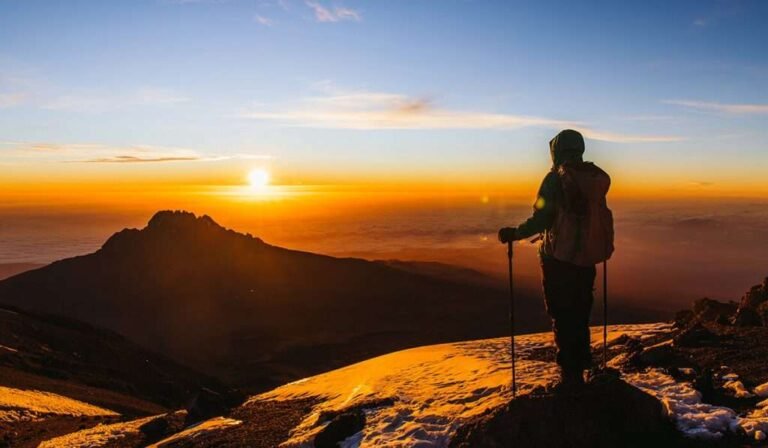
6 Days Marangu Kilimanjaro Full Moon Climb – 20–25 December 2026-2027
6 Days Marangu Kilimanjaro Full Moon Climb – 20–25 December 2026 is explained with current 2026-2027 planning, price, itinerary and booking information.
View package details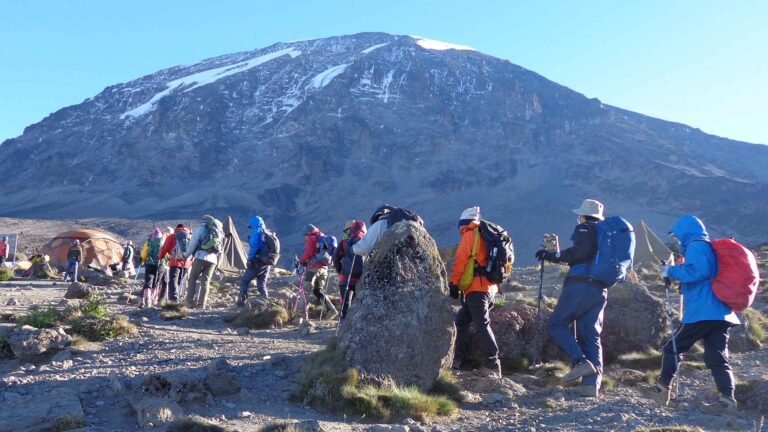
6 Days Machame Kilimanjaro New Year Trek – 28 December – 2 January 2026-2027
6 Days Machame Kilimanjaro New Year Trek – 28 December 2026 – 2 January 2027 is explained with current 2026-2027 planning, price, itinerary and booking.
View package details
6 Days Machame Route Kilimanjaro Group Trek – 3–8 December 2026-2027
A detailed guide to the 6-day Machame Route Kilimanjaro group trek departing 3–8 December 2026, covering route details, daily itinerary, preparation, and booking.
View package details
6 Days Marangu Kilimanjaro New Year Climb – 28 December – 2 January 2026-2027
6 Days Marangu Kilimanjaro New Year Climb – 28 December 2026 – 2 January 2027 is explained with current 2026-2027 planning, price, itinerary and booking.
View package details6 Days Marangu Kilimanjaro Group Hiking – 9–14 December 2026-2027
6 Days Marangu Kilimanjaro Group Hiking – 9–14 December 2026 is explained with current 2026-2027 planning, price, itinerary and booking information.
View package details5 Days Marangu Route Kilimanjaro Group Climb – 8–12 December 2026-2027
5 Days Marangu Route Kilimanjaro Group Climb – 8–12 December 2026 is explained with current 2026-2027 planning, price, itinerary and booking information.
View package details
8 Days Lemosho Kilimanjaro Christmas Trek – 24–31 December 2026-2027
8 Days Lemosho Kilimanjaro Christmas Trek – 24–31 December 2026 is explained with current 2026-2027 planning, price, itinerary and booking information.
View package detailsNo closely related package is available yet for this topic.

Our Guest Reviews, Currently Feedback from Clients in 2026
Reviews from different sources, including Google Business, Tripadvisor, other platforms, and social media.