
The 5 Days Marangu Kilimanjaro December Trek – 19–23 December 2026 is a fast-paced, hut-based high-altitude climb traversing Mount Kilimanjaro’s eastern flank from Marangu Gate (1,860m) to Uhuru Peak (5,895m) and back. Operating over five consecutive days, this route utilizes permanent A-frame and communal sleeping huts—Mandara, Horombo, and Kibo—eliminating tent camping completely. Standard packages for this departure window range from $1,400 to $1,850 per person depending on group size, airport transfers, and pre-climb hotel nights in Moshi or Arusha. Because the five-day profile omits the mid-mountain acclimatization day at Horombo Hut, it demands exceptional cardiovascular endurance, rapid altitude adaptation, or prior acclimatization on Mount Meru. Trekkers aiming for the December 19–23 departure must secure TANAPA hut permits months in advance, as the pre-Christmas window fills quickly with international hikers seeking sheltered mountain lodging.
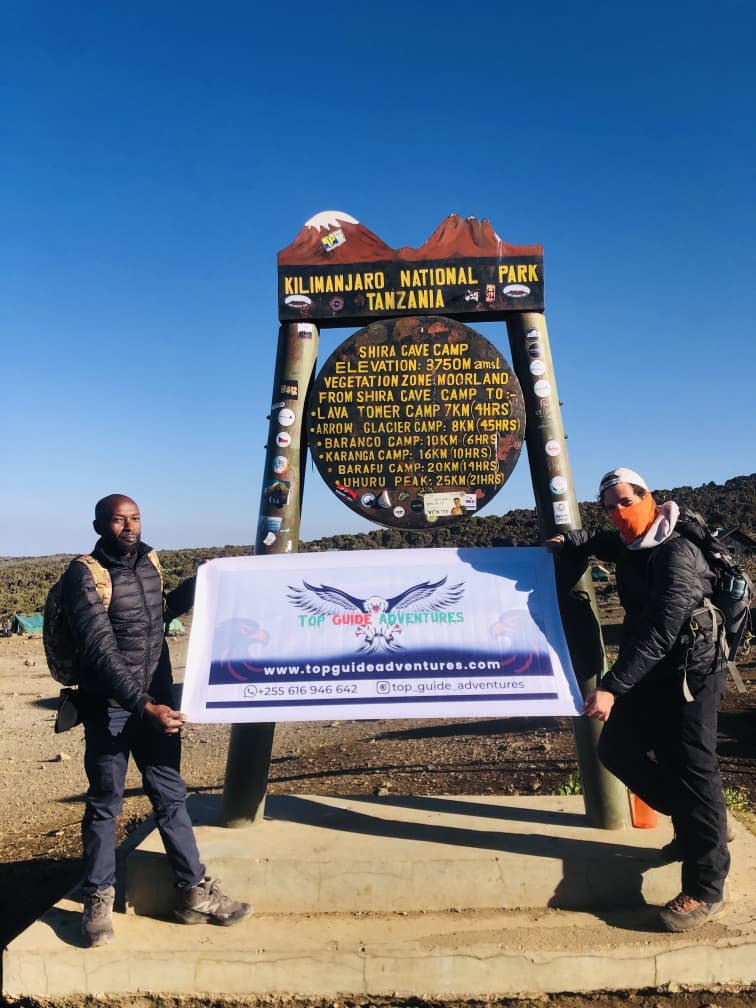
Trek Parameters and Cost Breakdown for 19–23 December 2026
Organizing a mountain expedition over the fixed dates of 19–23 December 2026 places trekkers in the transitional corridor between the late short rains and the bustling Christmas holiday season. On Mount Kilimanjaro, the Marangu Route remains the only trail system providing serviced wooden and stone huts featuring foam mattresses, solar-powered lighting, and partitioned communal dining halls. This structural infrastructure makes the route popular for late December travel, when afternoon showers can quickly saturate standard tent flysheets on camping paths like Machame or Lemosho.
Pricing for the 5 Days Marangu Kilimanjaro December Trek – 19–23 December 2026 relies on mandatory statutory charges set by the Tanzania National Parks Authority (TANAPA) alongside operational logistics handled by registered local operators like TOP GUIDE ADVENTURES. A realistic mid-range private climb typically costs between $1,450 and $1,850 per climber, while shared open departures usually settle between $1,380 and $1,550 per person for groups of four or more. Trekkers should scrutinize quotes that appear significantly below this baseline; rock-bottom operators frequently compromise on porter welfare, guide-to-client safety ratios, or mountain-grade medical gear.
Estimated Expedition Budget: 5-Day Marangu Departure (2026-2027 Season)
| Expense Component | Estimated Cost (USD) | Operational Purpose and Conditions |
|---|---|---|
| TANAPA Park & Conservation Fees | $350 – $420 | Mandatory statutory daily conservation tariff per non-resident adult. |
| Hut Accommodation Tariffs | $240 – $300 | Mandatory per-night fees for Mandara, Horombo, and Kibo facilities. |
| Rescue & Environmental Fees | $50 – $70 | Covers mountain rescue vehicle evacuation access and waste clearance. |
| Crew Wages & Food Rations | $450 – $600 | Fair compensation for lead guides, assistant guides, cook, and porters. |
| Logistics, Fuel & Town Transfers | $120 – $180 | Private transfer from Moshi/Arusha to Marangu Gate and return. |
| Crew Gratuity (Discretionary Benchmark) | $150 – $250 | Pooled group tipping distributed directly to mountain crew at the gate. |
When selecting your booking path for 2026-2027, understand the trade-offs between a scheduled group climb and a private departure. A group climb balances fixed logistics across multiple travelers, keeping per-person vehicle and guiding costs lower, which is why travelers often compare this schedule to options like the 5 Days Marangu Route Kilimanjaro Group Climb – 8–12 December or the slightly earlier 5 Days Marangu Route Kilimanjaro Trek – 2–6 December 2026-2027. However, a private trek on 19–23 December 2026 grants exclusive pacing on the trail, custom dining preferences, and focused medical attention from your lead guide—invaluable assets when managing the compressed altitude profile of a five-day itinerary.
Every mountain expedition planned through TOP GUIDE ADVENTURES includes personal local coordination from your arrival at Kilimanjaro International Airport (JIA/KIA), transport to your base hotel in Moshi or Arusha, licensed Wilderness First Responder (WFR) mountain guides, daily physiological monitoring with a pulse oximeter, and emergency bottled oxygen for acute high-altitude illness management. Climbers should establish their travel dates early to secure limited Kibo Hut bunk spaces, which cap out faster than open campsites.
December Meteorological Profile on the Eastern Slopes
Kilimanjaro’s weather patterns are governed by the inter-tropical convergence zone, creating distinct seasonal phases. The date window of 19–23 December 2026 occupies a key turning point. Early December often receives the tail-end of the short rains (known locally as the Vuli), whereas late December marks the onset of the warm, relatively dry season that runs through February. Ascending the southeastern face via the Marangu trail means moving through five distinct microclimates over a span of fewer than 50 horizontal kilometers.
During this mid-to-late December window, morning skies in the montane forest and heather zones are generally clear, crisp, and sunny. By early afternoon (usually between 13:00 and 15:30), localized thermal convection often pulls moisture up the eastern slopes, creating localized rainfall in the rainforest and cloud cover across the moorland. Higher up, on the barren alpine desert leading into the Saddle between Mawenzi and Kibo, precipitation drops substantially, turning into brief sleet or light snowfall during sub-zero nights.
Field Note on December Trail Footing: Lower paths between Marangu Gate and Mandara Hut can be wet and slippery due to seasonal showers. Sturdy waterproof trekking boots paired with breathable gaiters prevent mud infiltration, while dual trekking poles ease strain on your knees and stabilize your balance on slick tree roots and exposed basalt rock steps.
The operational advantage of the Marangu route during this specific late-December period is its structural shelter. Trekkers arriving at Mandara or Horombo Hut walk directly into dry wooden A-frame cabins rather than setting up saturated nylon tents on cold, sodden earth. For climbers planning subsequent bush itineraries—such as exploring best Tanzania safari packages after climbing Mount Kilimanjaro—remaining dry throughout your mountain ascent preserves stamina and prevents the rapid heat loss that leads to early fatigue or hypothermia.
Temperatures shift dramatically across the five-day journey. At the lower trailheads near Marangu Gate (1,860m), expect daytime highs around 22°C to 25°C with moderate humidity. By the time you reach Horombo Hut (3,720m), daytime temperatures hover around 10°C to 14°C, dropping sharply to 0°C or -2°C after sunset. At Kibo Hut (4,703m) and during the midnight push up to Uhuru Peak (5,895m), summit air temperatures routinely plunge to between -8°C and -15°C, made sharper by wind chill across the open crater rim.
The 5-Day Profile: Managing Altitude Without an Acclimatization Day
The primary tactical consideration of the 5 Days Marangu Kilimanjaro December Trek – 19–23 December 2026 is its unrelenting vertical timeline. Unlike the standard 6-day variant—such as the 6 Days Marangu Kilimanjaro Hut Trekking – 6–11 December or the 6 Days Marangu Route Kilimanjaro Group Departure – 16–21 December—the 5-day itinerary completely bypasses the customary rest and acclimatization day at Horombo Hut.
Check Availability for 5 Days Marangu Kilimanjaro December Trek – 19–23 2026-2027
Ready to compare dates, prices, and the best option for your group? Send the package name and travel month so the team can reply with a clear quote, availability, and what is included.
5 Days Marangu Kilimanjaro New Year Trek – 29 December – 2 January 2026-2027
5 Days Marangu Kilimanjaro New Year Trek – 29 December 2026 – 2 January 2027 is explained with current 2026-2027 planning, price, itinerary and booking.
View package details
5 Days Marangu Kilimanjaro Christmas Trek – 22–26 December 2026-2027
5 Days Marangu Kilimanjaro Christmas Trek – 22–26 December 2026 is explained with current 2026-2027 planning, price, itinerary and booking information.
View package details
5 Days Marangu Kilimanjaro Full Moon Trek – 21–25 December 2026-2027
5 Days Marangu Kilimanjaro Full Moon Trek – 21–25 December 2026 is explained with current 2026-2027 planning, price, itinerary and booking information.
View package details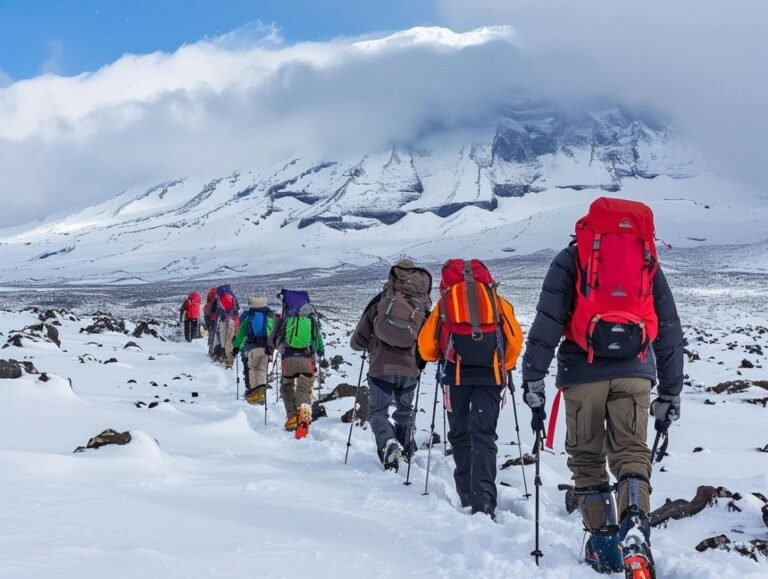
6 Days Marangu Kilimanjaro Hut Trekking – 6–11 December 2026-2027
6 Days Marangu Kilimanjaro Hut Trekking – 6–11 December 2026 is explained with current 2026-2027 planning, price, itinerary and booking information.
View package details
5 Days Marangu Route Kilimanjaro Trek – 2–6 December 2026-2027
5 Days Marangu Route Kilimanjaro Trek – 2–6 December 2026 is explained with current 2026-2027 planning, price, itinerary and booking information.
View package details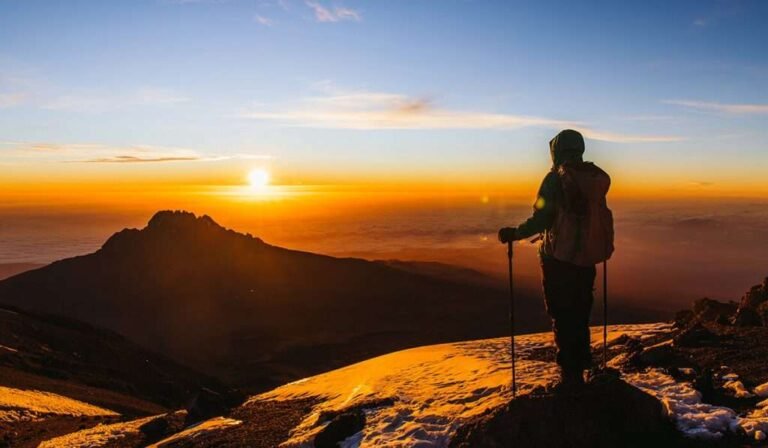
6 Days Marangu Kilimanjaro Full Moon Climb – 20–25 December 2026-2027
6 Days Marangu Kilimanjaro Full Moon Climb – 20–25 December 2026 is explained with current 2026-2027 planning, price, itinerary and booking information.
View package details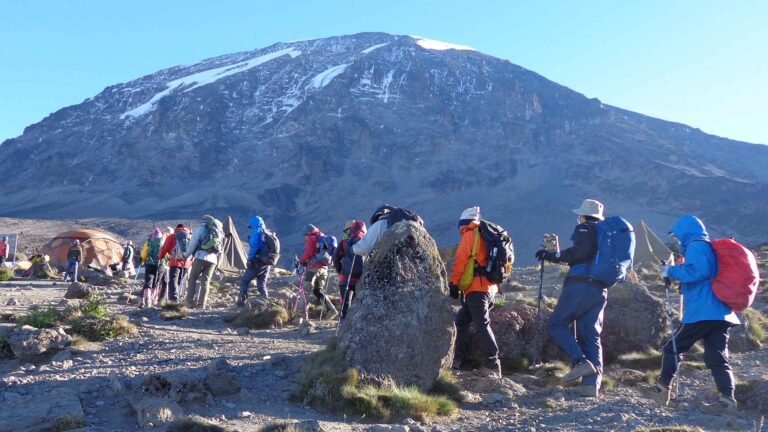
6 Days Machame Kilimanjaro New Year Trek – 28 December – 2 January 2026-2027
6 Days Machame Kilimanjaro New Year Trek – 28 December 2026 – 2 January 2027 is explained with current 2026-2027 planning, price, itinerary and booking.
View package details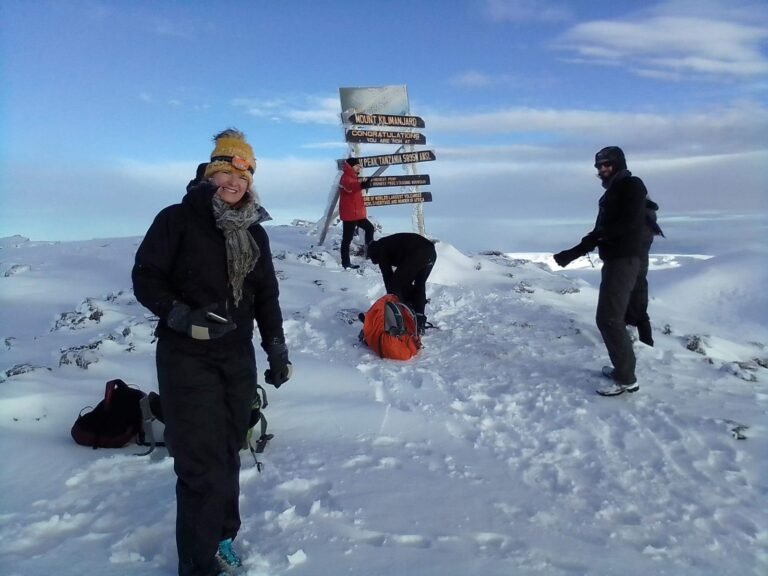
6 Days Machame Route Kilimanjaro Group Trek – 3–8 December 2026-2027
A detailed guide to the 6-day Machame Route Kilimanjaro group trek departing 3–8 December 2026, covering route details, daily itinerary, preparation, and booking.
View package details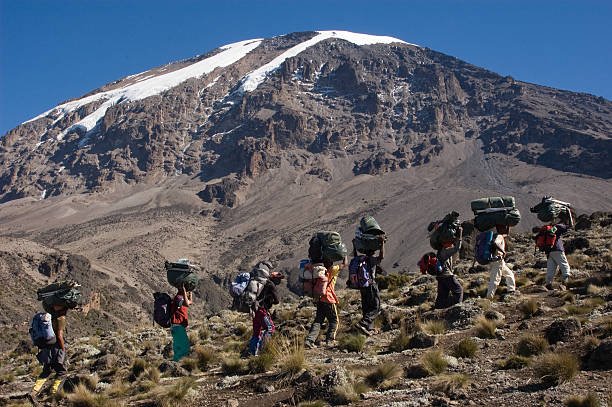
6 Days Marangu Kilimanjaro New Year Climb – 28 December – 2 January 2026-2027
6 Days Marangu Kilimanjaro New Year Climb – 28 December 2026 – 2 January 2027 is explained with current 2026-2027 planning, price, itinerary and booking.
View package details6 Days Marangu Kilimanjaro Group Hiking – 9–14 December 2026-2027
6 Days Marangu Kilimanjaro Group Hiking – 9–14 December 2026 is explained with current 2026-2027 planning, price, itinerary and booking information.
View package details5 Days Marangu Route Kilimanjaro Group Climb – 8–12 December 2026-2027
5 Days Marangu Route Kilimanjaro Group Climb – 8–12 December 2026 is explained with current 2026-2027 planning, price, itinerary and booking information.
View package details6 Days Machame Kilimanjaro Full Moon Climb – 20–25 December 2026-2027
6 Days Machame Kilimanjaro Full Moon Climb – 20–25 December 2026 is explained with current 2026-2027 planning, price, itinerary and booking information.
View package detailsNo closely related package is available yet for this topic.

Our Guest Reviews, Currently Feedback from Clients in 2026
Reviews from different sources, including Google Business, Tripadvisor, other platforms, and social media.