
The 5 Days Marangu Kilimanjaro New Year Trek – 29 December 2026 – 2 January 2027 is a fixed-calendar mountain expedition that places hikers on Uhuru Peak (5,895 m) at sunrise on 1 January 2027. Operating on Kilimanjaro’s only hut-accommodated path, the itinerary starts at Marangu Gate (1,870 m) on 29 December, reaches Kibo Hut (4,720 m) by New Year’s Eve afternoon, launches the midnight summit push into New Year’s Day, and exits the national park on 2 January. Total operator package prices for the 2026-2027 festive window range between $1,550 and $2,250 per person depending on group size, private logistics, and pre-trek Moshi hotel tiers. Because this 5-day profile skips the intermediate acclimatization day at Horombo Hut, it suits physically prepared climbers with prior high-altitude exposure who want to celebrate New Year at Africa’s highest point on a compact time budget.
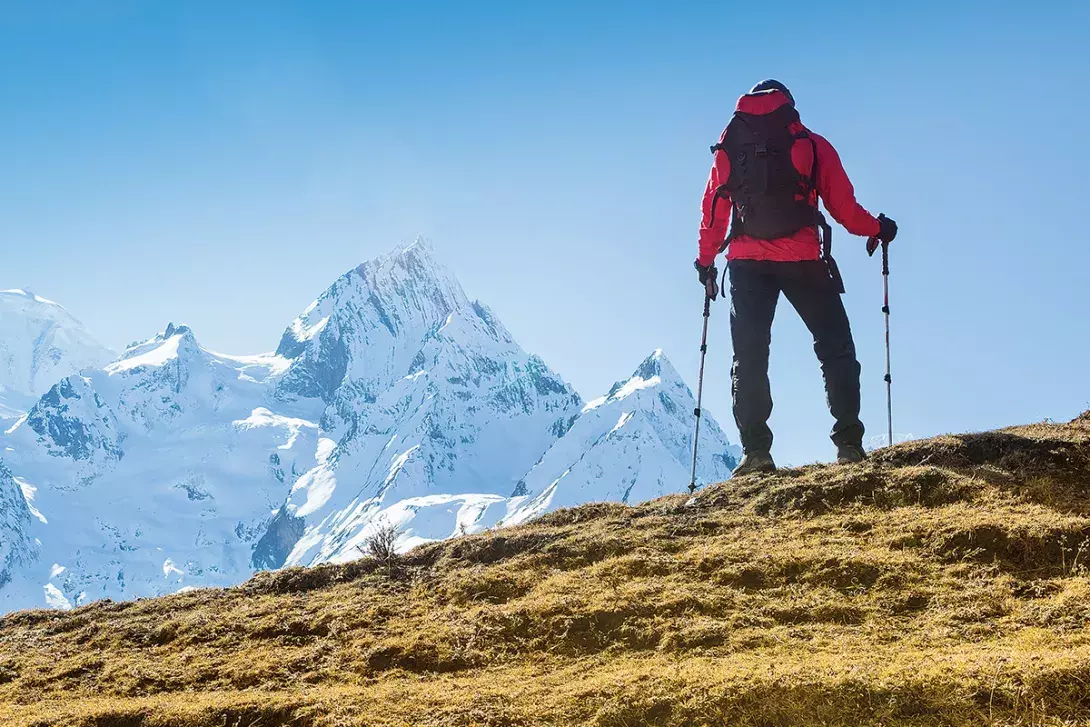
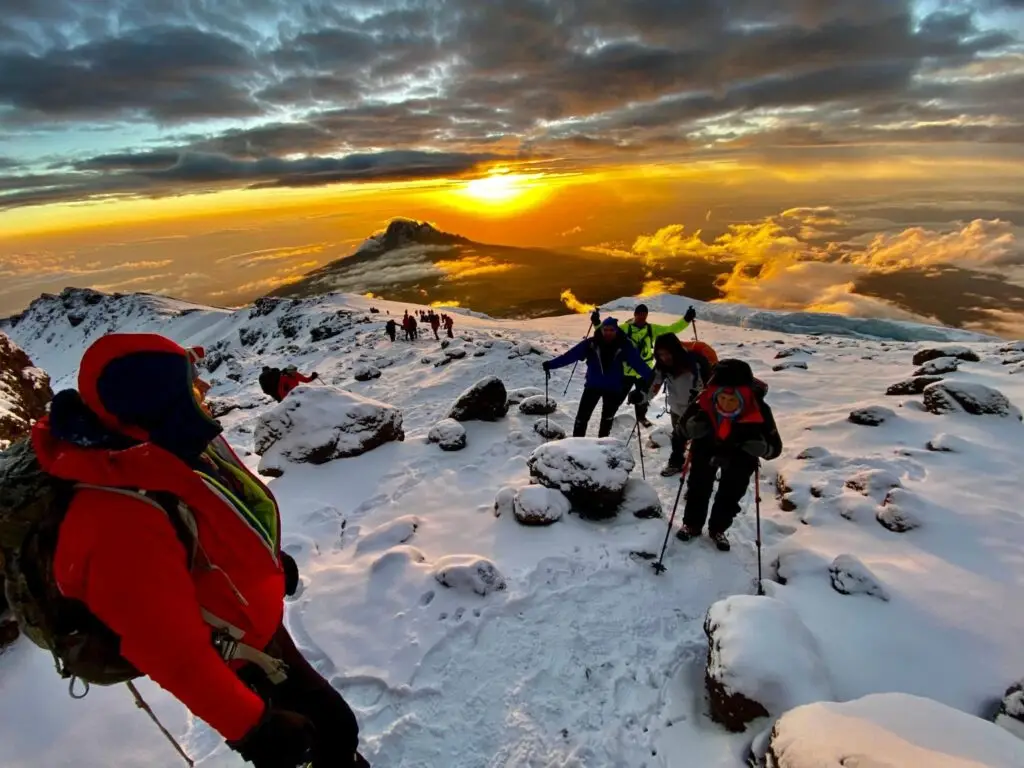
Route Mechanics: 29 December 2026 to 2 January 2027 Calendar
Choosing the five-day Marangu itinerary for the turn of the year requires an exact understanding of timing. The primary draw of starting on 29 December 2026 is not merely celebrating the holiday season on Mount Kilimanjaro; it is the specific mathematical alignment that delivers you to Gilman’s Point (5,685 m) and Uhuru Peak (5,895 m) in the opening hours of 1 January 2027.
Unlike camping trails such as Machame or Lemosho, Marangu channels all ascending and descending foot traffic onto a single, established track on the southeastern flank of the mountain. In a standard 5-day framework, the progression is direct, continuous, and leaves zero margin for rest pauses:
- Day 1 (29 December 2026): Marangu Gate (1,870 m) to Mandara Hut (2,720 m). Transition through the montane rain forest zone.
- Day 2 (30 December 2026): Mandara Hut (2,720 m) to Horombo Hut (3,720 m). Clearance of the forest boundary into the open heath and moorland.
- Day 3 (31 December 2026): Horombo Hut (3,720 m) across the Alpine Saddle to Kibo Hut (4,720 m). Rest, gear preparation, and pre-summit sleep before 23:00.
- Day 4 (1 January 2027): Midnight departure from Kibo Hut, summiting Uhuru Peak for the first sunrise of the new year, followed by descent back to Horombo Hut.
- Day 5 (2 January 2027): Final descent from Horombo Hut back to Marangu Gate for clearance, certification, and vehicle transfer back to Moshi or Arusha.
This timeline appeals to time-restricted professionals who have limited annual leave over the Christmas and New Year break. If you are comparing holiday itineraries, a popular alternative is the 6 Days Marangu Kilimanjaro New Year Climb – 28 December – 2 January 2026-2027, which inserts an extra acclimatization day at Horombo Hut on 30 December. Selecting the 5-day route means you consciously accept a steeper physiological ascent rate in exchange for saving one calendar day and associated national park conservation fees.
Cost Structure and Package Pricing for New Year 2026-2027
Peak festive dates generate severe demand across Kilimanjaro National Park (KINAPA) infrastructure. While mountain trail capacity is vast, hut beds on the Marangu route are strictly capped: Mandara accommodates approximately 60 to 80 hikers, Horombo accommodates around 120, and Kibo Hut holds roughly 60 beds in shared stone bunk rooms. For this reason, rates for the 29 December 2026 – 2 January 2027 window reflect high-season allocation constraints.
Expected Package Pricing: 5 Days Marangu New Year Departure
For the 2026-2027 festive departure, reputable local operators organize this route as either a small group joining departure or a dedicated private climb. Pricing ranges are dictated by group scale and hotel logistics before and after the trek:
- Small Group Joining (4–10 hikers): $1,550 to $1,750 per person
- Private Trek (2 hikers): $1,780 to $1,980 per person
- Solo Private Trek: $2,100 to $2,350
To evaluate whether a quoted price from an outfitter is legitimate or dangerously discounted, you must scrutinize statutory fees. Fixed park payments commanded by the Tanzania National Parks Authority (TANAPA) make up more than 60% of your gross package cost before factoring in crew wages, food supplies, transport, and equipment maintenance.
| Fee Category (5 Days / 4 Nights) | Statutory Rate per Non-Resident Adult | Operational Role |
|---|---|---|
| Conservation Fees | $70 per day x 5 days = $350 | Direct park entry and preservation contribution to TANAPA |
| Hut Accommodation Fees | $60 per night x 4 nights = $240 | Bed allocation at Mandara, Horombo, and Kibo Huts |
| Rescue Fee | $20 per trek | Covers ground-based wheeled stretcher rescue services |
| Crew Park Entry Fees | ~$40–$55 per crew allocation | Required park entry and camping fees for guides, cooks, and porters |
| 18% Value Added Tax (VAT) | Calculated on all statutory fees (~$115–$130) | Mandatory Tanzanian revenue service tax |
When you account for baseline statutory park tariffs exceeding $750 to $800 per person, any operator offering a 5-day Marangu New Year package under $1,400 is cutting corners either on fair mountain crew compensation, nutritional caloric density, or critical safety equipment such as bottled medical oxygen and certified pulse oximeters. Transparent operators like TOP GUIDE ADVENTURES maintain ethical crew-to-climber ratios (typically 3 to 4 crew members per hiker on Marangu) while ensuring licensed Wilderness First Responder (WFR) guides lead the group.
The 5-Day Trade-Off: Acclimatization Risk vs. Time Efficiency
The 5-day Marangu program is the shortest permitted legal route to Uhuru Peak. While the trail grade is often labeled the easiest on the mountain due to its well-graded gravel paths and absence of technical scrambling, it suffers statistically from one of the lowest summit success rates on the entire mountain—frequently cited between 50% and 60% across general park registers.
The reason is physiological, not mechanical. On the 5-day itinerary, you ascend from 1,870 meters at Marangu Gate to 4,720 meters at Kibo Hut in roughly 54 hours, followed immediately by an overnight push to 5,895 meters. You bypass the crucial acclimatization pause that is standard on the 6-day profile, where climbers sleep two consecutive nights at Horombo Hut (3,720 m) and spend the intermediate day hiking to the Zebra Rocks (4,020 m) to stimulate red blood cell production.
Operator Judgment Note: Who should actually book the 5-day variant for New Year 2026-2027? We recommend this route specifically to trekkers who have pre-acclimatized—such as climbing Mount Meru (4,562 m) immediately prior—or experienced mountain runners and hillwalkers with verified resilience above 4,000 meters. If you arrive straight from sea level without prior altitude exposure, you will contend with acute mountain sickness (AMS) symptoms at Kibo Hut, significantly diminishing your odds of standing on Uhuru Peak when 2027 begins. For a more gradual profile over the holiday, consider the 7 Days Lemosho Kilimanjaro New Year Trek – 27 December – 2 January 2026-2027 or the longer 8 Days Lemosho Kilimanjaro New Year Summit Climb.
To maximize success on this tight timeline, your mountain crew enforces a strict pole pole (slowly, slowly) pace from the very first hour in the rain forest. Moving slowly keeps your heart rate low, minimizes metabolic waste accumulation, and allows your respiratory system to adapt gradually to the decreasing partial pressure of oxygen.
Hut Accommodation Dynamics: Mandara, Horombo, and Kibo
The single operational feature distinguishing Marangu from every other Kilimanjaro path is its network of permanent wooden A-frame cabins and communal stone dining halls. If your priority for a New Year climb is staying out of four-season tents during cold late-December evenings, Marangu provides physical shelter from high winds and freezing rain.
However, many travelers hold misconceptions about what mountain huts on Kilimanjaro actually offer. They are not alpine hotels; they are shared, unheated park dormitories designed for Spartan mountain functionality:
Check Availability for 5 Days Marangu Kilimanjaro New Year Trek – 29 December – 2 January 2026-2027
Ready to compare dates, prices, and the best option for your group? Send the package name and travel month so the team can reply with a clear quote, availability, and what is included.
6 Days Machame Kilimanjaro New Year Trek – 28 December – 2 January 2026-2027
6 Days Machame Kilimanjaro New Year Trek – 28 December 2026 – 2 January 2027 is explained with current 2026-2027 planning, price, itinerary and booking.
View package details
6 Days Marangu Kilimanjaro New Year Climb – 28 December – 2 January 2026-2027
6 Days Marangu Kilimanjaro New Year Climb – 28 December 2026 – 2 January 2027 is explained with current 2026-2027 planning, price, itinerary and booking.
View package details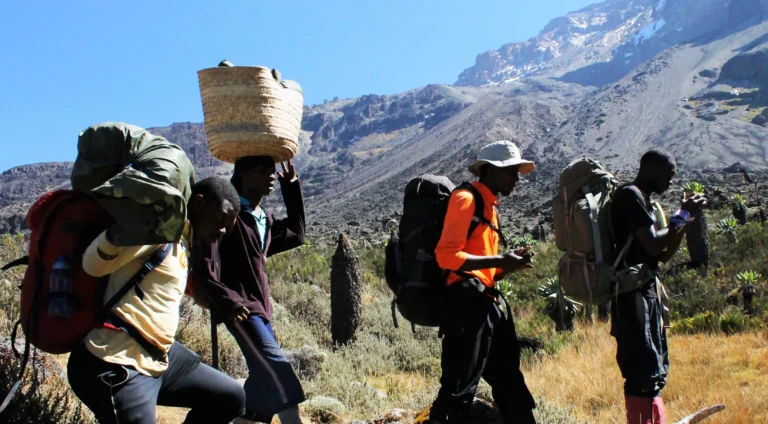
5 Days Marangu Kilimanjaro Christmas Trek – 22–26 December 2026-2027
5 Days Marangu Kilimanjaro Christmas Trek – 22–26 December 2026 is explained with current 2026-2027 planning, price, itinerary and booking information.
View package details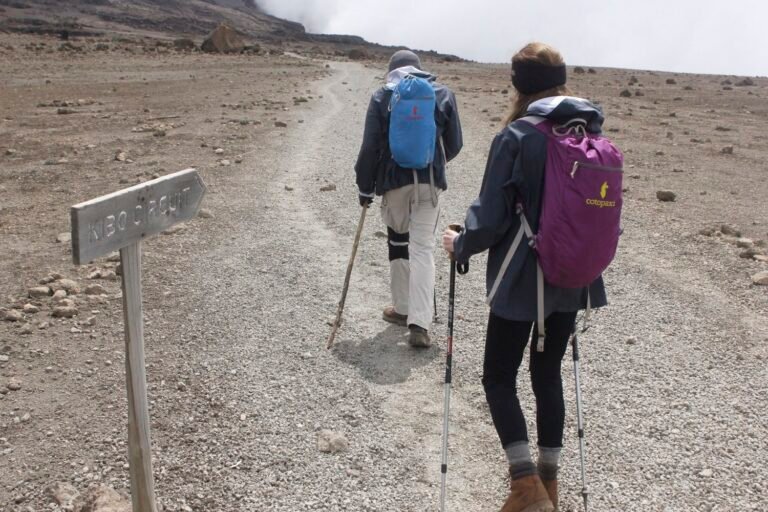
5 Days Marangu Kilimanjaro Full Moon Trek – 21–25 December 2026-2027
5 Days Marangu Kilimanjaro Full Moon Trek – 21–25 December 2026 is explained with current 2026-2027 planning, price, itinerary and booking information.
View package details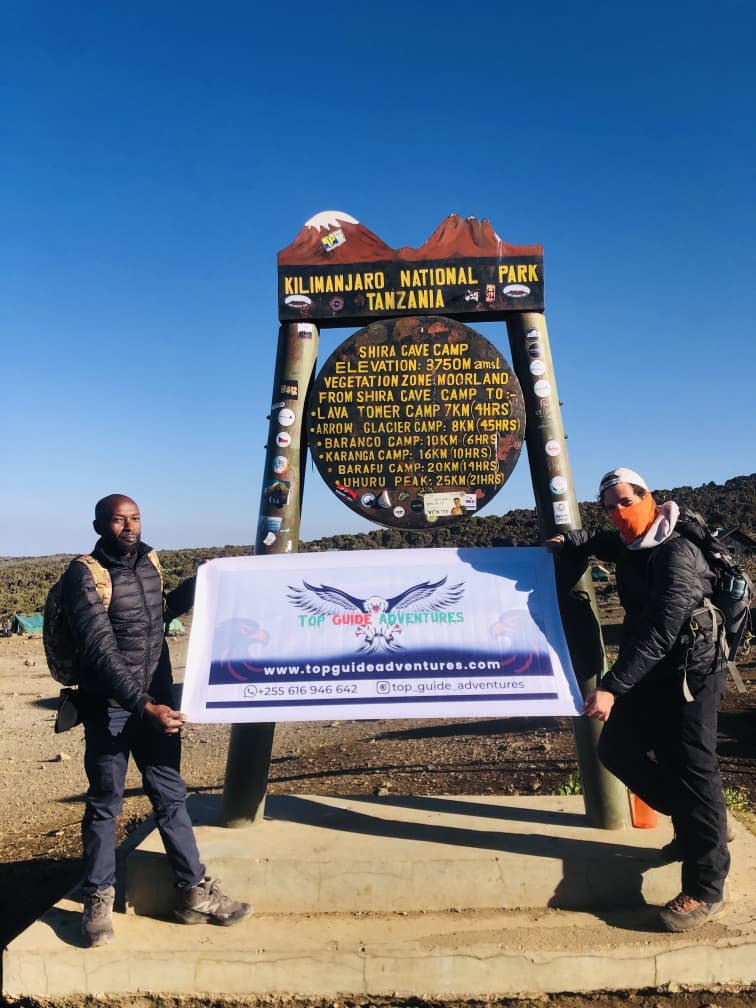
5 Days Marangu Kilimanjaro December Trek – 19–23 2026-2027
5 Days Marangu Kilimanjaro December Trek – 19–23 December 2026 is explained with current 2026-2027 planning, price, itinerary and booking information.
View package details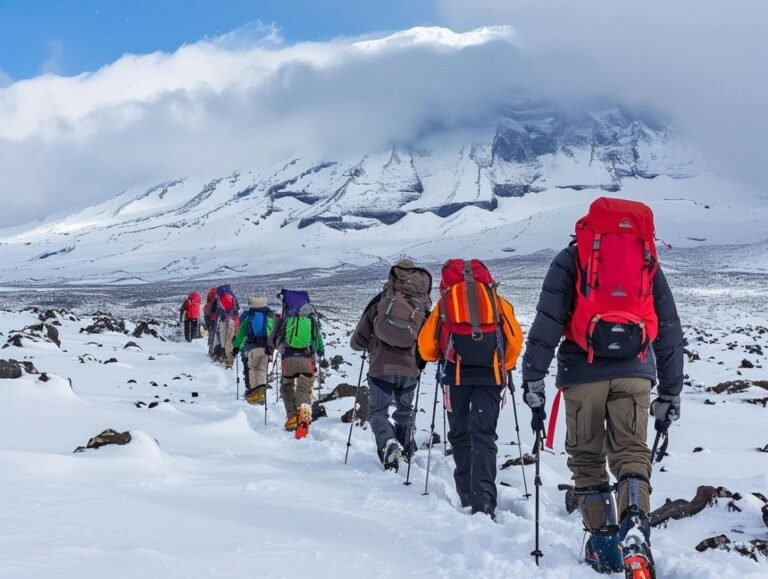
6 Days Marangu Kilimanjaro Hut Trekking – 6–11 December 2026-2027
6 Days Marangu Kilimanjaro Hut Trekking – 6–11 December 2026 is explained with current 2026-2027 planning, price, itinerary and booking information.
View package details
5 Days Marangu Route Kilimanjaro Trek – 2–6 December 2026-2027
5 Days Marangu Route Kilimanjaro Trek – 2–6 December 2026 is explained with current 2026-2027 planning, price, itinerary and booking information.
View package details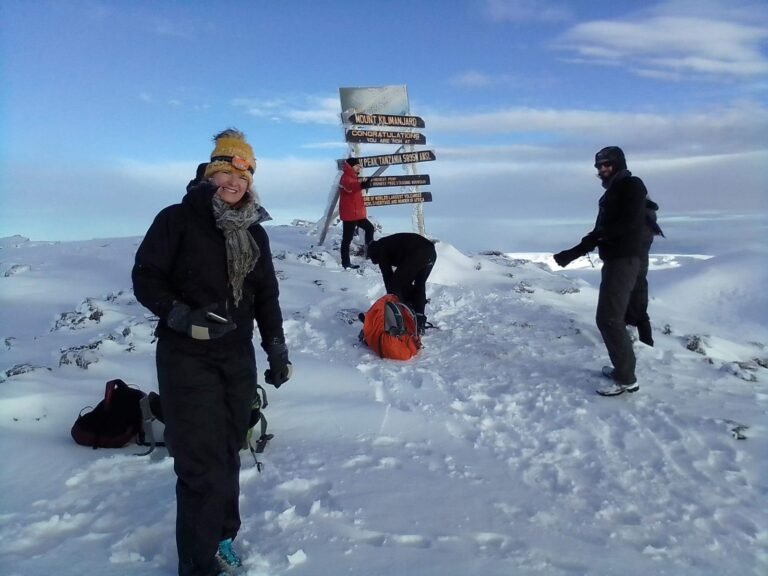
7 Days Lemosho Kilimanjaro New Year Trek – 27 December – 2 January 2026-2027
7 Days Lemosho Kilimanjaro New Year Trek – 27 December 2026 – 2 January 2027 is explained with current 2026-2027 planning, price, itinerary and booking.
View package details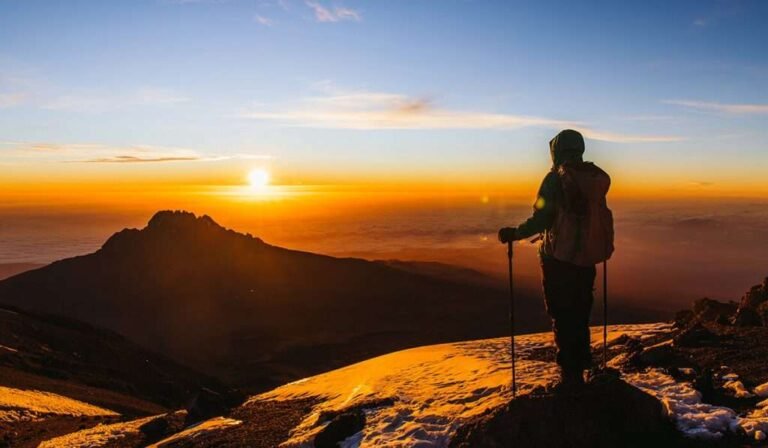
6 Days Marangu Kilimanjaro Full Moon Climb – 20–25 December 2026-2027
6 Days Marangu Kilimanjaro Full Moon Climb – 20–25 December 2026 is explained with current 2026-2027 planning, price, itinerary and booking information.
View package details6 Days Machame Route Kilimanjaro Group Trek – 3–8 December 2026-2027
A detailed guide to the 6-day Machame Route Kilimanjaro group trek departing 3–8 December 2026, covering route details, daily itinerary, preparation, and booking.
View package details6 Days Marangu Kilimanjaro Group Hiking – 9–14 December 2026-2027
6 Days Marangu Kilimanjaro Group Hiking – 9–14 December 2026 is explained with current 2026-2027 planning, price, itinerary and booking information.
View package details5 Days Marangu Route Kilimanjaro Group Climb – 8–12 December 2026-2027
5 Days Marangu Route Kilimanjaro Group Climb – 8–12 December 2026 is explained with current 2026-2027 planning, price, itinerary and booking information.
View package detailsNo closely related package is available yet for this topic.

Our Guest Reviews, Currently Feedback from Clients in 2026
Reviews from different sources, including Google Business, Tripadvisor, other platforms, and social media.