The 5 Days Marangu Kilimanjaro Full Moon Trek – 21–25 December 2026 is a fast-paced, hut-accommodated climb on Mount Kilimanjaro that places trekkers on the upper scree slopes and summit crater during the peak lunar illumination of December 2026. Covering 64 kilometers round-trip via the classic Marangu Route, this itinerary starts and finishes at Marangu Gate, utilizing communal A-frame wooden huts at Mandara, Horombo, and Kibo. Because this condensed 5-day profile skips the additional acclimatization rest day at Horombo Hut, it carries an aggressive altitude gradient suited primarily for physically conditioned hikers or those who have pre-acclimatized on Mount Meru. Trek packages for December 2026 generally range between $1,450 and $1,980 per person depending on party size and private logistics, covering mandatory Tanzania National Parks (TANAPA) fees, certified guiding, porter support, mountain hut berths, and full-board catering.
The December 2026 Lunar Calendar: Timing the Marangu Summit Push
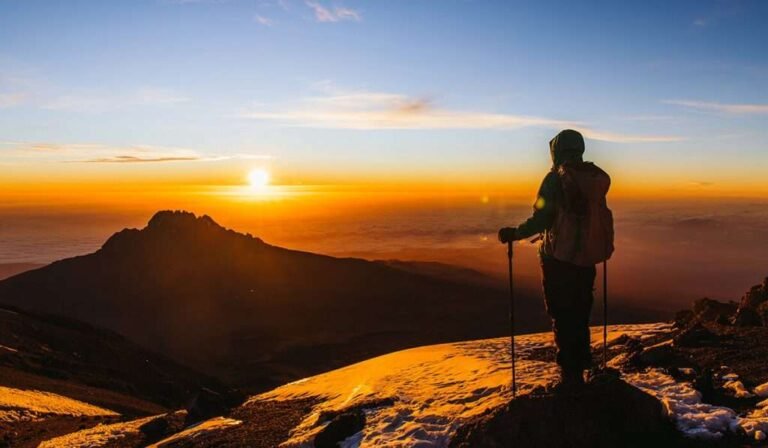
Climbing Kilimanjaro under a full moon transforms the final push from Kibo Hut to Uhuru Peak into a distinct sensory experience. In December 2026, the astronomical full moon occurs on 24 December 2026, positioning the 21–25 December departure window precisely across the peak of lunar brightness. For climbers on this specific 5-day Marangu itinerary, the summit assault begins just before midnight on 23 December, carrying you past Hans Meyer Cave and onto Gilman’s Point (5,685m) during the early morning hours of 24 December as the mountain is bathed in bright reflected light.
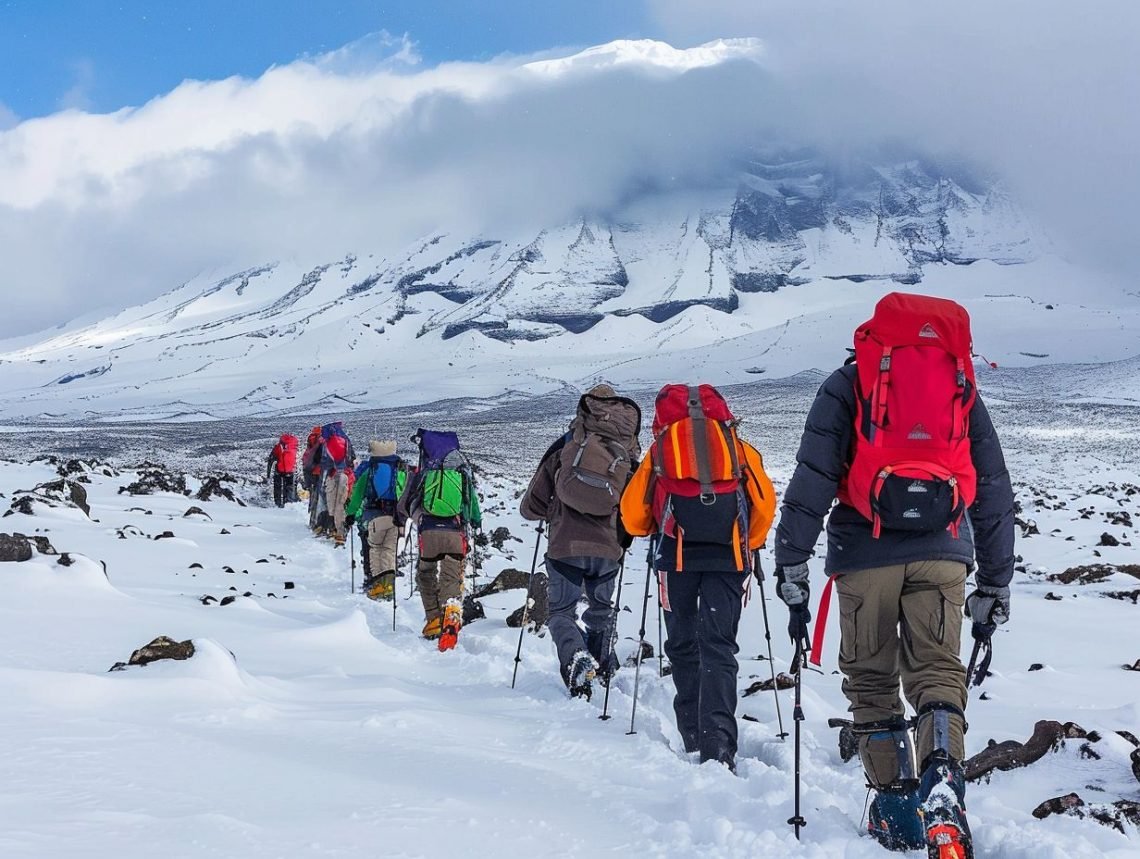
This timing creates tangible tactical advantages on the mountain. Under clear skies, the lunar glow reflecting off the glaciated fields of the Rebmann and Ratzel glaciers illuminates the volcanic scree path clearly enough that headlamps can frequently be turned off once above the lower switchbacks. Visibility across the alpine desert of the Saddle between Mawenzi and Kibo is expansive, allowing you to gauge distance and steepness without the claustrophobia often experienced during pitch-black ascents.
However, December falls into the transitional climatic shift between the short rains of late November and the deep dry season of January. The southern and eastern aspects of Kilimanjaro, where the Marangu trail ascends, can gather afternoon cloud banks that burn off late in the evening. Planning your climb with local operators like TOP GUIDE ADVENTURES ensures that mountain leaders monitor cloud ceilings and barometric pressure patterns before releasing summit parties from Kibo Hut at 23:00 or midnight. If cloud layers break as expected above 4,000 meters, the exposure across the crater rim provides an unobstructed panoramic view across East Africa, crowned by the high winter moon.
The 5-Day Altitude Challenge: Evaluating Success Rates and Physical Demands
Before committing to the 5 Days Marangu Kilimanjaro Full Moon Trek – 21–25 December 2026, climbers must frankly evaluate the physiological demand of ascending from 1,860 meters to 5,895 meters over just 72 hours of uphill hiking. The Marangu Route is historically mislabeled the easiest path on Kilimanjaro due to its gradual slope gradients and hut dormitories. In reality, the five-day variant has one of the lowest summit success rates on the mountain—statistically hovering below 60%—because it omits the vital acclimatization layover day at Horombo Hut (3,720m).
On standard six-day itineraries, hikers spend an extra 24 hours at Horombo Hut, ascending to Zebra Rocks (4,020m) for a “climb high, sleep low” exposure before descending back to the hut. In this compressed 5-day format, you bypass that buffer entirely: you wake up at Mandara Hut (2,720m) on Day 2, sleep at Horombo (3,720m), push directly through the barren Saddle to Kibo Hut (4,703m) on Day 3, and launch your summit attempt that very night with merely five hours of rest.
Medical Prerequisite Note: Ascending more than 1,000 vertical meters per day above 3,000 meters significantly elevates the risk of Acute Mountain Sickness (AMS). To attempt the 5-day route safely in 2026, travelers should ideally arrive with pre-acclimatization—such as an ascent of Mount Meru—or maintain superior cardiovascular endurance coupled with proactive hydration and mountain guide health monitoring.
For climbers lacking pre-acclimatization who still wish to experience the huts and full moon during the festive period, we strongly recommend evaluating the alternative 6 Days Marangu Route Kilimanjaro Group Departure or looking into longer camping traverses such as the 9 Days Lemosho Kilimanjaro Full Moon Climb. If your calendar strictly allows only five days on the mountain, your preparation must emphasize high-cadence stair training, targeted lung conditioning, and careful discussion with a travel doctor regarding prophylactic Acetazolamide (Diamox).
During the trek, TOP GUIDE ADVENTURES guides perform twice-daily medical checks using pulse oximeters to track blood oxygen saturation and heart rates, paired with Lake Louise symptom scoring. Because hypobaric hypoxia accelerates rapidly between Horombo and Kibo, our mountain crew carries emergency supplemental oxygen cylinders and medical evacuation stretchers designed for Marangu’s wide single-track trail.
2026 Pricing Structure, Park Fees, and Operator Inclusions
Securing a spot on the 5 Days Marangu Kilimanjaro Full Moon Trek – 21–25 December 2026 requires early budgeting, particularly because late December falls within Kilimanjaro’s high holiday season. Peak demand for hut beds and festive-season travel drives up flight costs and hotel bookings around Moshi and Arusha, making transparent pricing critical.
Kilimanjaro National Park (KINAPA) levies mandatory statutory tariffs that form the majority of your total package price. For a 5-day trek, these fees include daily conservation charges, mountain hut accommodation tariffs, rescue fees, and staff conservation entrance fees, accompanied by standard value-added taxes (18% VAT) mandated by the Tanzanian government.
Estimated Pricing: 5 Days Marangu December 2026
Prices for fully supported packages operated by licensed outfitters typically conform to the following tiers for the 2026 season:
- Solo Climber (Private Trek): $1,850 – $2,100 per person
- 2 to 3 Climbers (Private Trek): $1,550 – $1,750 per person
- 4 to 7 Climbers (Small Group): $1,420 – $1,550 per person
- 8+ Climbers (Open Group Joining): $1,350 – $1,450 per person
When reviewing operator quotes for 2026-2027 climbs, verify that park fees are quoted inclusively. Cheap operators frequently publish baseline quotes that omit hut lodging fees ($60 per person per night plus VAT) or exclude crew insurance and national park rescue coverage, resulting in steep surprise surcharges upon arrival at the gate.
| Cost Factor | Standard Inclusions | Common Exclusions to Budget For |
|---|---|---|
| Park & Regulatory Fees | KINAPA Conservation fees ($70/day), Hut fees ($60/night), Rescue fee ($20), Government VAT (18%). | Tanzanian entry visa ($50-$100 depending on nationality), travel insurance with high-altitude coverage up to 6,000m. |
| Guiding & Safety | Certified wilderness lead guides, assistant guides, porters, twice-daily medical health checks, pulse oximeter, emergency oxygen. | Personal medications, prescription Diamox, hospital charges in case of medical evacuation. |
| Logistics & Board | Full-board mountain meals (breakfast, hot lunch/lunchbox, dinner), boiled drinking water, shared hut bunk space. | Crew tips (recommended $200–$300 total per climber distributed to team), gear rental (sleeping bags, trekking poles). |
| Transfers & Town Stay | Return transfers from Moshi/Arusha to Marangu Gate. | Pre- and post-trek hotel accommodation in Moshi, international flights into Kilimanjaro International Airport (JRO). |
To confirm availability for the strictly capped hut allocations during the Christmas full-moon window, reservations should ideally be finalized 6 to 9 months ahead. You can check slot status or review private departures directly by contacting the operations desk via WhatsApp at +255 616 946 642 or through topguideadventures@gmail.com.
Hut Living on Marangu: Facilities, Power, and Bed Reservations
The defining operational feature of the Marangu Route is its infrastructure. While all other Kilimanjaro trails—such as Machame, Lemosho, and Rongai—rely entirely on wilderness tent camping, Marangu provides permanent wooden A-frame huts managed directly by the park authority. For trekkers ascending during the unpredictable late-December weather, sleeping inside a hard-sided structure provides protection against wind, dampness, and dropping nighttime temperatures.
Understanding what the huts do and do not offer is essential for managing expectations before you set out from Moshi:
Check Availability for 5 Days Marangu Kilimanjaro Full Moon Trek – 21–25 December 2026-2027
Ready to compare dates, prices, and the best option for your group? Send the package name and travel month so the team can reply with a clear quote, availability, and what is included.
6 Days Marangu Kilimanjaro Full Moon Climb – 20–25 December 2026-2027
6 Days Marangu Kilimanjaro Full Moon Climb – 20–25 December 2026 is explained with current 2026-2027 planning, price, itinerary and booking information.
View package details
5 Days Marangu Kilimanjaro New Year Trek – 29 December – 2 January 2026-2027
5 Days Marangu Kilimanjaro New Year Trek – 29 December 2026 – 2 January 2027 is explained with current 2026-2027 planning, price, itinerary and booking.
View package details
5 Days Marangu Kilimanjaro Christmas Trek – 22–26 December 2026-2027
5 Days Marangu Kilimanjaro Christmas Trek – 22–26 December 2026 is explained with current 2026-2027 planning, price, itinerary and booking information.
View package details
5 Days Marangu Kilimanjaro December Trek – 19–23 2026-2027
5 Days Marangu Kilimanjaro December Trek – 19–23 December 2026 is explained with current 2026-2027 planning, price, itinerary and booking information.
View package details
6 Days Marangu Kilimanjaro Hut Trekking – 6–11 December 2026-2027
6 Days Marangu Kilimanjaro Hut Trekking – 6–11 December 2026 is explained with current 2026-2027 planning, price, itinerary and booking information.
View package details
5 Days Marangu Route Kilimanjaro Trek – 2–6 December 2026-2027
5 Days Marangu Route Kilimanjaro Trek – 2–6 December 2026 is explained with current 2026-2027 planning, price, itinerary and booking information.
View package details6 Days Machame Kilimanjaro Full Moon Climb – 20–25 December 2026-2027
6 Days Machame Kilimanjaro Full Moon Climb – 20–25 December 2026 is explained with current 2026-2027 planning, price, itinerary and booking information.
View package details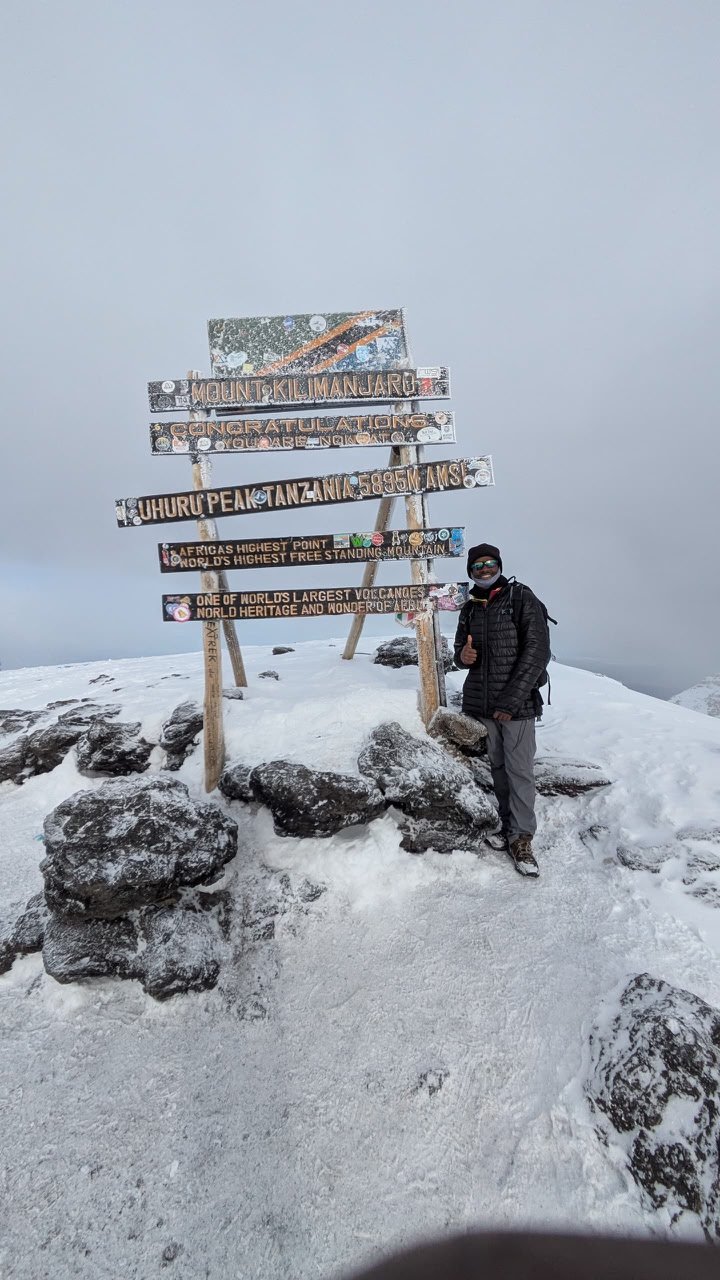
8 Days Lemosho Kilimanjaro Full Moon Group Trek – 18–25 December 2026-2027
An 8-day group trek on Kilimanjaro's scenic Lemosho Route timed for the December 2026 full moon period, with summit day on Christmas morning.
View package details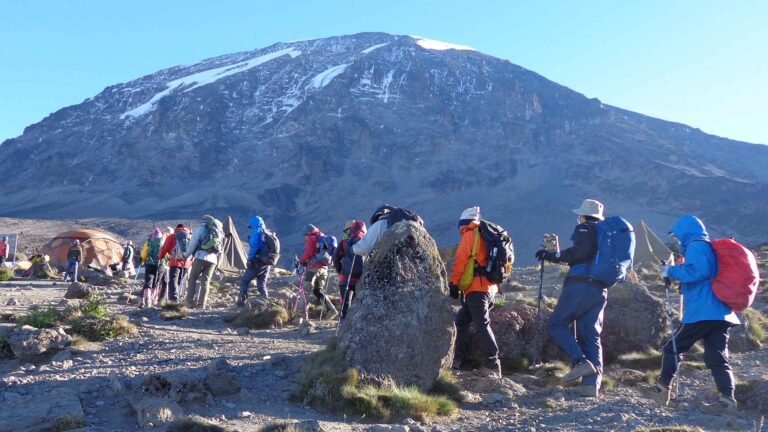
6 Days Machame Kilimanjaro New Year Trek – 28 December – 2 January 2026-2027
6 Days Machame Kilimanjaro New Year Trek – 28 December 2026 – 2 January 2027 is explained with current 2026-2027 planning, price, itinerary and booking.
View package details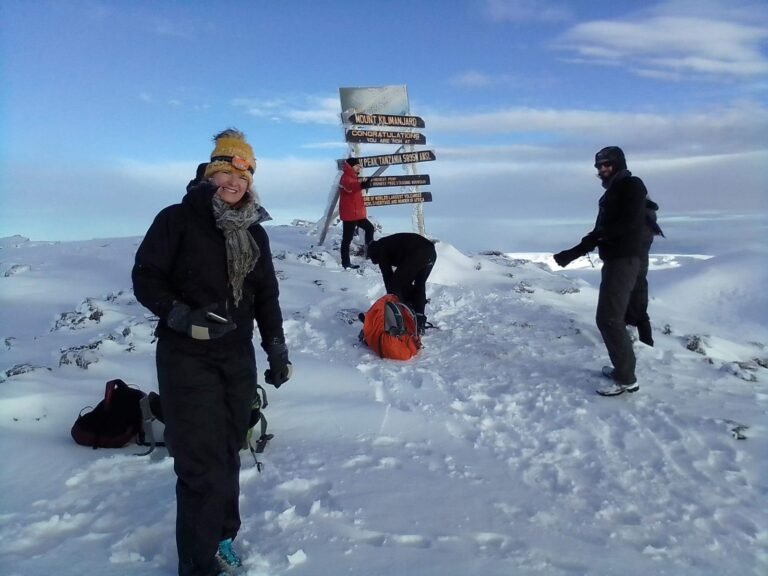
6 Days Machame Route Kilimanjaro Group Trek – 3–8 December 2026-2027
A detailed guide to the 6-day Machame Route Kilimanjaro group trek departing 3–8 December 2026, covering route details, daily itinerary, preparation, and booking.
View package details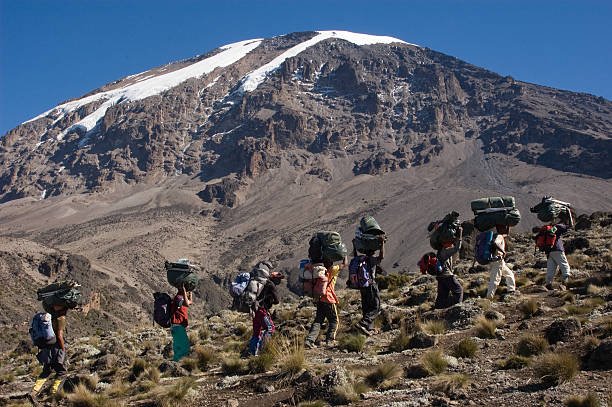
6 Days Marangu Kilimanjaro New Year Climb – 28 December – 2 January 2026-2027
6 Days Marangu Kilimanjaro New Year Climb – 28 December 2026 – 2 January 2027 is explained with current 2026-2027 planning, price, itinerary and booking.
View package details6 Days Marangu Kilimanjaro Group Hiking – 9–14 December 2026-2027
6 Days Marangu Kilimanjaro Group Hiking – 9–14 December 2026 is explained with current 2026-2027 planning, price, itinerary and booking information.
View package detailsNo closely related package is available yet for this topic.

Our Guest Reviews, Currently Feedback from Clients in 2026
Reviews from different sources, including Google Business, Tripadvisor, other platforms, and social media.