
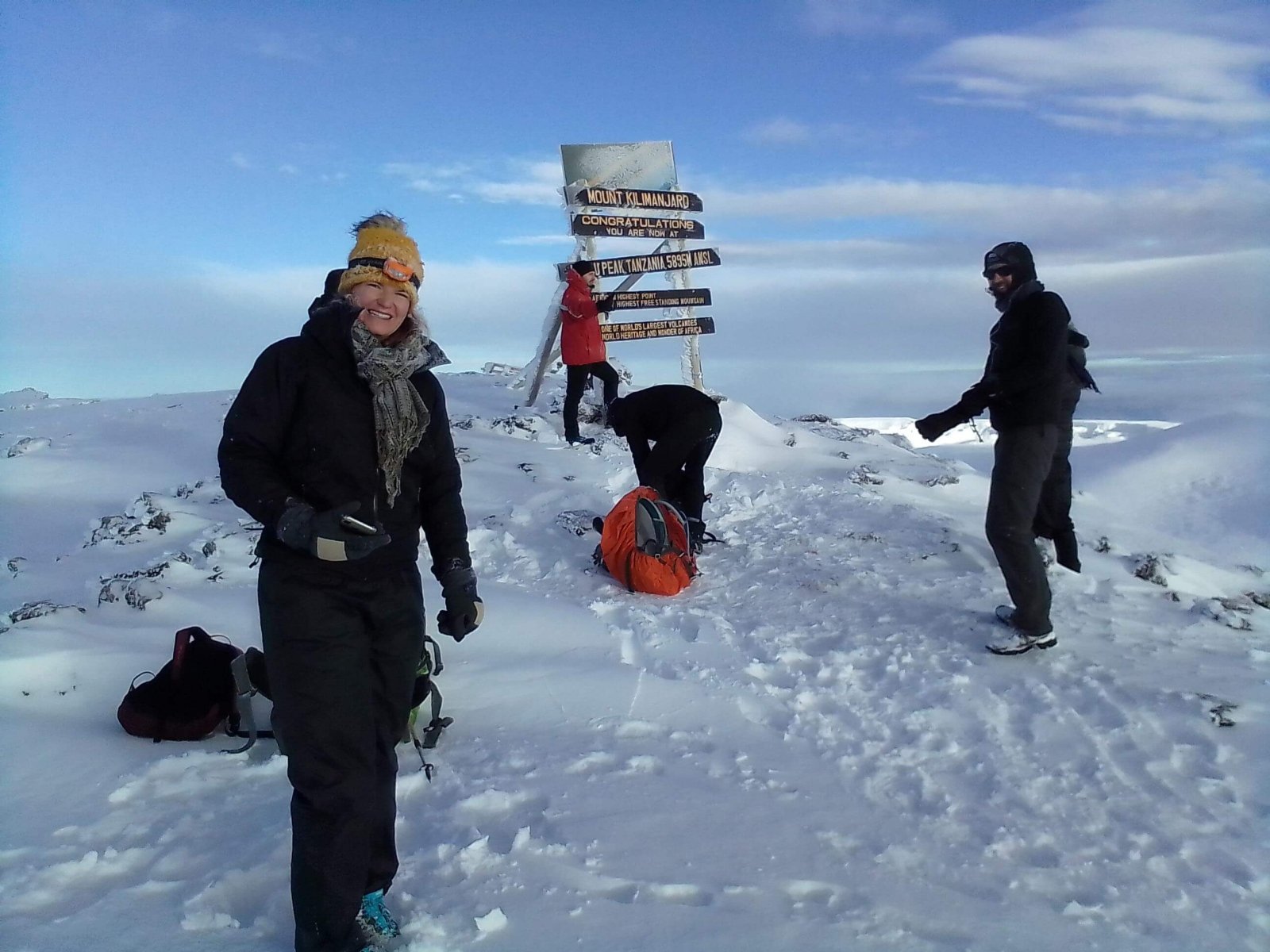
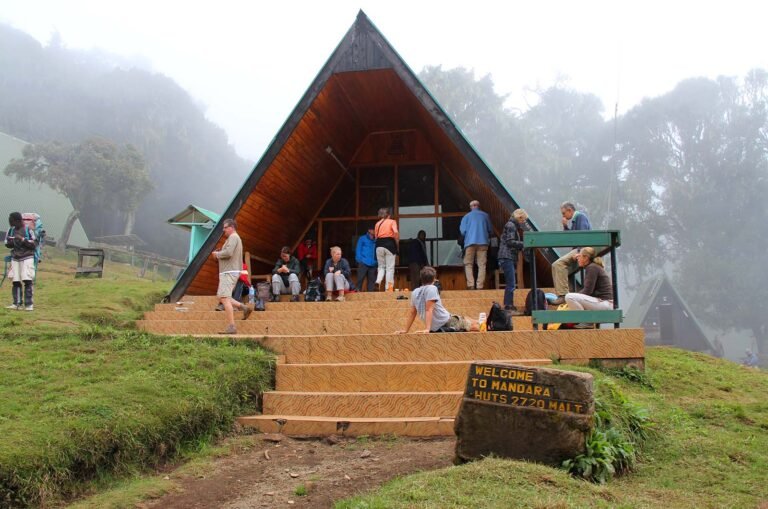
The 5 Days Marangu Kilimanjaro Climbing Package – 12–16 December 2026 is an intensive 5-day, 4-night high-altitude trek traversing Mount Kilimanjaro along its historic eastern trail, utilizing permanent wooden A-frame huts instead of tented camps. Starting at Marangu Gate (1,860 meters) and ascending through the rainforest, moorland, and alpine desert to Uhuru Peak (5,895 meters), this itinerary costs between $1,450 and $1,980 per person depending on group size, private versus shared departures, and pre-climb hotel configurations in Moshi. Because this 5-day package omits the extra acclimatization rest day at Horombo Hut, it suits aerobically conditioned climbers with prior altitude experience or those operating on tight holiday leave windows leading into the late December festive rush.
Package Pricing Logic and December 2026 Booking Realities
Planning for a trek departing on 12 December 2026 places you right at the threshold where early-season mountain solitude shifts into the bustling international holiday period. Unlike mid-January or late July peak dry periods, mid-December features a dynamic pricing and permit landscape. Understanding where your money goes allows you to distinguish between an underfunded, unsafe operation and an ethical, properly provisioned climb managed by local professionals.
Fixed statutory fees administered by the Tanzania National Parks Authority (TANAPA) consume more than half of the total package cost. On a 5-day Marangu itinerary, mandatory government charges include daily conservation fees, hut accommodation fees at Mandara, Horombo, and Kibo, rescue fees, and an 18% Value Added Tax (VAT). When assessing quotes for the 5 Days Marangu Kilimanjaro Climbing Package – 12–16 December 2026, transparent operators itemize these statutory fees alongside crew payroll, nutrition logistics, ground transport, and mountain safety equipment.
| Package Tier | Estimated Rate (USD) | Group Profile | Key Inclusions |
|---|---|---|---|
| Standard Shared Departure | $1,450 – $1,650 | 3–8 climbers joining | Shared hut rooms, licensed lead and assistant guides, park fees, cook, mountain porters, transfers from Moshi. |
| Private Custom Climb (2 Climbers) | $1,700 – $1,850 per person | Couples / trekking partners | Dedicated guide-to-client ratio (1:1 or 1:2), personalized pacing, private transfer, pre- and post-climb hotel nights. |
| Solo Private Expedition | $1,950 – $2,200 | Single climber | Exclusive mountain crew (guide, personal porter, cook, summit support), individual hotel room in Moshi, bespoke menu options. |
Trek costs fluctuate based on whether you opt for a shared group or private climb. While group-joining dates such as our 5 Days Marangu Route Kilimanjaro Group Climb – 8–12 December 2026 offer cost-sharing advantages on transport and base camp logistical support, a tailored departure on 12–16 December allows your party to dictate pace, take micro-breaks at will, and summit without the drag or pressure of stranger dynamics.
Beyond park fees, the core distinction between cut-rate outfits and professional operations lies in crew welfare and safety redundancy. TOP GUIDE ADVENTURES maintains strict adherence to fair wage thresholds, ensures porter luggage does not exceed 15 kg, and equips mountain crews with comprehensive medical gear including calibrated pulse oximeters, emergency hyperbaric systems or supplemental medical oxygen, and hypothermia-management blankets. Booking early in 2026 ensures your team secures hut allocations before Kibo Hut reaches structural capacity for late-year climbers.
Many hikers combine this climb with an itinerary extension. If you plan to travel onward into the northern safari circuit, scheduling a multi-day wildlife tracking trip directly after your descent on 16 December delivers exceptional value. For logistical frameworks on connecting mountain logistics with Ngorongoro and the Serengeti, review our detailed overview of the best Tanzania safari packages after climbing Mount Kilimanjaro 2026-2027.
The Five-Day Ascent Profile and Acclimatization Realities
The defining operational reality of the 5-day Marangu profile is its accelerated vertical gain. Climbing from Marangu Gate at 1,860 meters to Uhuru Peak at 5,895 meters over four calendar days requires your vascular and respiratory systems to adapt to a nearly 50% drop in effective oxygen partial pressure without the standard buffer day. Understanding this curve is critical before securing your slot for 12–16 December 2026.
On standard 6-day programs, such as our 6 Days Marangu Route Kilimanjaro Group Departure – 16–21 December 2026-2027, hikers spend two consecutive nights at Horombo Hut (3,720 meters), using the interlying day to complete an active acclimatization hike toward Zebra Rocks (4,020 meters) or Mawenzi Ridge. This extra 24 hours stimulates erythropoietin (EPO) production, expands resting lung tidal volume, and allows guides to assess physiological adaptation through repeated pulse oximeter readings.
The 5-Day Trade-Off: By skipping the second night at Horombo, you eliminate the safety cushion of an active rest day. On day three, you must hike directly from Horombo Hut (3,720m) across the arid Alpine Saddle to Kibo Hut (4,703m)—a grueling 10-kilometer march that gains nearly 1,000 meters of elevation—only to begin your summit push to 5,895 meters just seven hours after arriving at your bunks.
This itinerary is physically feasible, but it requires strict discipline. Who should book the 5-day option? It best serves:
- Trekkers who have spent time above 3,000 meters in the two weeks preceding arrival in Tanzania, such as those climbing Mount Meru or training in the Alps, Colorado Rockies, or Andes.
- Experienced trail runners and endurance athletes possessing exceptional cardiovascular base stamina, whose VO2 max facilitates rapid recovery between uphill sections.
- Hikers facing unbendable international airline departures or work commitments who must complete the climb and exit the park within a five-day boundary.
Conversely, if you have never slept above 3,500 meters or if your physical conditioning consists purely of flat road workouts, the 5-day schedule introduces an unnecessarily elevated risk of Acute Mountain Sickness (AMS). In those situations, we advocate switching to a 6-day Marangu profile or moving to camping routes with superior topographical climb-high, sleep-low profiles, such as the 6 Days Machame Kilimanjaro Group Joining – 12–17 December 2026-2027.
During our 5-day climbs, safety management begins the moment you lace your boots. Our guides conduct bi-daily diagnostic checks every morning after breakfast and every evening following dinner. We measure resting heart rate and arterial oxygen saturation (SpO2) using fingertip pulse oximeters, logging these metrics against the Lake Louise Scoring System for AMS. If early signs of altitude pathology arise—such as persistent unyielding headaches, ataxia, or abnormal peripheral fluid retention—the team intervenes before pulmonary or cerebral complications develop.
December Weather Patterns: Navigating the Seasonal Transition
Kilimanjaro’s equatorial positioning prevents traditional four-season winter patterns. Instead, trail conditions depend on trade winds, regional monsoon boundaries, and altitude-driven microclimates. Hiking between 12 and 16 December 2026 places you in the shoulder transition between the short rains (known locally as the Vuli, which run from late October into early December) and the warm, stable dry season running from mid-December through February.
What does this mean practically for your five days on the mountain? You should anticipate variable climatic bands across the four distinct ecological zones traversed by the Marangu trail:
Check Availability for 5 Days Marangu Kilimanjaro Climbing Package – 12–16 December 2026-2027
Ready to compare dates, prices, and the best option for your group? Send the package name and travel month so the team can reply with a clear quote, availability, and what is included.
6 Days Marangu Route Kilimanjaro Group Joining – 1–6 December 2026-2027
6 Days Marangu Route Kilimanjaro Group Joining – 1–6 December 2026 is explained with current 2026-2027 planning, price, itinerary and booking information.
View package details
6 Days Marangu Kilimanjaro Full Moon Climb – 20–25 December 2026-2027
6 Days Marangu Kilimanjaro Full Moon Climb – 20–25 December 2026 is explained with current 2026-2027 planning, price, itinerary and booking information.
View package details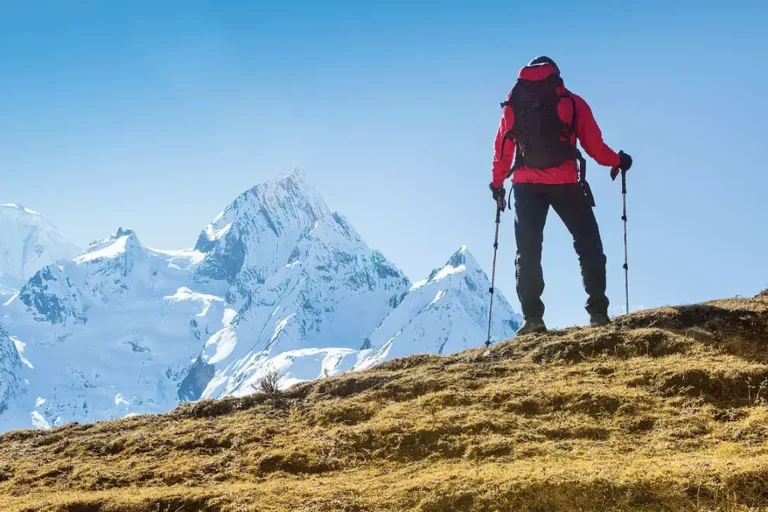
5 Days Marangu Kilimanjaro New Year Trek – 29 December – 2 January 2026-2027
5 Days Marangu Kilimanjaro New Year Trek – 29 December 2026 – 2 January 2027 is explained with current 2026-2027 planning, price, itinerary and booking.
View package details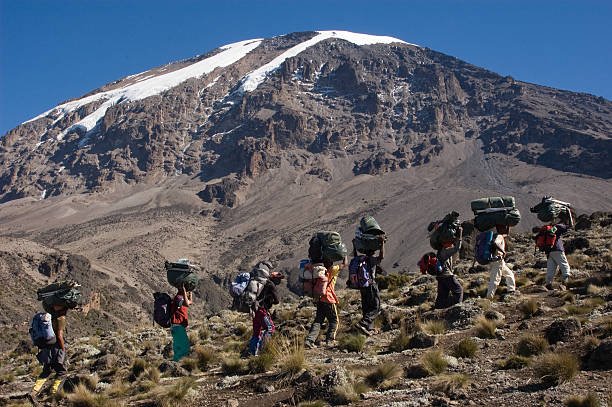
6 Days Marangu Kilimanjaro New Year Climb – 28 December – 2 January 2026-2027
6 Days Marangu Kilimanjaro New Year Climb – 28 December 2026 – 2 January 2027 is explained with current 2026-2027 planning, price, itinerary and booking.
View package details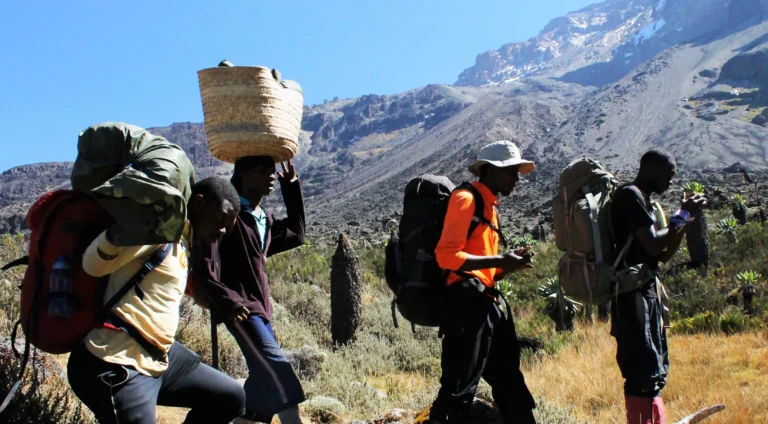
5 Days Marangu Kilimanjaro Christmas Trek – 22–26 December 2026-2027
5 Days Marangu Kilimanjaro Christmas Trek – 22–26 December 2026 is explained with current 2026-2027 planning, price, itinerary and booking information.
View package details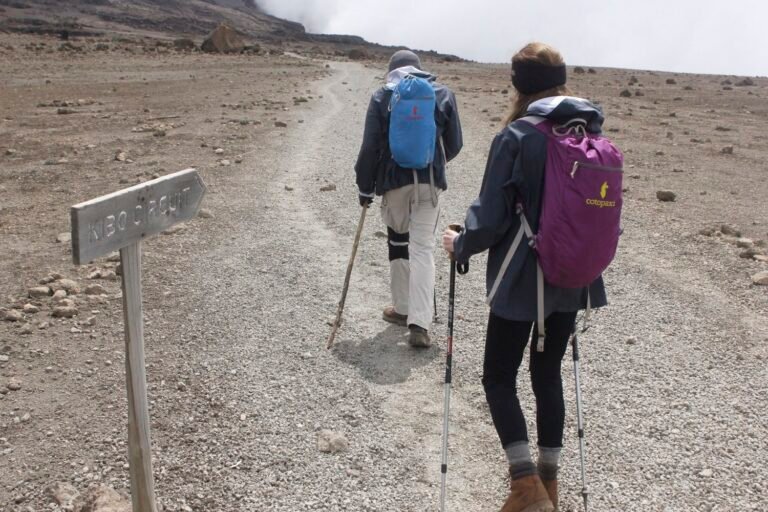
5 Days Marangu Kilimanjaro Full Moon Trek – 21–25 December 2026-2027
5 Days Marangu Kilimanjaro Full Moon Trek – 21–25 December 2026 is explained with current 2026-2027 planning, price, itinerary and booking information.
View package details
5 Days Marangu Kilimanjaro December Trek – 19–23 2026-2027
5 Days Marangu Kilimanjaro December Trek – 19–23 December 2026 is explained with current 2026-2027 planning, price, itinerary and booking information.
View package details
6 Days Marangu Route Kilimanjaro Group Departure – 16–21 December 2026-2027
6 Days Marangu Route Kilimanjaro Group Departure – 16–21 December 2026 is explained with current 2026-2027 planning, price, itinerary and booking information.
View package details6 Days Marangu Kilimanjaro Group Hiking – 9–14 December 2026-2027
6 Days Marangu Kilimanjaro Group Hiking – 9–14 December 2026 is explained with current 2026-2027 planning, price, itinerary and booking information.
View package details5 Days Marangu Route Kilimanjaro Group Climb – 8–12 December 2026-2027
5 Days Marangu Route Kilimanjaro Group Climb – 8–12 December 2026 is explained with current 2026-2027 planning, price, itinerary and booking information.
View package details
6 Days Marangu Kilimanjaro Hut Trekking – 6–11 December 2026-2027
6 Days Marangu Kilimanjaro Hut Trekking – 6–11 December 2026 is explained with current 2026-2027 planning, price, itinerary and booking information.
View package details
5 Days Marangu Route Kilimanjaro Trek – 2–6 December 2026-2027
5 Days Marangu Route Kilimanjaro Trek – 2–6 December 2026 is explained with current 2026-2027 planning, price, itinerary and booking information.
View package detailsNo closely related package is available yet for this topic.

Our Guest Reviews, Currently Feedback from Clients in 2026
Reviews from different sources, including Google Business, Tripadvisor, other platforms, and social media.