The 6 Days Marangu Kilimanjaro Hut Trekking – 6–11 December 2026 is a structured mountain itinerary that ascends Mount Kilimanjaro (5,895m) along its southeastern approach, replacing tent camping with permanent timber A-frame communal huts at Mandara, Horombo, and Kibo. Spanning 72 kilometers out and back, the six-day profile introduces an essential extra acclimatization day at Horombo Hut (3,720m) to explore Zebra Rocks or Mawenzi Ridge, elevating summit reach rates beyond 82% compared to the rushed five-day variation. Climbers operating during early December experience the tail-end transition of Tanzania’s short rains, making solid wooden shelter, communal dining halls, and established park infrastructure practical operational advantages.
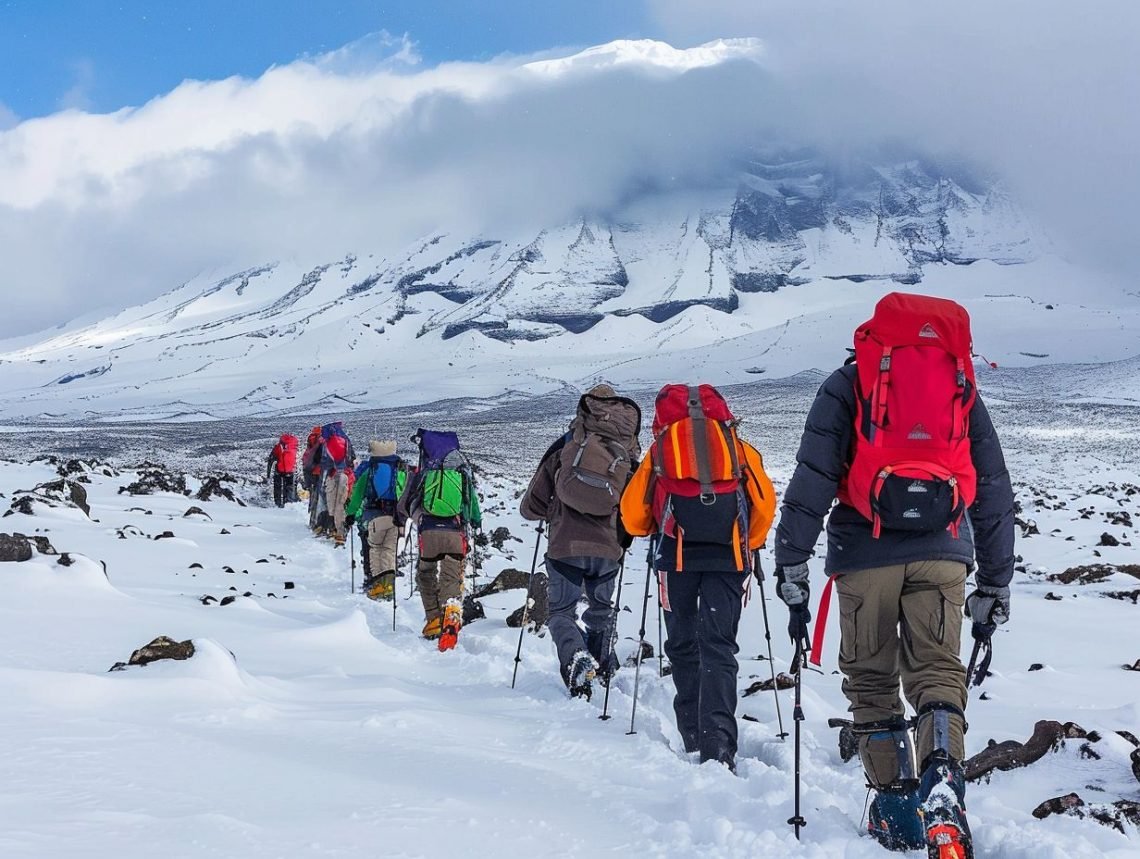
Strategic Anatomy of the 6-Day Marangu Hut Profile
The Marangu route carries a misleading historical label: the “Coca-Cola Route.” This moniker came from years past when bottled soft drinks were sold at park outposts, leading novice walkers to assume the trail was a casual mountain stroll. In reality, trekking up 4,000 vertical meters to the roof of Africa across 72 kilometers remains physically demanding. Choosing the 6 Days Marangu Kilimanjaro Hut Trekking – 6–11 December 2026 provides an operational cushion that distinguishes successful summit attempts from early descents driven by Acute Mountain Sickness (AMS).
Unlike the 7 Days Machame Kilimanjaro Trekking Tour – 4–10 December 2026-2027, which ascends via the southwest and descends through Mweka using outdoor canvas campsites, Marangu uses an identical path for both ascent and descent. You sleep in permanent wooden structures managed directly by the Tanzania National Parks Authority (TANAPA). These shelters eliminate the need for mess tents, mountain sleeping tents, and camp setup crews, leading to smaller logistics trains on the trail.
The central dilemma on Marangu has always centered on duration. While historical operators marketed a condensed version, documented directly in our breakdown of the 5 Days Marangu Route Kilimanjaro Trek – 2–6 December 2026-2027, attempting that five-day run cuts out the mid-altitude physiological adjustment window. Skipping an extra night at 3,720 meters forces an unacclimatized body to move straight from Horombo to Kibo Hut (4,703 meters) and directly into the midnight summit push. In that five-day scenario, statistical success hovers near 50%. Expanding the plan to six days inserts a vital day hike toward Mawenzi Ridge, letting your vascular system synthesize new red blood cells while you sleep low, wake high, and return to Horombo to recover.
Key Technical Parameters: 6-Day Marangu Track
- Total Trekking Distance: Approximately 72 km (44.7 miles) round-trip from Marangu Gate to Uhuru Peak.
- Ascent Profile: Marangu Gate (1,860m) to Uhuru Peak (5,895m) — a net vertical rise of 4,035 meters.
- Accommodation Structure: Communal A-frame chalets with foam mattresses, solar-powered lighting, and exterior wash facilities.
- Trail Mechanics: Single-track forest highway leading to open moorland ridges and wide alpine scree corridors.
- Acclimatization Buffer: Full rest/active day hike scheduled at Horombo Hut on Day 3.
- Medical Safeguards: Twice-daily pulse oximetry tracking, qualitative symptom evaluation, and bottled medical oxygen maintained by TOP GUIDE ADVENTURES guides.
Early December Microclimates: Navigating the Short Rains Transition
Trekking between 6–11 December 2026 positions your team right on the edge between Tanzania’s short rainy season (known locally as Vuli) and the dry, warm stretch of mid-December through February. Early December weather patterns are dynamic. The southern and eastern slopes of Kilimanjaro intercept moisture moving inland from the Indian Ocean, making precipitation more likely along the lower Marangu and Machame forest tracks than on northern paths like Rongai.
A typical day during early December begins with clear, crisp skies at daybreak, providing unhindered visibility of Kibo’s snowfields and Mawenzi’s jagged volcanic spires. By late morning, convective heating lifts warm, humid air up the slopes, generating dense cloud cover and afternoon rainfall across the montane rainforest and lower moorland. At elevations above Kibo Hut (4,703m), this moisture frequently drops as light snowfall or graupel rather than rain.
This distinct seasonal transition makes the Marangu route’s timber architecture particularly advantageous. If you encounter torrential downpours between Marangu Gate and Mandara Hut, or across the lower moorland approach to Horombo, your living space stays dry. Unlike campers on routes such as the 7 Days Lemosho Route Kilimanjaro Group Trek – 6–12 December 2026-2027, who must pitch tents on saturated turf and maintain damp vestibules, Marangu trekkers enter enclosed dining halls and dry bunkrooms to hang wet outer layers away from their sleeping bags.
Temperature swings across these dates require careful clothing layering. At Marangu Gate (1,860m), afternoon temperatures often hover between 20°C and 25°C with high humidity. By the time you reach Kibo Hut, daytime temperatures drop to between 2°C and 6°C, plummeting swiftly to between -7°C and -14°C on summit night near Stella Point and Uhuru Peak, magnified by wind chill across the open crater rim.
Cost Architecture, Park Levies, and Fair-Waged Porter Logistics
Kilimanjaro climb pricing is strictly grounded in regulatory fixed costs. Out of every dollar spent on a legitimate trek, a significant portion goes directly to statutory park fees set by TANAPA. These levies are non-negotiable and apply to every legal operator on the mountain.
For the 6 Days Marangu Kilimanjaro Hut Trekking – 6–11 December 2026, mandatory government fees include conservation fees per day, hut fees per night (which replace the public camping fees paid on tented routes), rescue fees, guide and porter entry charges, and 18% Value Added Tax (VAT). Hut infrastructure levies are higher than wilderness camping permits, meaning Marangu carries a slightly higher baseline park cost per day than unserviced trails, offset by reduced camp equipment transport requirements.
Estimated Investment Framework: 6-Day Marangu Hut Climb (2026–2027)
Depending on party size, single room hotel options in Moshi, and personalized support choices, a standard, fully supported 6-day Marangu trek typically sits within the following market ranges:
- Solo Climber (Private Operation): $2,350 to $2,750 per person
- 2 to 4 Climbers (Private Group): $1,980 to $2,300 per person
- 5 to 8 Climbers (Small Group): $1,800 to $2,050 per person
- Scheduled Group Join Departures: $1,750 to $1,950 per person
Note: Extreme budget operators quoting below $1,600 for a 6-day itinerary often cut corners on staff rations, guide-to-client safety ratios, pulse oximetry monitoring, or fair porter compensation.
Trek cost includes more than park permits; it also accounts for your field support ecosystem. On Marangu, each climber is assigned two dedicated porters, working under weight limitations enforced by TANAPA scales at every gate (maximum 20kg per porter bag, with 15kg reserved for your waterproof personal duffel and 5kg for company equipment). A two-person climbing party is supported by one lead guide, an assistant guide, a mountain cook, and four to six porters. This team moves ahead daily to secure communal hut allocations, prepare hot wash water, and manage hot carbohydrate-rich meals in the shared kitchen stations.
| Cost Category | What It Covers | Operational Significance |
|---|---|---|
| TANAPA Park Fees | Conservation, hut accommodation, rescue, crew entry, local government taxes (18% VAT). | Fixed legal costs paid directly to the wildlife authority to secure route access and mountain emergency rescue support. |
| Safety Equipment & Diagnostics | Continuous medical oxygen cylinders, fingertip pulse oximeters, specialized high-altitude first aid kits. | Vital for daily morning and evening Lake Louise AMS score evaluations; oxygen is reserved for emergency descent management. |
| Mountain Staff Compensation | Licensed Wilderness First Responder lead guides, certified cooks, and porters. | Complies with the fair wage, food ration, and shelter guidelines advocated by the Kilimanjaro Porters Assistance Project (KPAP). |
| Pre/Post Trek Logistics | Airport collections from JRO, transfers to Marangu Gate, hotel nights in Moshi. | Prevents transit delays and allows a comprehensive in-person gear inspection 24 hours before your trek begins. |
Life in the Huts: Mandara, Horombo, and Kibo Shelters
Accommodation dynamics on the Marangu route differ fundamentally from any other trail on Mount Kilimanjaro. You will not carry, pitch, or sleep in canvas tents. Understanding the spatial realities and communal etiquette of the hut system ensures smooth expectations during your trek.
Mandara Huts (2,700m)
Set within the upper edges of the montane rainforest, Mandara consists of several steep-pitched, green-roofed timber cabins. Each small sleeping cabin houses four to eight trekkers on firm, sponge-foam mattresses arranged across two tiers of bunks. A spacious central dining hall hosts all meals. Piped water from mountain streams serves exterior hand-washing basins, and basic flush toilets are located in separate outbuildings, though travelers should always carry their own toilet tissue and hand sanitizer. Solar panels power low-voltage LED lights in the bunkrooms, but wall sockets are unavailable; portable power banks remain essential.
Horombo Huts (3,720m)
Horombo is the largest mountain settlement on Kilimanjaro, functioning as a lively transit hub. Because climbers sleep here on Day 2, spend Day 3 here for acclimatization, and return for Day 5 on their way down, it accommodates roughly double the population of Mandara. Sleeping quarters vary from four-person A-frame huts to larger multi-bed dormitories. Situated near the lower moorland zone, nights at Horombo turn crisp, frequently falling below freezing (0°C to -3°C). The huts provide wind and rain protection, but they are unheated. Insulation depends entirely on the thermal performance of your four-season sleeping bag (rated to at least -10°C) paired with warm base layers.
Kibo Hut (4,703m)
Constructed of thick stone masonry and timber, Kibo Hut rests in an alpine desert saddle between the peaks of Kibo and Mawenzi. The environment here is spartan, windy, and dry. Dormitories feature open bunk spaces that house between 10 and 20 climbers in close quarters. Because the summit assault kicks off at midnight, Kibo Hut turns quiet by mid-afternoon as climbers rest and hydrate before their overnight ascent. Due to freezing conditions and limited local water sources, running water stops here; your porter team hauls water by hand from the last stream above Horombo. Basic dry-toilet drop blocks are positioned just outside the stone building.
Hut Protocol: Shared Sleeping Etiquette
Because hut berths cannot be reserved for individual exclusive use by private parties, you share sleeping quarters with fellow international climbers. To maintain a functional, comfortable environment: bring a reliable headlamp with a red-light mode to avoid disturbing sleeping bunkmates during midnight departures; pack high-density silicone earplugs to block out wind rattling and respiratory noise; keep your personal gear neatly packed inside your 90L to 120L water-resistant duffel; and leave trekking boots in the entry vestibules to keep mud and volcanic grit off the bunk room floors.
Trail Progression: Days 1 through 3 Detailed Breakdown
Day 1: Marangu Gate (1,860m) to Mandara Hut (2,700m)
Your expedition begins on the morning of 6 December with a 45-minute drive from Moshi through Chagga villages and hillside coffee farms to Marangu Gate. Here, your lead guide processes park registration, while TANAPA rangers weigh every porter’s load on official counterbalances. Once the documentation is cleared, you cross through the wooden gateway directly into the montane rainforest.
The path on Day 1 is wide, well-graded, and shaded beneath tall camphorwoods, wild fig trees, and dense curtains of moss and hanging ferns. Because the trail runs close to deep river gorges, humidity is high, and early December showers can make root crossings slick. Your guide sets an intentionally measured, slow pace—known everywhere on Kilimanjaro as pole pole—keeping your heart rate low and steady.
Birdlife is abundant along this stretch, including emerald cuckoos and silvery-cheeked hornbills, with blue monkeys and black-and-white colobus monkeys often feeding in the canopy above. The trail climbs steadily, gaining 840 vertical meters over 8 kilometers (about 4 to 5 walking hours). Arriving at Mandara Hut in the mid-afternoon, you settle into your allocated cabin, change out of damp walking layers, and meet in the dining hall for hot tea, biscuits, and a safety briefing covering morning heart rate and oxygen saturation checks.
Day 2: Mandara Hut (2,700m) to Horombo Hut (3,720m)
After a 6:30 AM wake-up call, hot washing water, and a warm breakfast of porridge, eggs, and fruit, you leave Mandara Hut. Within thirty minutes of walking, the tall forest canopy drops away, giving way to the heather and moorland zone. The horizon opens up dramatically, revealing the snow-capped dome of Kibo ahead and the dark, fractured towers of Mawenzi to the east.
This is a longer leg: roughly 12 kilometers with a 1,020-meter elevation gain, taking between 5 and 7 hours. The terrain transitions from rich humus to red volcanic soils, low heather, and giant lobelias standing along the hillsides. As you climb past 3,000 meters, atmospheric pressure drops, making it critical to drink at least three liters of fluid throughout the day to support blood volume.
By early afternoon, you approach the Horombo Hut plateau. Sitting on an open ridge, this camp is frequently exposed to alpine winds. Your team settles into their bunks while the kitchen crew prepares a warm, calorie-dense dinner—such as vegetable soup followed by rice, potatoes, and fresh meat or legumes. After dinner, your guides run your evening pulse oximetry check and review signs of mild altitude stress, including tension headaches, sleep disruptions, or mild appetite loss.
Day 3: Acclimatization Hike to Zebra Rocks / Mawenzi Ridge (3,980m–4,100m)
Day 3 separates the successful 6-day profile from the rushed 5-day route. Instead of pushing directly to the high alpine desert at Kibo Hut, you spend a second night at Horombo (3,720m), dedicating the morning to an acclimatization hike that embodies the golden high-altitude mountaineering rule: climb high, sleep low.
Check Availability for 6 Days Marangu Kilimanjaro Hut Trekking – 6–11 December 2026-2027
Ready to compare dates, prices, and the best option for your group? Send the package name and travel month so the team can reply with a clear quote, availability, and what is included.
6 Days Marangu Kilimanjaro Full Moon Climb – 20–25 December 2026-2027
6 Days Marangu Kilimanjaro Full Moon Climb – 20–25 December 2026 is explained with current 2026-2027 planning, price, itinerary and booking information.
View package details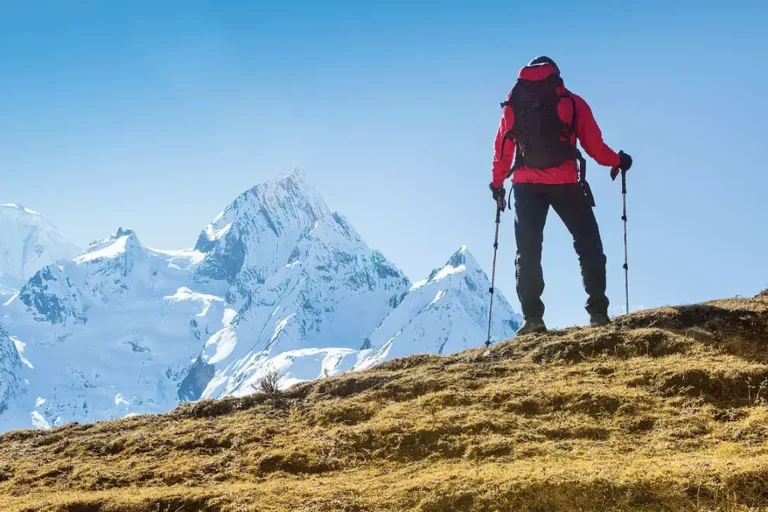
5 Days Marangu Kilimanjaro New Year Trek – 29 December – 2 January 2026-2027
5 Days Marangu Kilimanjaro New Year Trek – 29 December 2026 – 2 January 2027 is explained with current 2026-2027 planning, price, itinerary and booking.
View package details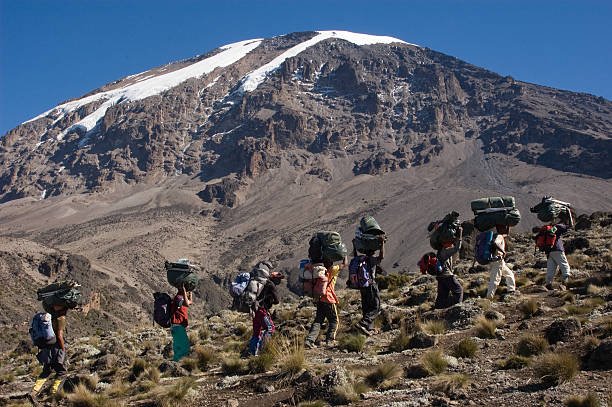
6 Days Marangu Kilimanjaro New Year Climb – 28 December – 2 January 2026-2027
6 Days Marangu Kilimanjaro New Year Climb – 28 December 2026 – 2 January 2027 is explained with current 2026-2027 planning, price, itinerary and booking.
View package details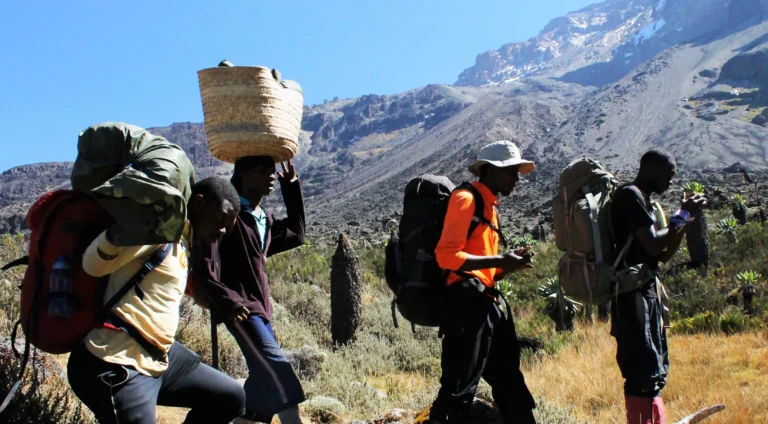
5 Days Marangu Kilimanjaro Christmas Trek – 22–26 December 2026-2027
5 Days Marangu Kilimanjaro Christmas Trek – 22–26 December 2026 is explained with current 2026-2027 planning, price, itinerary and booking information.
View package details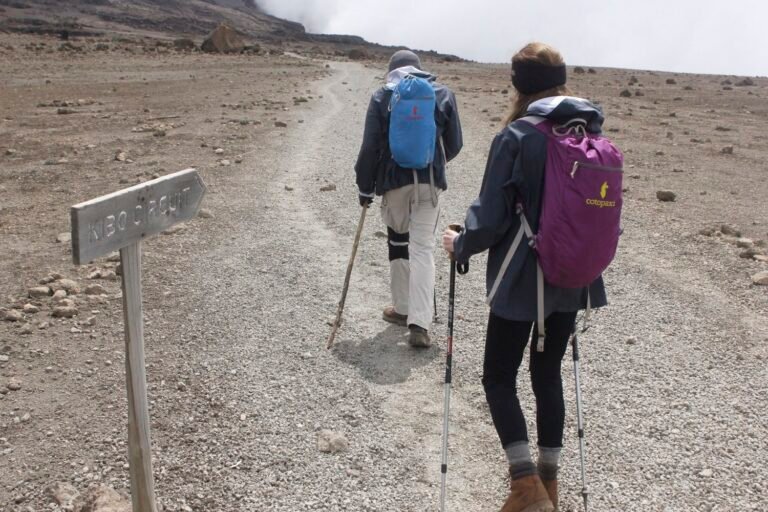
5 Days Marangu Kilimanjaro Full Moon Trek – 21–25 December 2026-2027
5 Days Marangu Kilimanjaro Full Moon Trek – 21–25 December 2026 is explained with current 2026-2027 planning, price, itinerary and booking information.
View package details
5 Days Marangu Kilimanjaro December Trek – 19–23 2026-2027
5 Days Marangu Kilimanjaro December Trek – 19–23 December 2026 is explained with current 2026-2027 planning, price, itinerary and booking information.
View package details6 Days Marangu Kilimanjaro Group Hiking – 9–14 December 2026-2027
6 Days Marangu Kilimanjaro Group Hiking – 9–14 December 2026 is explained with current 2026-2027 planning, price, itinerary and booking information.
View package details5 Days Marangu Route Kilimanjaro Group Climb – 8–12 December 2026-2027
5 Days Marangu Route Kilimanjaro Group Climb – 8–12 December 2026 is explained with current 2026-2027 planning, price, itinerary and booking information.
View package details
5 Days Marangu Route Kilimanjaro Trek – 2–6 December 2026-2027
5 Days Marangu Route Kilimanjaro Trek – 2–6 December 2026 is explained with current 2026-2027 planning, price, itinerary and booking information.
View package details
6 Days Machame Kilimanjaro New Year Trek – 28 December – 2 January 2026-2027
6 Days Machame Kilimanjaro New Year Trek – 28 December 2026 – 2 January 2027 is explained with current 2026-2027 planning, price, itinerary and booking.
View package details
6 Days Machame Route Kilimanjaro Group Trek – 3–8 December 2026-2027
A detailed guide to the 6-day Machame Route Kilimanjaro group trek departing 3–8 December 2026, covering route details, daily itinerary, preparation, and booking.
View package details6 Days Machame Kilimanjaro Full Moon Climb – 20–25 December 2026-2027
6 Days Machame Kilimanjaro Full Moon Climb – 20–25 December 2026 is explained with current 2026-2027 planning, price, itinerary and booking information.
View package detailsNo closely related package is available yet for this topic.

Our Guest Reviews, Currently Feedback from Clients in 2026
Reviews from different sources, including Google Business, Tripadvisor, other platforms, and social media.